How Can You Tell a High-Quality Sapphire?
Sapphires have long been prized for their deep, rich color and durability. Their value is determined by a few key factors: color, clarity, cut, and carat weight. How to tell if it’s a high-quality sapphire? Let’s break down what to look for when choosing the best sapphire.
1. Color: The Most Important Factor
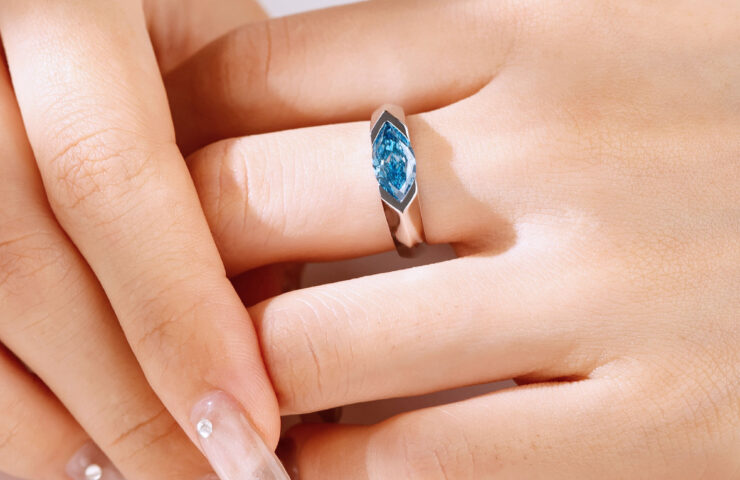
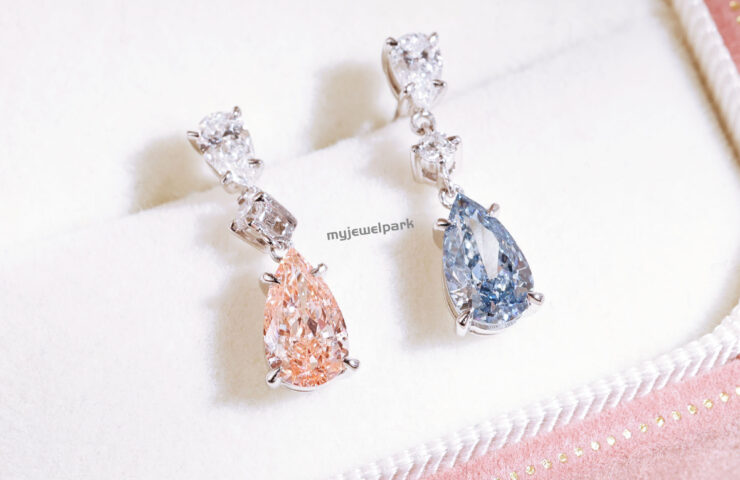
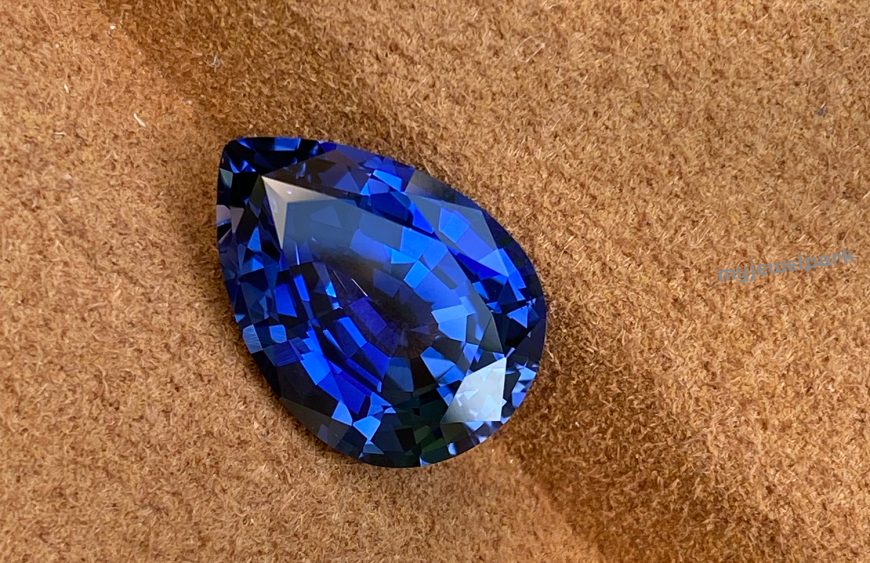
A sapphire’s color is the biggest indicator of quality. The best sapphires exhibit a vivid, intense blue—not too dark, not too light. A high-quality sapphire should have an even color throughout, without noticeable zoning (areas of different shades). The most sought-after shades include:
Royal Blue: A deep, rich blue with strong saturation.
Cornflower Blue: A slightly lighter but still intense blue, often seen in premium sapphires.
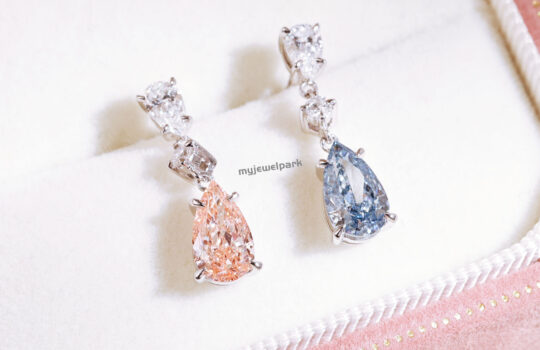
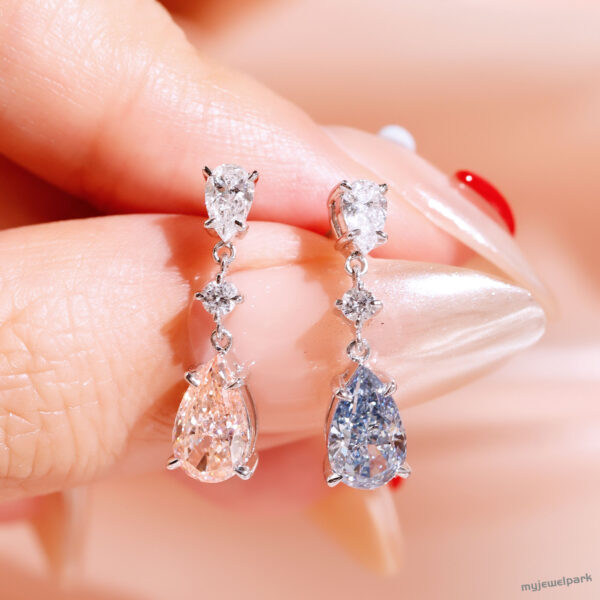
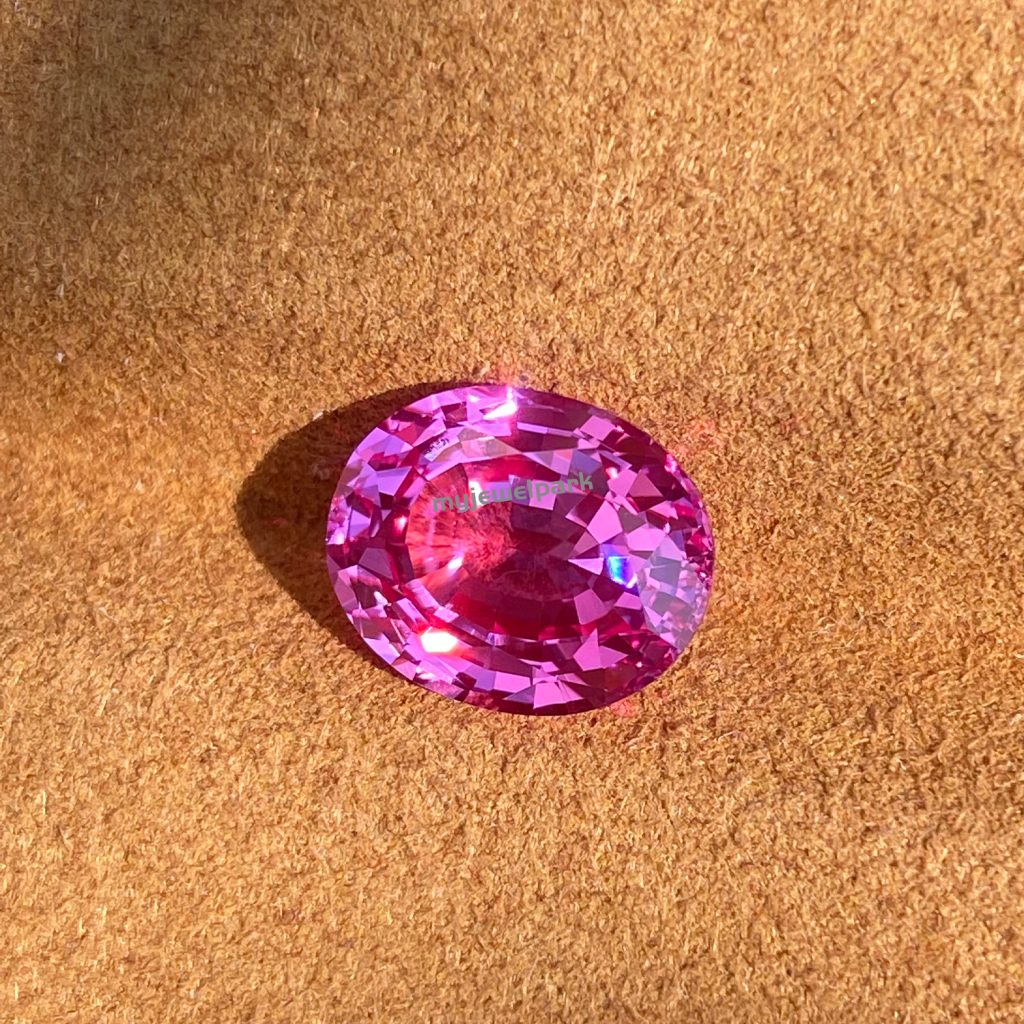
Padparadscha: A rare pink-orange sapphire highly valued for its unique color.
Lab-grown sapphires can achieve the same rich blue hues as natural ones because they are grown under controlled conditions. Some manufacturers even replicate the growth lines and trace inclusions found in natural sapphires, making them nearly indistinguishable from mined stones.
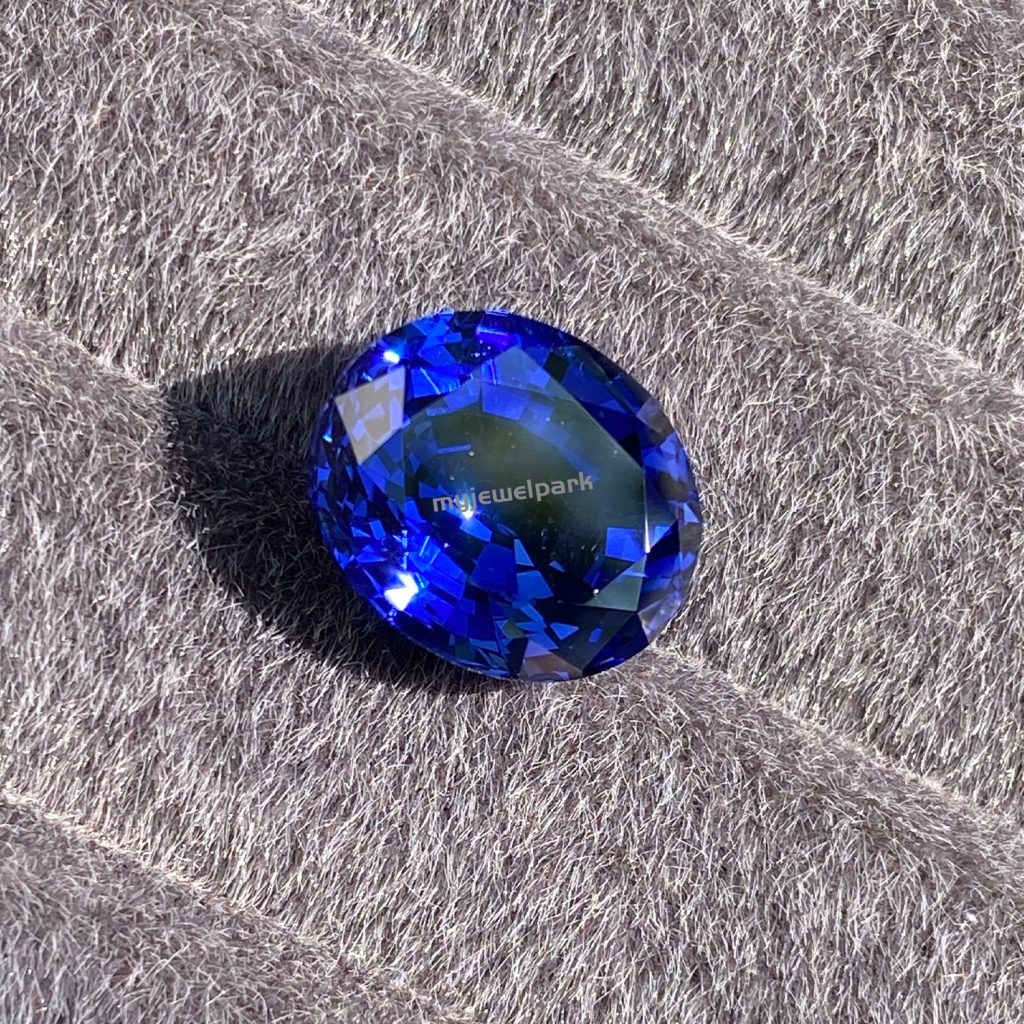
Reddit Insight: A user in r/Gemstones shared, “I bought a lab-grown sapphire, and the color is flawless. No zoning, no dull spots—just pure, vivid blue. It looks exactly like a high-end natural sapphire.”
2. Clarity: How Clear Should a Sapphire Be?
Unlike diamonds, sapphires almost always have inclusions. A completely flawless sapphire is extremely rare and often a sign of a synthetic or heavily treated stone. However, inclusions shouldn’t be so noticeable that they affect the beauty of the gem.
Lab-grown sapphires often have fewer inclusions because they are created in a controlled environment. Some manufacturers have even managed to replicate natural inclusions, giving lab sapphires an authentic look while maintaining superior clarity.
Quora Insight: One user commented, “I had a jeweler examine my lab-grown sapphire, and they said they couldn’t tell it apart from a mined stone without specialized equipment. That’s how good the clarity was!”
3. Cut: Maximizing Sparkle
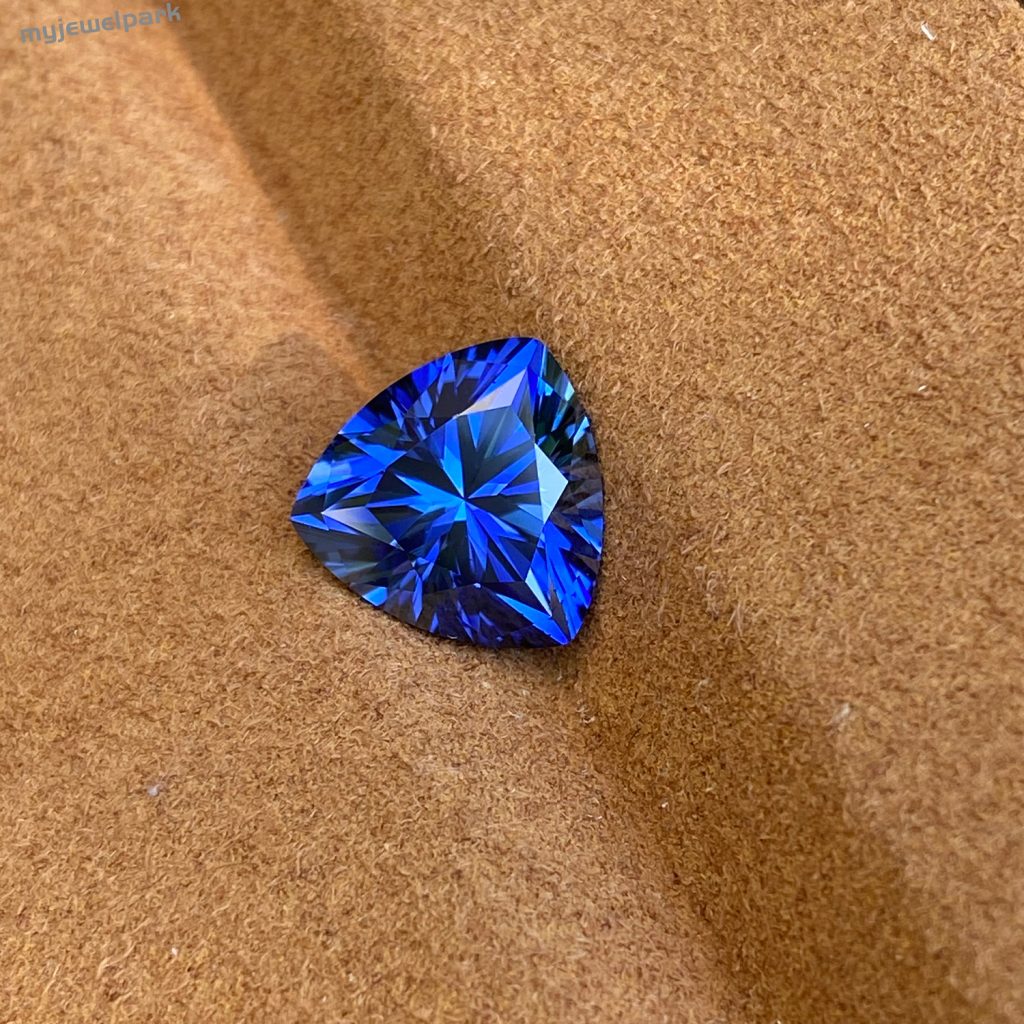
A high-quality sapphire should have a well-proportioned cut that enhances its brilliance. Unlike diamonds, which rely on precise faceting for sparkle, sapphires reflect light differently. The cut should maximize the depth of color while maintaining good symmetry.
Common sapphire cuts include:
Oval and Cushion Cuts: Popular for engagement rings.
Round and Princess Cuts: Offer a more traditional look.
Emerald Cut: Highlights the depth of color with fewer facets.
A poor cut can make a sapphire look lifeless. This is where lab-grown sapphires often excel—they are cut with precision to ensure optimal brilliance and color saturation.
4. Carat Weight vs. Quality
A larger sapphire isn’t always better. Many high-quality sapphires are smaller but have better color and clarity. If a sapphire is too dark, large, or poorly cut, it may not be as valuable as a smaller, well-cut stone with excellent color.
Lab-grown sapphires allow buyers to get larger, high-quality stones for a fraction of the price of natural sapphires, making them an attractive option for those who want size without compromising on color or clarity.
Lab-Grown Sapphires Hold Their Own
When judging a high-quality sapphire, remember:
Vivid, even color is key.
Some inclusions are normal, but they shouldn’t affect beauty.
A well-cut stone enhances brilliance.
Size matters, but not at the expense of quality.
Lab-grown sapphires now match or even surpass natural sapphires in color, clarity, and affordability, making them a top choice for ethical and budget-conscious buyers.
About Us
China Luster is one of the largest lab-grown gemstone and gold and silver jewelry manufacturers in Wuzhou. Integrating design, production and sales since 1997, exporting to all over the world. Focusing on hand-cutting and grinding, with more than 27 years of manufacturing experience. We sell high-quality lab-grown gemstones and diamonds. Customized and inlaid by masters with more than 20 years of experience in fine cutting of natural gemstones. They are relatively cheaper than natural ones, and their physical and chemical properties are exactly the same as natural ones, except that natural ones lack a little historical value. All products are discounted during the promotion period 👉