How to Identify a Synthetic Emerald: Tips for Buyers
Emeralds are known for their vibrant green color and complex internal patterns. But with synthetic emeralds now nearly indistinguishable from natural stones to the untrained eye, many buyers want to know how to tell the difference. What should you look for, and when does lab-grown mean better rather than fake?
Both natural and lab-grown emeralds are made of beryl. Their physical and optical properties are nearly identical. The biggest difference lies in their formation. Natural emeralds grow over millions of years under shifting geological conditions. People create synthetic emeralds in a matter of weeks using hydrothermal technology that mimics nature inside sealed laboratory chambers.
Identifying a lab grown emerald often requires magnification and expertise. A 2024 update from the International Gemological Institute (IGI) emphasized that modern cultivated emeralds now exhibit zoning, veils, and inclusions consistent with natural growth. In many cases, only spectroscopy can determine origin. For everyday buyers, this makes appearance-based identification nearly impossible.
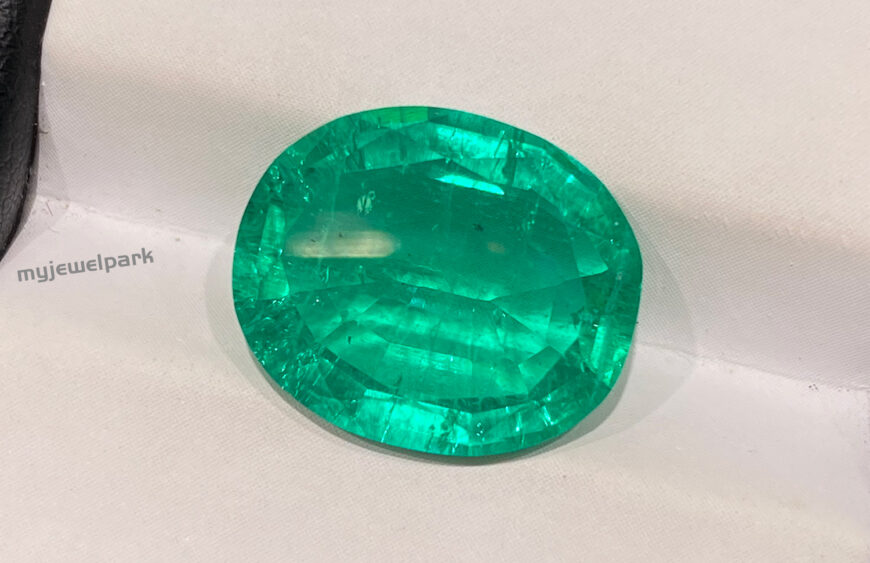
Still, there are subtle cues. Synthetic emeralds often show curved growth lines under magnification, while natural ones tend to form more angular inclusions. Lab stones may also appear slightly cleaner, with fewer surface-reaching fractures.
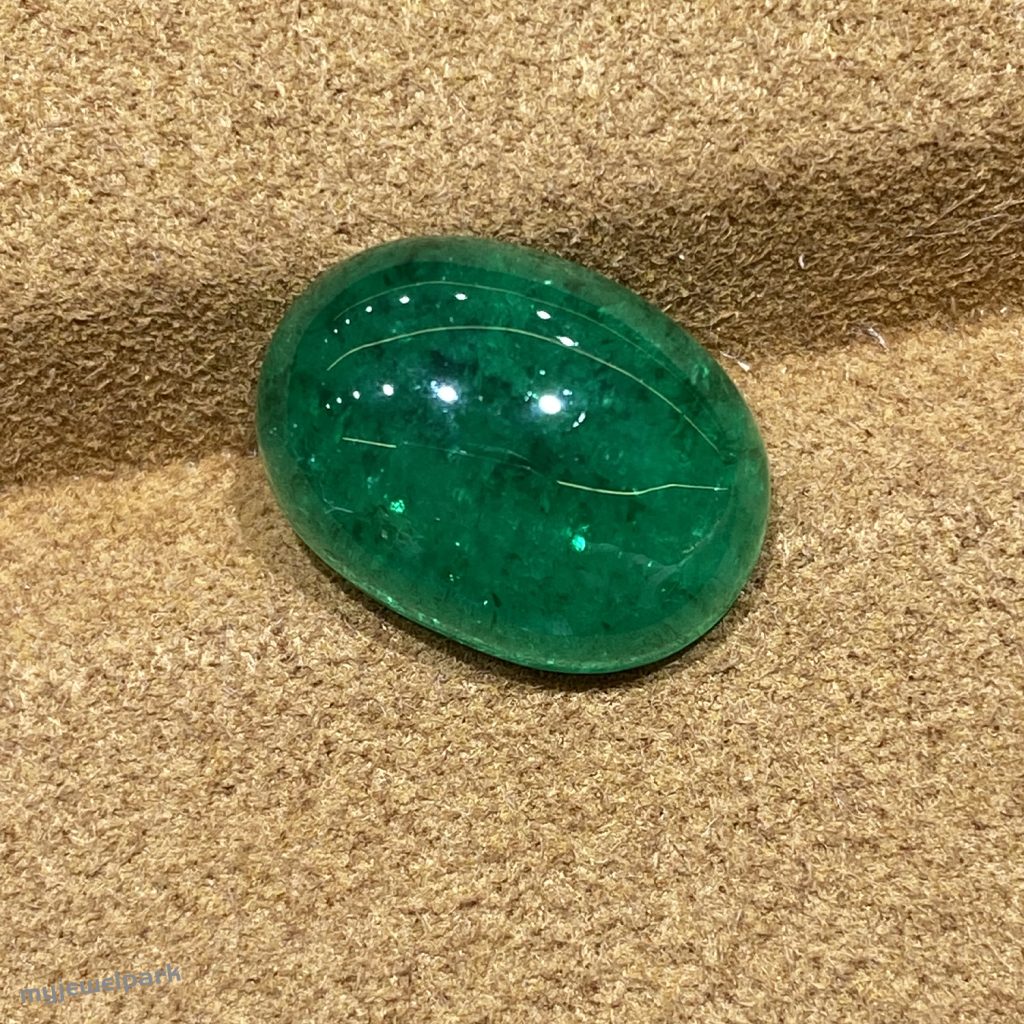
On forums like Reddit’s r/jewelry and r/EngagementRings, buyers regularly share mixed experiences. One thread titled “Is My Emerald Fake or Lab?” generated hundreds of comments. A top post read, “Mine came certified as lab-grown. Honestly, it looks more like a natural emerald than the ‘real’ ones I saw at retail.”
The reason lies in how modern hydrothermal emeralds are made
Today’s cultivated stones are designed with purpose. Through slow cooling cycles and the introduction of mineral traces, hydrothermal labs grow emeralds that include naturally styled inclusions. Wisps, internal gardens, and a soft milky body are encouraged during the growth process. Brands such as Chatham use patented opacifying agents to achieve optical depth that mirrors premium Colombian material.
These aren’t flaws. They’re features
A 2025 report from the Gem Ethics and Sustainability Survey found that 64 percent of European and American buyers preferred untreated stones, associating them with ethical sourcing and long-term clarity. Cultivated emeralds meet those standards without the need for oil or resin fillers.
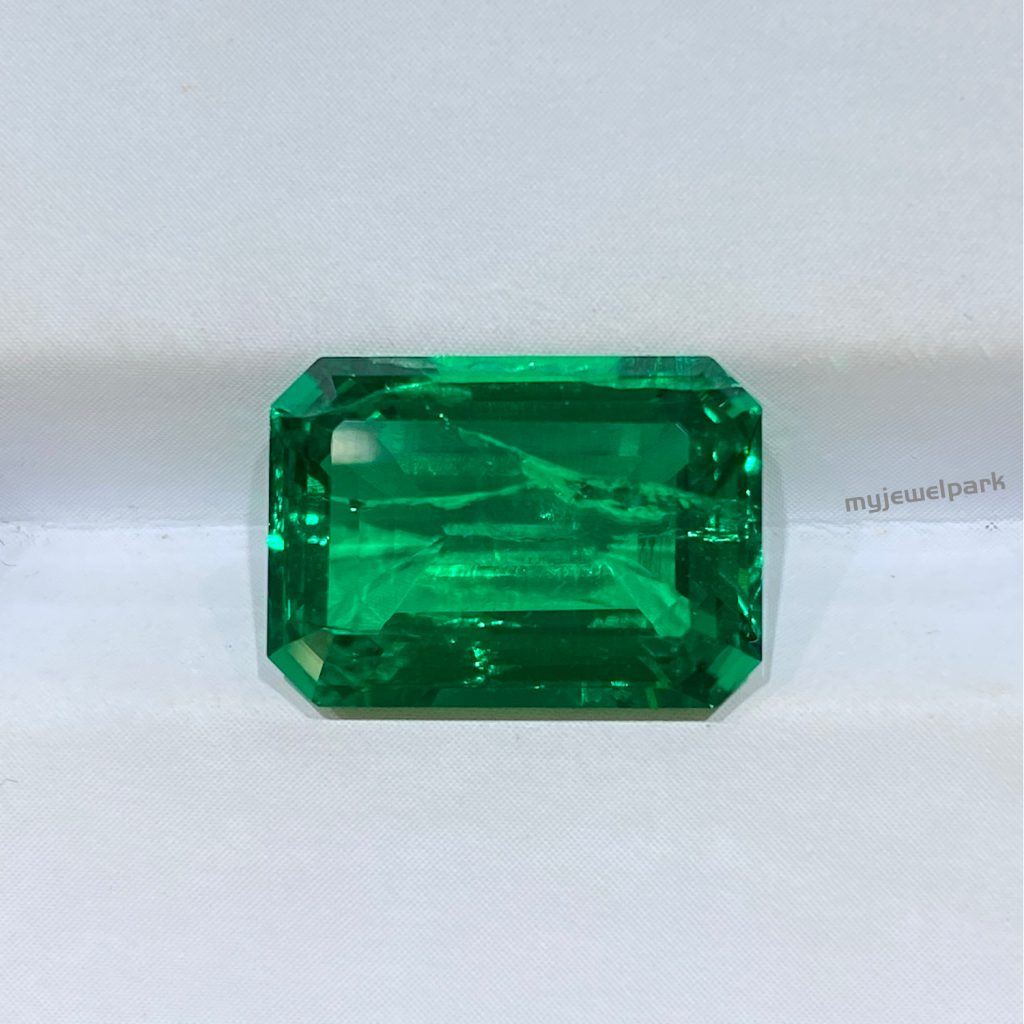
Transparency, consistency, and traceability are becoming new markers of quality. A lab-grown emerald with real visual complexity and documented origin often carries more consumer trust than a natural stone altered post-extraction.
Survey: Which gemstone would you choose as a long-lasting gem?
A conventionally mined emerald treated with oil or a lab-grown emerald with untreated hydrothermal inclusions?