Emeralds are loved for their deep green color and unique charm. With the advancement of technology, lab-grown emeralds have gradually entered the market, and it is particularly important to identify Created Emeralds.
1. Observe color and transparency
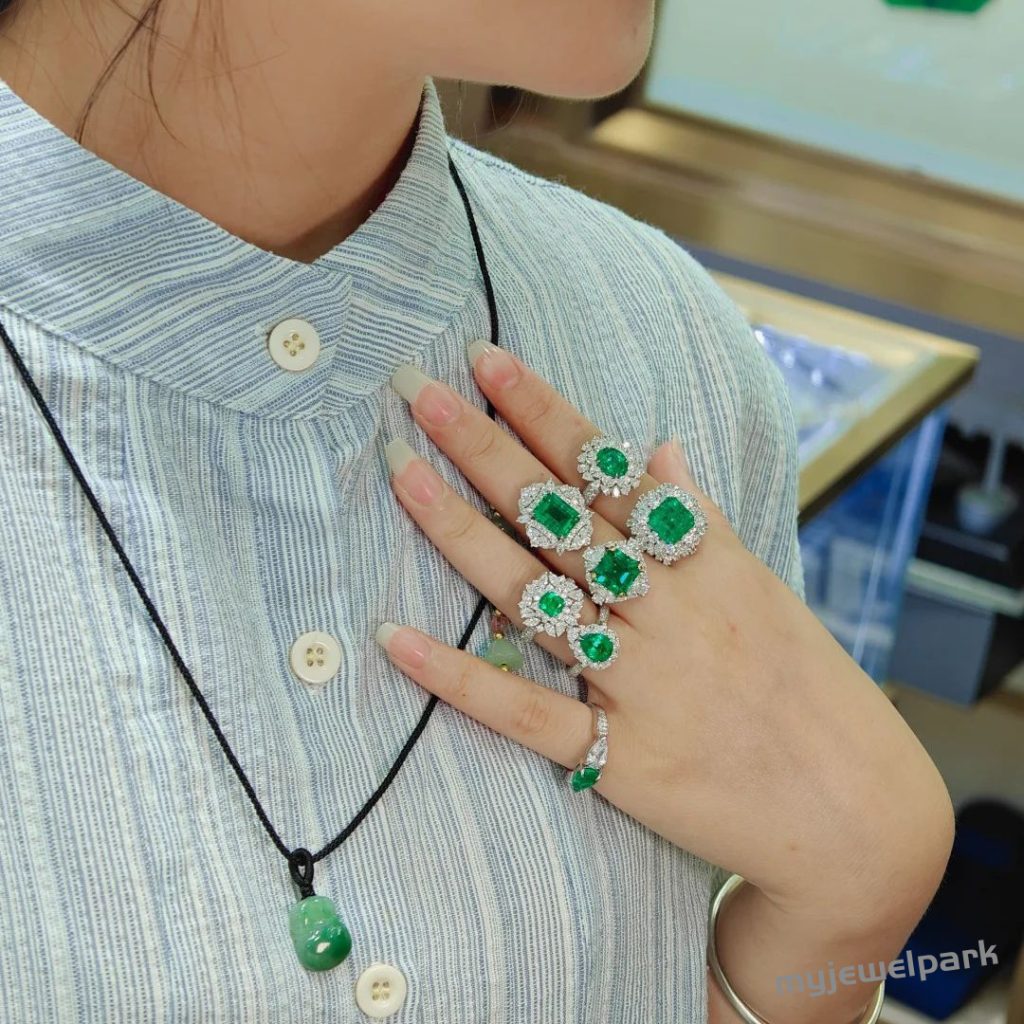
Lab-grown emeralds are usually more uniform in color and transparency. Naturally formed emeralds often have uneven color distribution, changes in depth, and tiny inclusions. Therefore, when observing, if you find that the color of the gemstone is too consistent and completely transparent, it may be artificial.
2. Check for inclusions

Natural emeralds often contain unique inclusions, such as bubbles, cracks, and mineral inclusions. These inclusions form the “life mark” of the gemstone. Observe through a 10x magnifying glass. If you see natural features, not perfect inclusions, it means that the gemstone may be natural. Lab-grown emeralds may lack these features or show too perfect inclusions.
3. Evaluate the price
Lab-grown emeralds are usually much cheaper than natural ones. If the price is too low, especially when the market price is generally high, be careful to judge its authenticity.
4. Request professional appraisal
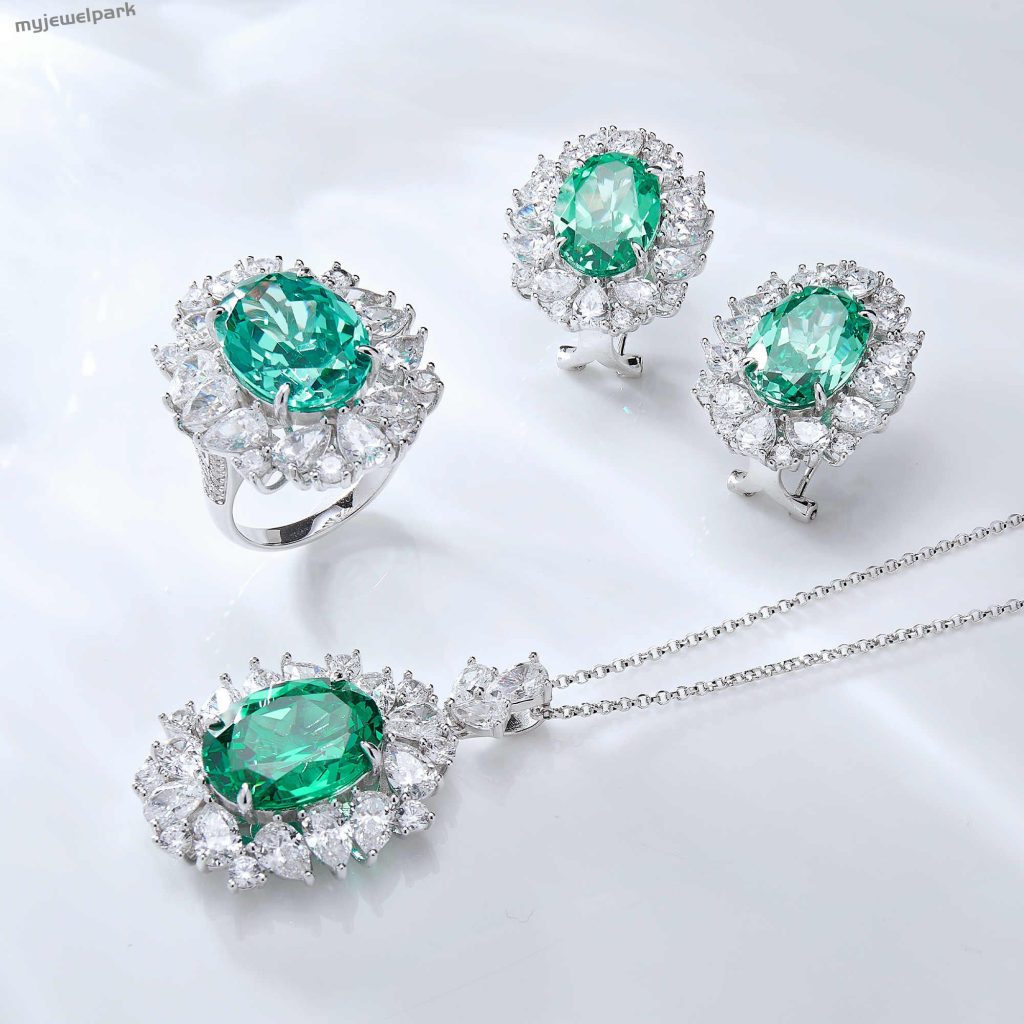
The safest and most reliable way is to send the gemstone to a professional jewelry appraisal agency for testing. These agencies will use scientific instruments to analyze the composition and formation process of the gemstone and issue an authoritative appraisal certificate. Professional appraisal can provide clear information to help you understand the source of the gemstone.
5. Understand the supplier
When buying gemstones, it is crucial to choose a reputable supplier. Reputable merchants usually provide detailed gemstone sources and certificates to ensure the authenticity and quality of the products you buy.
I hope the methods I provide can help you. When buying, stay vigilant and patient to ensure that you buy authentic products and experience the unique charm and value of emeralds.