How to Tell If a Yellow Sapphire Is Real?
Yellow sapphires have a golden warmth that attracts everyone from gem collectors to spiritual jewelry seekers. But with so many treated, simulated, and lab-created stones on the market, how do you know if your yellow sapphire is actually real? Here’s a practical guide, and why some buyers are now leaning toward lab-grown yellow sapphires as their first choice, not a fallback.
1. Observe the Color: But Don’t Be Fooled by Brightness
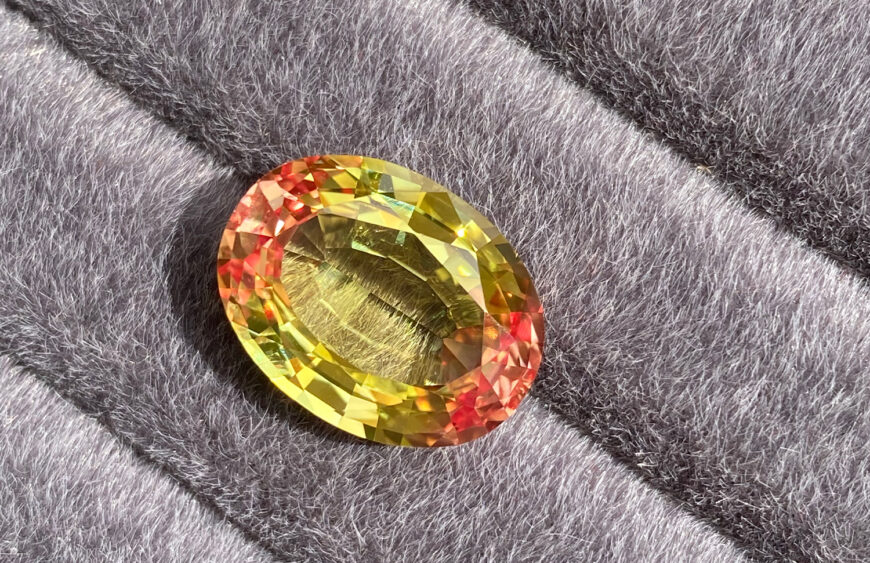
Natural yellow sapphires range in color from pale straw yellow to rich golden hues. If the color looks too saturated or unnaturally vivid, it could be a sign of heat treatment or a synthetic gemstone. Natural stones often have slight color zoning or depth, not a flat, cartoonish yellow.
Interestingly, some of today’s lab-grown sapphires, made through hydrothermal or flux growth, are created with the same visual depth and subtle zoning, making them nearly indistinguishable from high-quality natural stones.
2. Use a Loupe or Microscope: Real Gems Have Inclusions
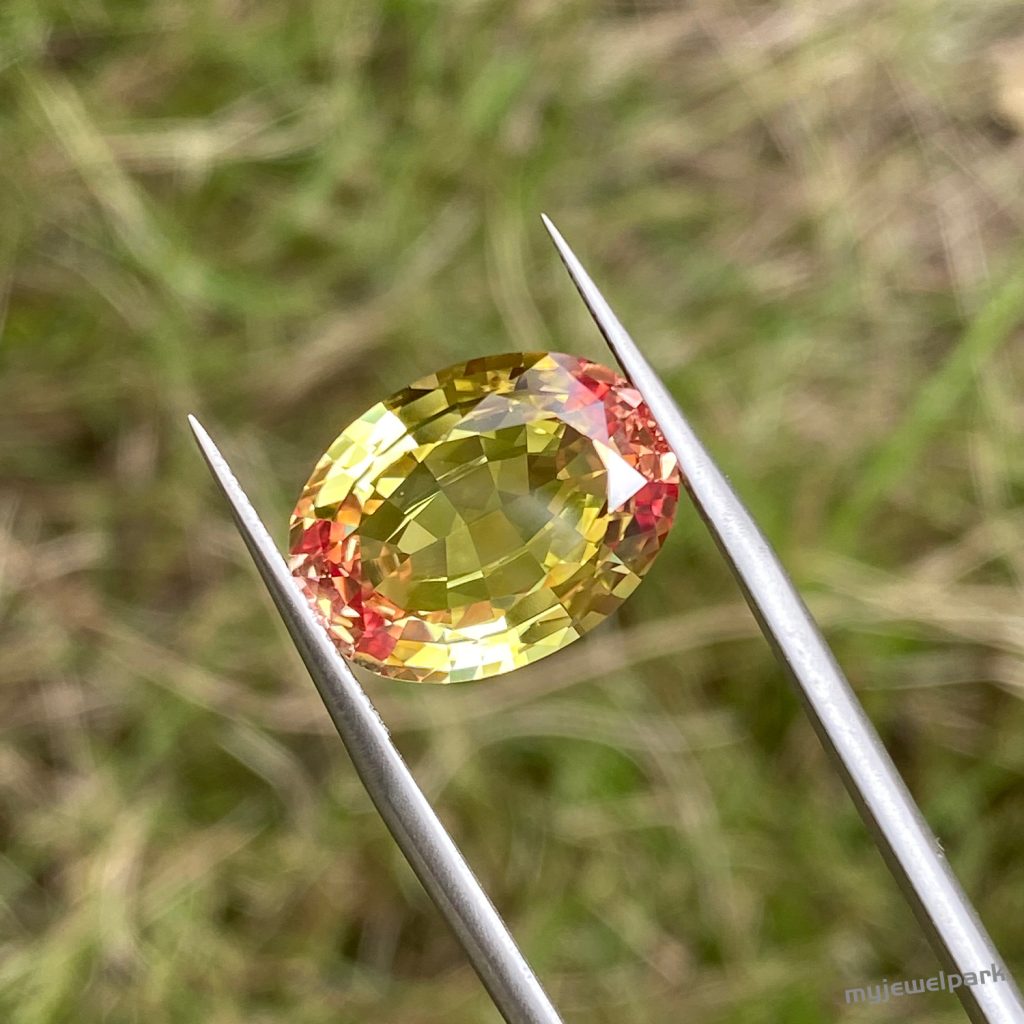
One of the easiest ways to check authenticity is to inspect for inclusions. Tiny internal features like feathering, crystals, or needle-like structures are common in natural sapphires. Completely flawless stones may be synthetic or have undergone heavy treatment.
However, advanced lab-created sapphires can now include intentional inclusions to mimic natural growth patterns. The difference? These stones are grown with transparency, not altered after the fact.
3. Refractive Index and Lab Testing
Genuine sapphires, whether mined or lab-created, have a refractive index of about 1.76 to 1.77. Testing this with a gem refractometer helps rule out imitation gems like yellow topaz or synthetic spinel. For absolute certainty, gemological labs also perform spectroscopy and UV testing to distinguish between heat-treated, untreated, and lab-grown gemstones.
According to the Gemological Institute of America (GIA), certification is key when buying high-value colored stones. Look for reliable third-party grading if you’re unsure about what you’re buying.
4. What the Public Really Thinks
Public perception is changing fast. A 2023 survey by the International Gem Society showed that 67% of Gen Z and millennial shoppers are open to, or actively prefer, lab-grown gemstones for ethical, environmental, and price-related reasons.
Social media forums like Reddit and jewelry TikTok are full of users proudly sharing their lab-created yellow sapphires, praising the transparency of origin and value for money.
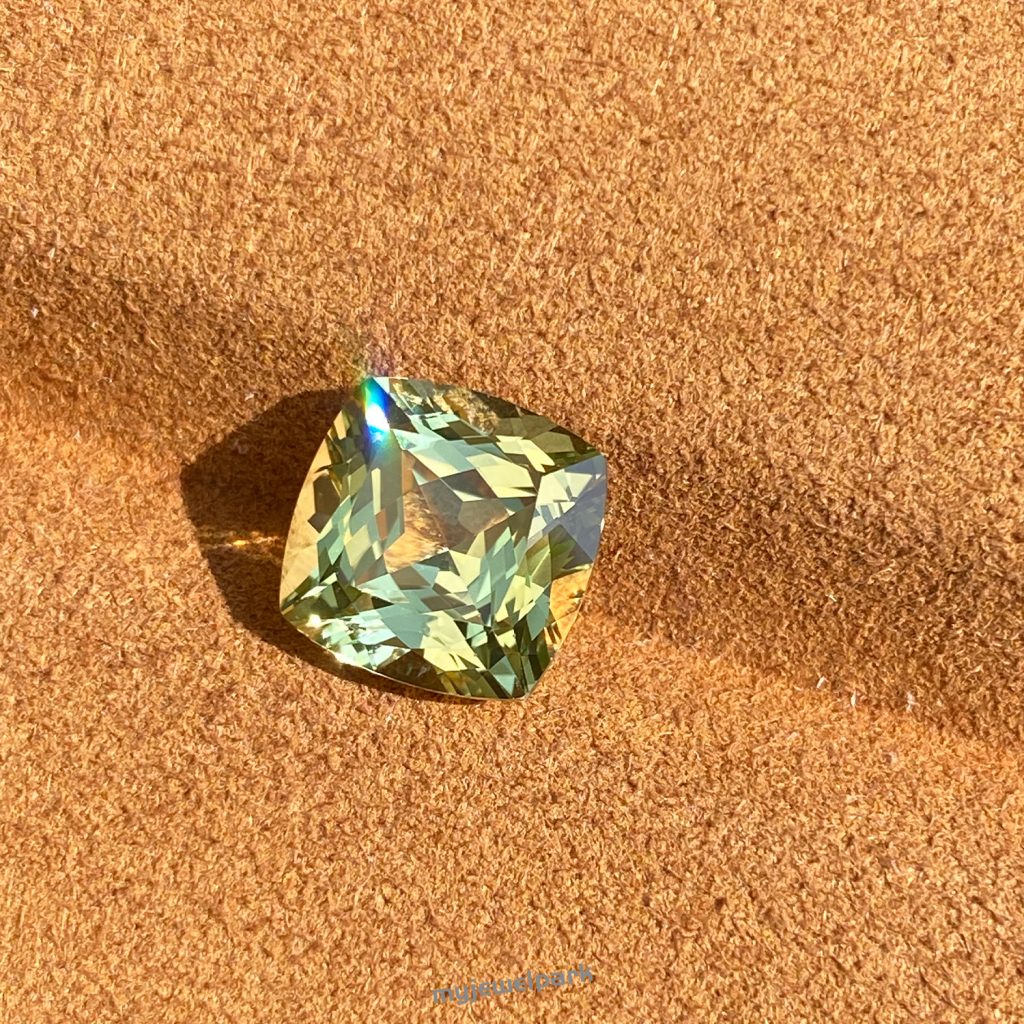
Why Lab Grown Yellow Sapphires Are on the Rise
Forget the outdated view that synthetic means “cheap.” Today’s cultured sapphires are grown with precision, often cleaner and more consistent than their mined counterparts. They are now also produced with natural-like inclusions and body tones that were previously only found in mined stones. These aren’t fakes; they’re forward-thinking alternatives.
And for buyers who care about sustainability, avoiding destructive mining practices makes the switch to lab-grown feel even better.