Lab Grown vs. Natural Colored Gemstones: Which One Should You Choose?
Choosing between lab-grown and natural colored gemstones is a common dilemma for jewelry lovers. Both options come with their unique attributes, benefits, and considerations, and the choice ultimately depends on personal preferences and values. Let’s break down the key differences to help you make an informed decision.
1. Origin
Natural Colored Gemstones: These stones are formed over millions of years in nature through geological processes. They come from various parts of the world and can vary in color, texture, and inclusions, making each gemstone unique. Their scarcity often adds value, especially for high-quality stones.
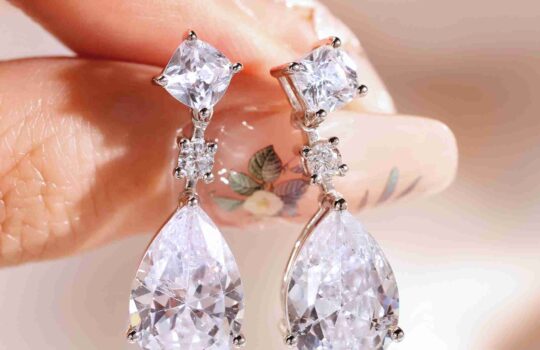
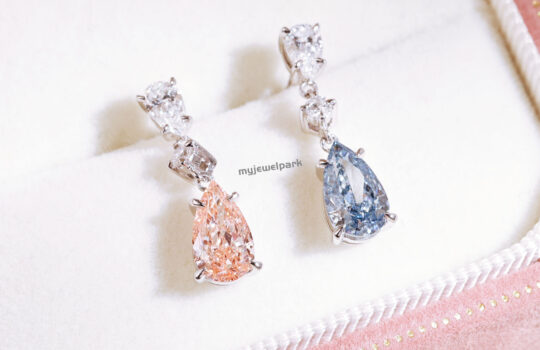
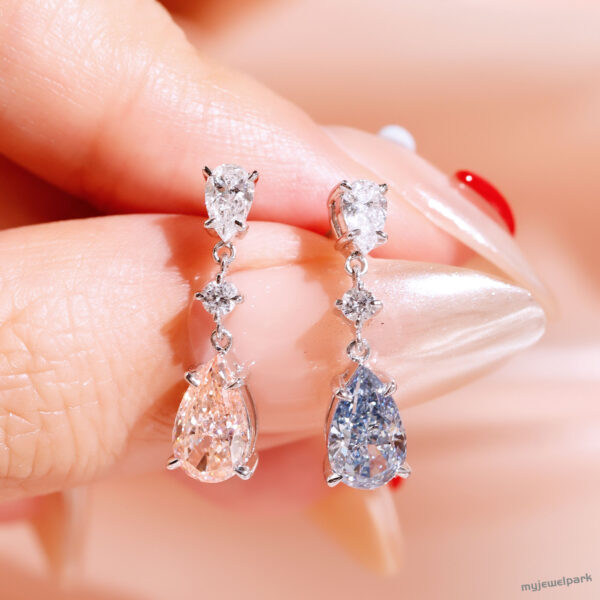
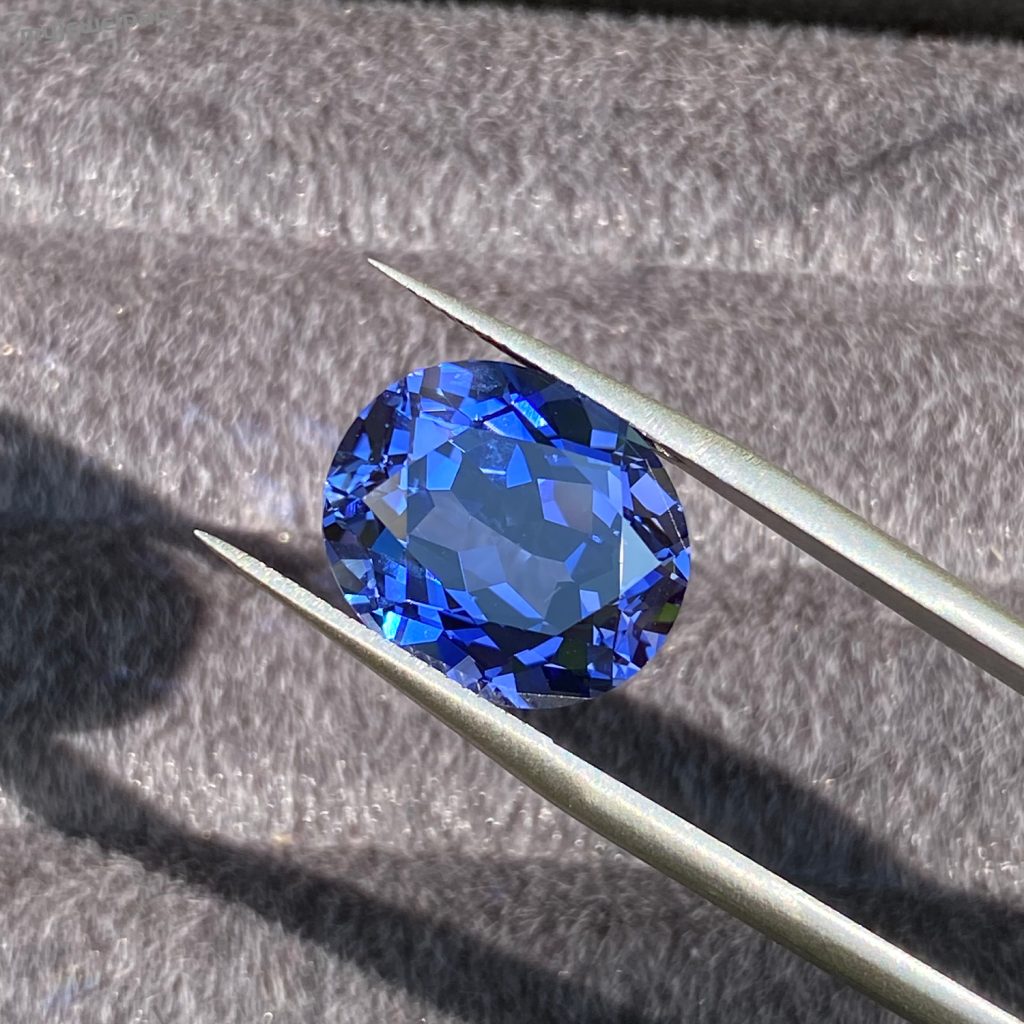
Cultivated Colored Gemstones: These are created in controlled environments using advanced technology that mimics the natural conditions that form gemstones. Lab-grown gems are chemically identical to their natural counterparts and can be produced more quickly, allowing for more uniformity in color and clarity.
2. Cost
Natural Colored Gemstones: Generally, natural stones are more expensive, especially those that are rare or of high quality. Factors such as origin, color saturation, and clarity heavily influence their market price.
Lab-Grown Colored Gemstones: Typically more affordable, lab-grown gemstones can be produced at a lower cost due to the efficiency of their manufacturing processes. This means you can often acquire a visually stunning gemstone at a fraction of the price of a natural stone.
3. Quality and Characteristics
Natural Colored Gemstones: Because they form in natural conditions, they can exhibit unique inclusions and color variations that enhance their character. However, these imperfections can sometimes impact their clarity and overall appearance.
Lab-Grown Colored Gemstones: These stones are often created to have fewer inclusions and more vibrant colors. The controlled conditions allow for the production of gemstones that can be virtually flawless, appealing to those who prefer a perfect look.
4. Ethical Considerations
Natural Colored Gemstones: The mining of natural gemstones can raise ethical concerns regarding labor practices and environmental impact. However, many reputable jewelers ensure their stones are sourced responsibly.
Cultivated Colored Gemstones: Typically seen as a more ethical choice, lab-grown stones have a lower environmental impact and do not involve mining. This aspect appeals to environmentally conscious consumers and those concerned about ethical sourcing.
5. Market Perception
Natural Colored Gemstones: Many people appreciate the story behind natural stones and value their uniqueness. They tend to be seen as more prestigious due to their rarity.
Cultivated Colored Gemstones: While gaining acceptance, some jewelry enthusiasts still view lab-grown stones as less desirable than natural ones. However, as technology advances and more consumers become educated about the benefits of lab-grown options, perceptions are shifting.
The choice between lab-grown gemstones and natural colored gemstones ultimately comes down to your values, budget, and personal preferences. If you value naturalness, rarity, and uniqueness, you may gravitate toward natural gemstones. However, if you’re looking for affordable prices, ethical production, and superior quality, lab-grown gemstones may be the perfect choice.
About Us
China Luster has been integrating design, production, and sales since 1997. We export all over the world and are one of the largest lab-grown gemstone and gold and silver jewelry manufacturers in Wuzhou. We specialize in hand-cutting and grinding and have over 27 years of manufacturing experience. Welcome to contact us for a quote!