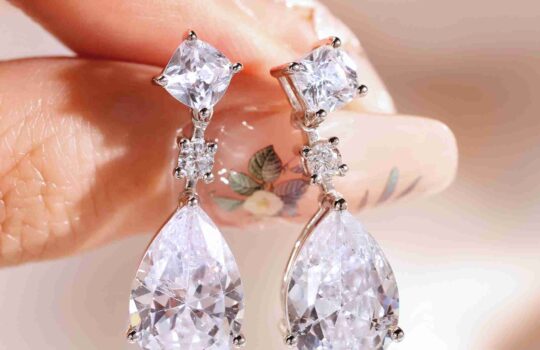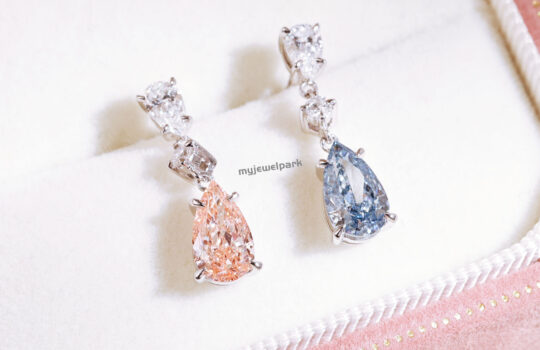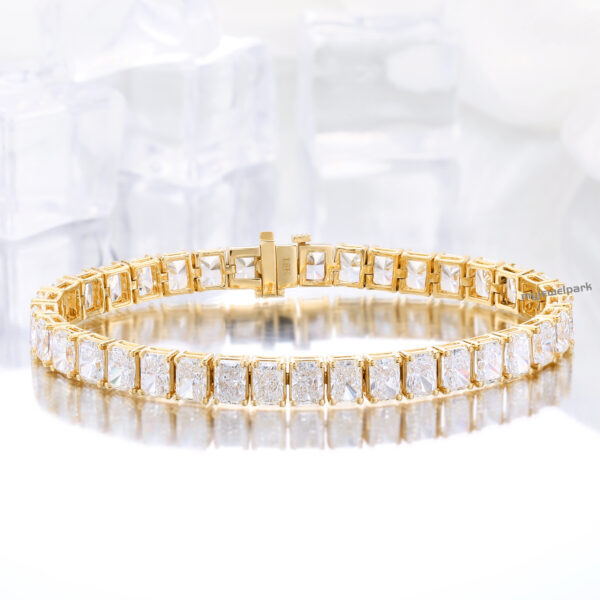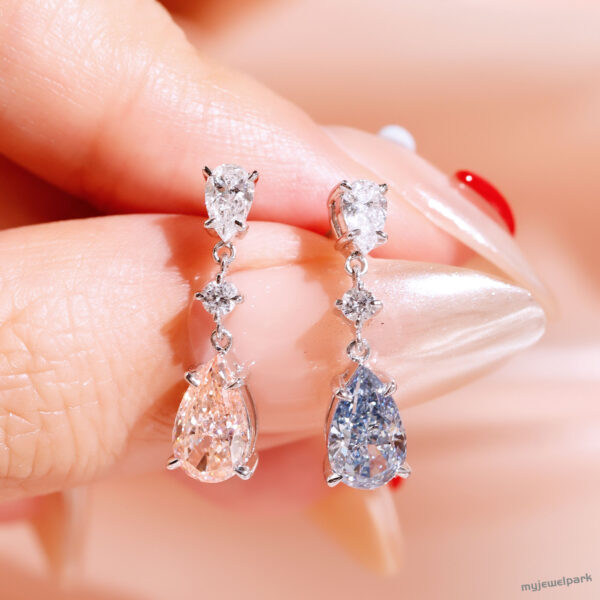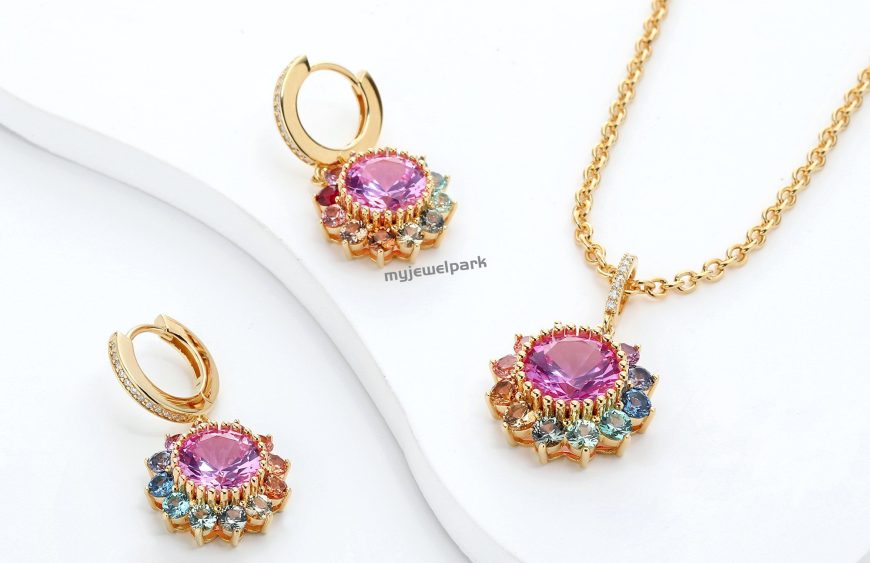
The difference between Lab Grown Gemstoneand Natural Colored Gemstone
Many women indeed harbor curiosity about lab-grown gemstones and often wonder if they can be considered on par with their naturally occurring counterparts.The discussion around lab-created gems has grown significantly in recent years, as technology advances. Let’s delve into the key points to address these common queries.
1.Natural Colored Gemstone
Gemstones take millions of years to form, a process that occurs in diverse environments beneath the Earth’s surface. Gemstones can be roughly divided into three categories based on the nature of the rock they are formed from: igneous rocks (igneous rocks), metamorphic rocks, and sedimentary rocks.
Igneous rock: The cradle of this type of gemstone is boiling magma deep underground, erupting lava and even steaming gas. During the cooling and solidification process, the minerals gradually crystallize and form. Depending on the cooling rate, igneous rock gemstones can slowly crystallize into large particles deep in the earth’s crust, or quickly condense into fine crystals on the surface, showing a variety of shapes and textures.
Sedimentary rocks: The gestation of gemstones in this category is inseparable from the role of water. In the surface or near-surface environment, the minerals dissolved in the water gradually precipitate and accumulate, and after years of accumulation and compaction, they finally harden into gemstones. Geological activities such as river erosion and ocean sedimentation are natural workshops that shape sedimentary rock gems.
Metamorphic Rock: Gemstones are formed in rocks that have been deeply reshaped by nature. Under the extreme conditions of high temperature and pressure, the internal structure and chemical composition of the original rock underwent rearrangement and reorganization, achieving a “Phoenix Nirvana”-like transformation. This high-pressure, high-temperature environment is common in collision zones of crustal plates, causing the original rock materials to be “reborn”, forming dazzling metamorphic rock gems such as sapphires and jade.
2.Lab Grown Gemstone
In the gemological and jewelry industry, “Lab Grown Gemstone” are often referred to as synthetic gemstones, a term that accurately reflects that these gemstones do not form naturally but are grown through scientific techniques in a controlled environment (such as a laboratory or factory). The process of synthetic gemstones involves simulating the geological conditions of nature and using methods such as high pressure, high temperature or chemical vapor deposition to grow crystals, thereby obtaining artificial gemstones with the same physical and chemical properties as natural gemstones.
This type of gemstone has a niche in the market due to its cost-effectiveness, sustainability and customizability. They offer consumers more choice while also reducing the potential environmental impact of mining natural gemstones.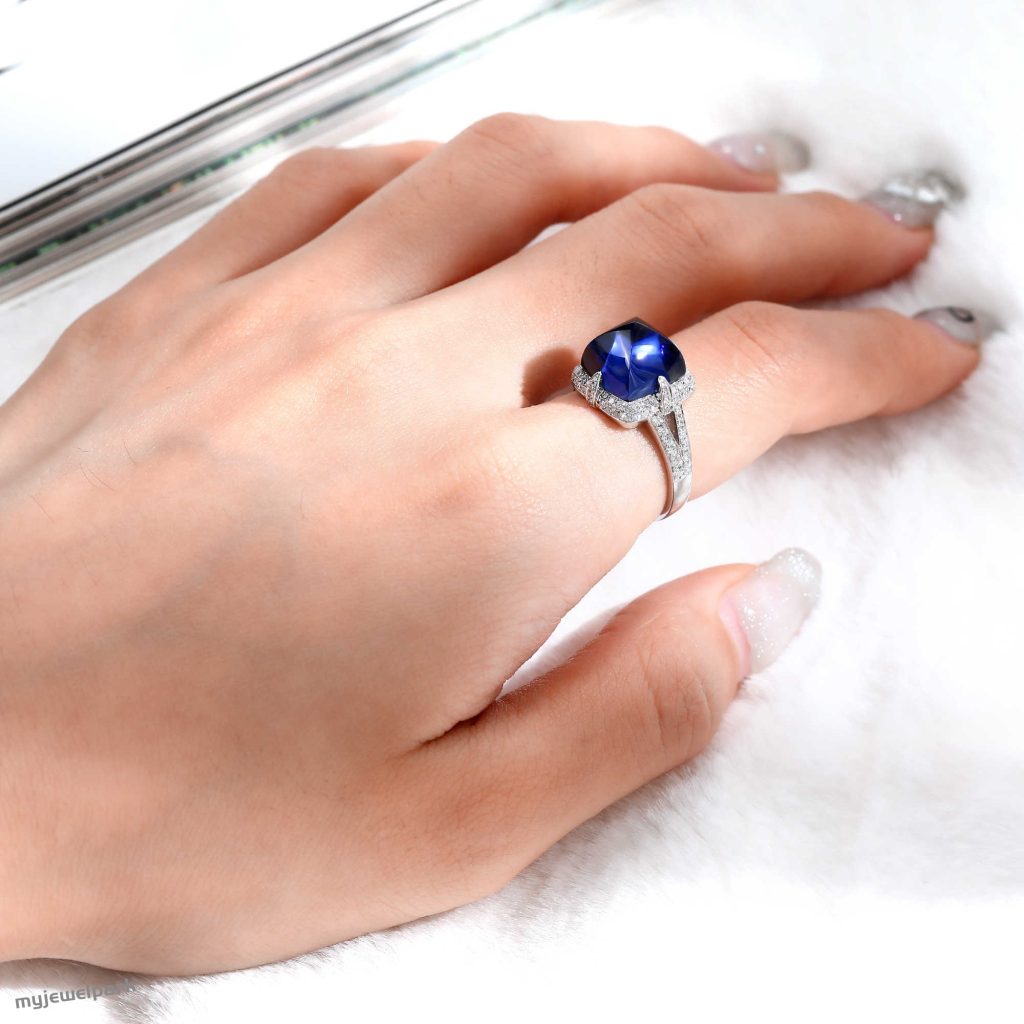
3.Price
Compared with Natural colored gemstone,, Lab grown gemstone are usually more affordable, and it is not uncommon to be priced at several hundred yuan per carat on the market. This is because the production of synthetic gemstones can control costs to a certain extent and be carried out in batches, avoiding the high risks and scarcity issues of natural gemstone mining. In addition, a major advantage of synthetic gemstones is their high customization flexibility. Whether it is color, cut or size, they can be adjusted according to customer needs. This is often difficult to achieve in the natural gemstone market due to the characteristics of natural gemstones. It is determined by the conditions of natural formation and cannot be chosen or changed at will.Additionally, I carry lab-grown gemstones for sale in my store.
4.Certificate
In the past, Lab Grown Gemstone often did not come with identification certificates.This is mainly because compared to diamonds, the evaluation standards for color, clarity and cut of laboratory-grown colored gemstones are more subjective and diverse, and there is no unified international grading system.However, as the synthetic gemstone market matures and technology develops, more and more laboratories and professional institutions have begun to provide certification services for synthetic gemstones.These certificates can detail information such as the type of gemstone, whether it is Lab grown gemstone, basic physical properties and the origin of the color.
When shopping for gemstones, whether natural or lab-grown, it’s a good idea to ask for detailed photos and videos of the stone. This will help you make a more complete evaluation by taking a closer look at the stone’s appearance from multiple angles, including color, cut, luster, and any inclusions or imperfections.If necessary, you can also ask the merchant to send you a GRC certificate.

Finally, Lab Grown Gemstone is a very beautiful jewelry. I hope everyone can choose a gemstone that suits their needs.