The History of Ruby Mining in Burma
Burma, known for its stunning rubies, is considered among the finest in the world. The Southeast Asian country has a rich and fascinating history of ruby mining. It reflects centuries of tradition, culture, and economic significance.
Early Beginnings
Ruby mining in Burma has roots tracing back to ancient times, with activities documented as early as the 1st century. The most renowned ruby deposits are located in the Mogok region, a mountainous area in central Myanmar. For centuries, local miners used traditional methods, including hand tools, to extract rubies from the earth. The Burmese, who referred to rubies as “the king of gemstones,” believed that the stones possessed protective powers, enhancing their spiritual and cultural value.

The Colonial Era
The modern history of ruby mining in Burma took a significant turn during the colonial era. In the 19th century, the British Empire took control of Burma, and the mining industry began to see increased interest from international gem merchants. The British established more organized mining operations and introduced new technologies, which led to a greater extraction of rubies. During this period, Burmese rubies gained global recognition for their deep red color, often described as “blood red,” and their exceptional clarity.
The Impact of War and Politics
The latter half of the 20th century brought challenges to the ruby mining industry in Burma. Political instability and military rule affected mining operations and exports. Despite these challenges, Burmese rubies continued to be highly coveted on the international market. However, ethical concerns arose regarding labor conditions and the funding of conflict through precious gemstone sales, leading many countries to impose trade restrictions.
Current Status
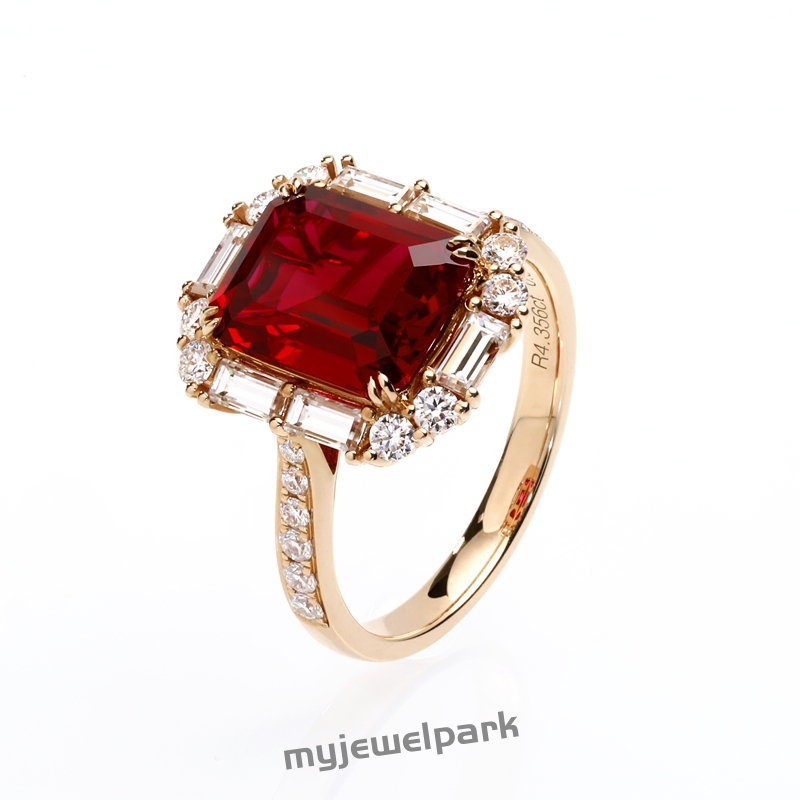
Today, ruby mining remains an essential part of Myanmar’s economy. The Mogok Valley is still the center of ruby production, where skilled miners carefully extract these precious stones. In recent years, efforts have been made to improve mining practices and provide better working conditions. Additionally, gem fairs and international exhibitions showcase Burmese rubies, attracting collectors and jewelry enthusiasts from around the world.
The history of ruby mining in Burma is a testament to the country’s rich cultural heritage and economic significance. From ancient practices to modern mining techniques, Burmese rubies have continuously captured the hearts of gem lovers. As awareness of ethical practices grows, the future of ruby mining in Myanmar may lead to a more responsible and sustainable industry, ensuring that these exquisite gems continue to shine bright for generations to come.