
In ancient times, people believed that gemstones were fragments of stars in the sky that fell to the earth. They possessed mysterious power and endless beauty. However, with the development of science and technology, humans can not only discover these natural treasures, but also cultivate equally dazzling gemstones in the laboratory.
We take the prepared raw materials, grind them into an extremely fine powder, and then melt them under high temperature and pressure to form a pure molten liquid. The next step is to select seed crystals, which are usually small pieces of existing gemstones. They are carefully placed in the molten liquid and become the basis for the growth of new gemstones.

Then there is the regulation of the growth environment, which is like providing the seeds with suitable temperature, moisture and light. In the laboratory, researchers precisely control the temperature, pressure and growth rate so that the atoms in the molten liquid can slowly gather around the seed crystal and grow layer by layer to eventually form a complete gem crystal.
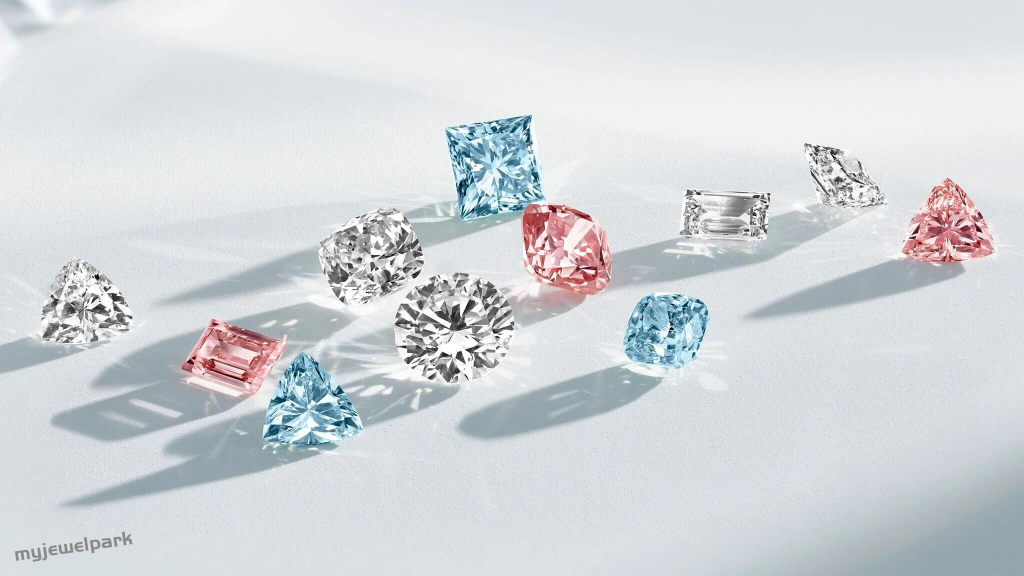
These “stars” in the laboratory are not only comparable to natural gemstones in physical properties, but also often better in color, transparency and clarity, satisfying people’s infinite imagination of gemstones.
However, gem cultivation is not only a display of technology, it also involves environmental protection and ethical issues. Compared with traditional mining, laboratory cultivation reduces the impact on the environment, avoids miners working under harsh conditions, and brings new possibilities to the gem industry.
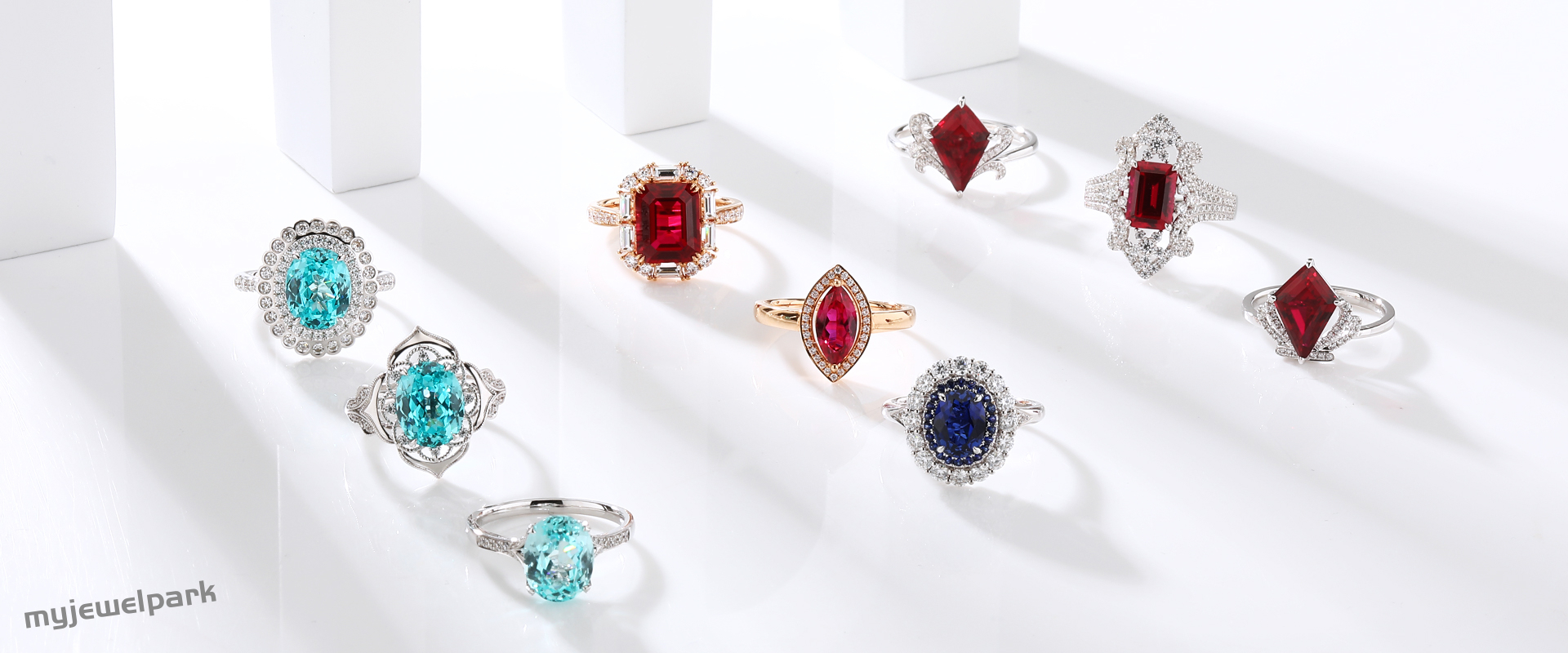
In this era full of miracles, we are fortunate to witness gemstones grown in laboratories go out into the world and become shining treasures in people’s hands. These artificially cultivated gemstones are telling the story of harmonious coexistence between humans and nature in their own unique way.