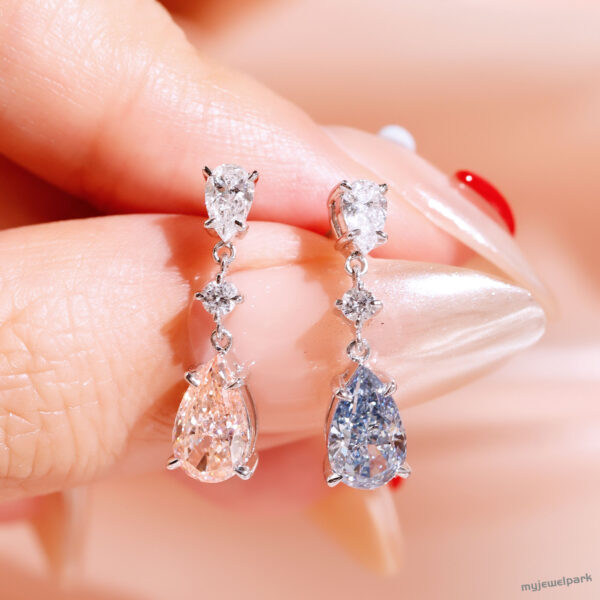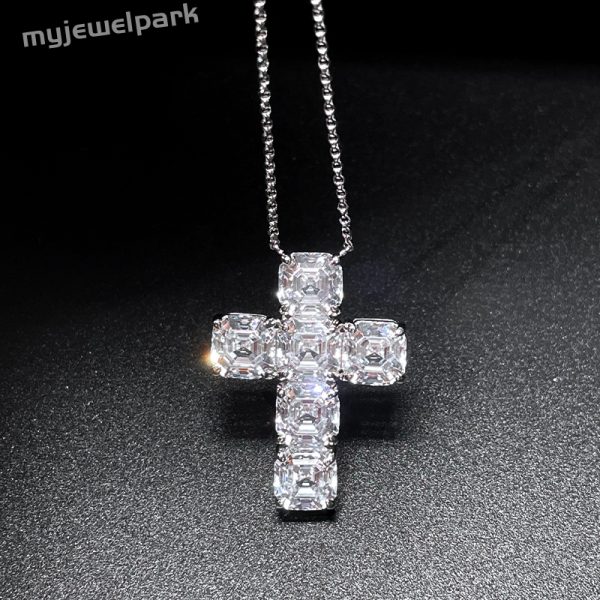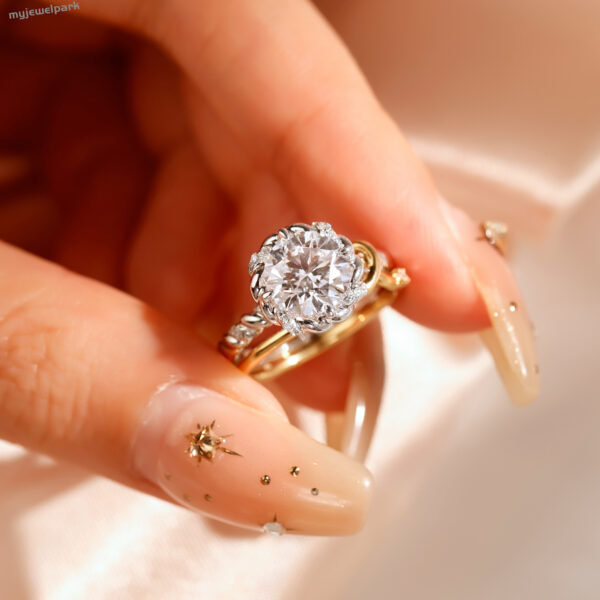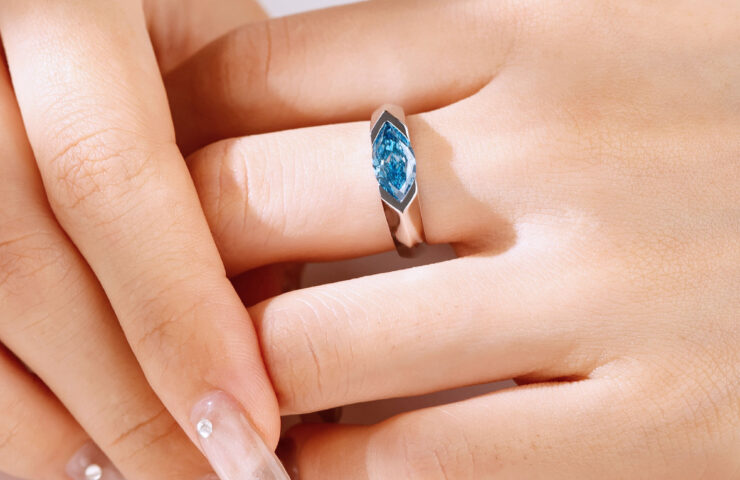
Let me tell you how to understand the terms used by jewelry industry insiders.
Blurring
In the Jewelry Industry Terminology: Blurring. “Blurring” is a phenomenon to avoid in gem processing. It occurs when a gem is cut too thin or at an improper angle, causing light to pass through the bottom and diminish the gem’s fire color. To detect this simply and intuitively, place the gem on a book or another surface with text. If the text beneath is clearly visible through the gem, it indicates the gem might have a bottom leak.
Because the light cannot be refracted and reflected ideally inside. Leaking (or bleeding) gems may not look bright enough and lack attractive sparkle effects. For high-quality gem cutting, craftsmen will carefully calculate the angles and proportions of each cutting facet. Ensure that the light can be reflected into the interior of the gem to the greatest extent, and finally appear in the form of gorgeous flames.
Therefore, when buying gems, especially gems with high transparency. It is very important to observe its scintillation and internal light treatment, and avoid choosing gems that appear dim or easy to see objects at the bottom. This is the only way to ensure that you buy the gem you like. Beautiful and high-value gems.
Jewelry Industry Terminology German Cut:
It is a general term for high-quality cutting processes within the industry. It refers to cutting gemstones very finely. Pay attention to symmetry, proportion and polish. Achieve the best optical effect, so that the gemstones show good fire and brilliance. It is not limited to semi-precious stones, but can also be used for the cutting of precious stones. However, over time, the use of this term has become more widespread and has become a symbol of high-quality cutting.
Jewelry Industry Terminology Fine Cut:
This is a more general description used to describe any gemstone with excellent cutting technology and high performance. It emphasizes the quality of the cut, including precise proportions, symmetry and excellent polishing, which are key factors in determining whether the gemstone can maximize its optical beauty. Finely cut gemstones can effectively capture and reflect light, showing the best brightness and fire.
Jewelry Industry Terminology Plain:
Often called a cabochon gemstone, it features a surface polished to form a smooth, curved shape without obvious planes or edges. This treatment method makes the gemstone present a warm and subtle luster, similar to the surface of a water drop or a smooth pebble, giving people a soft and restrained beauty. Typical examples of plain gemstones: egg-shaped (such as oval and round convex gemstones).
Jewelry Industry Terminology Faceted:
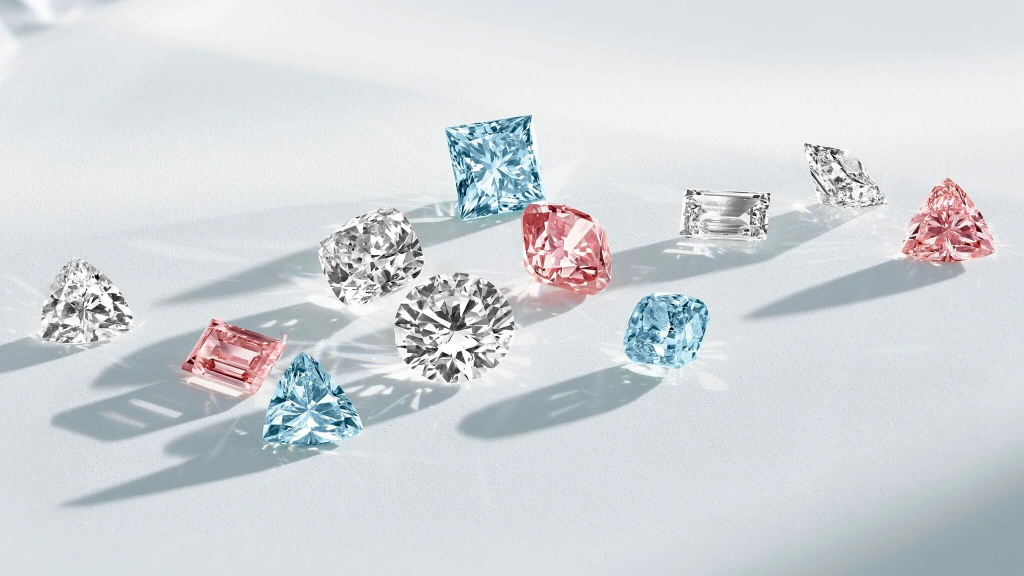
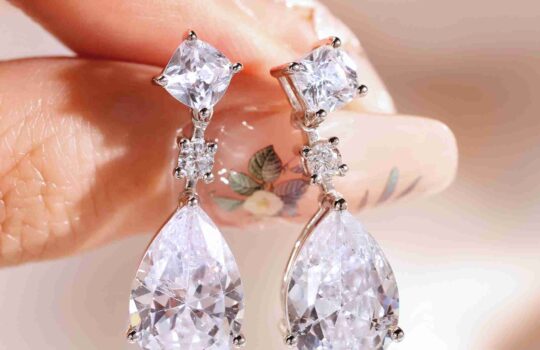
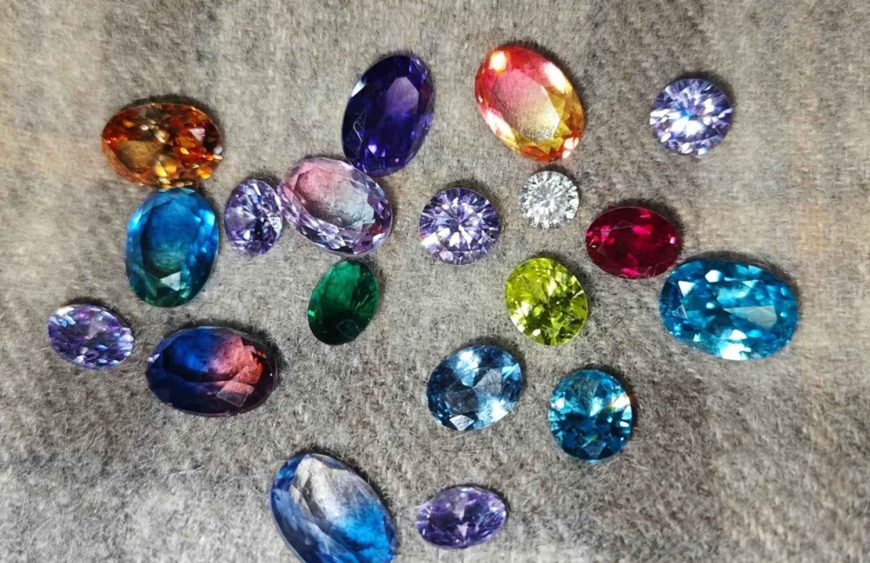
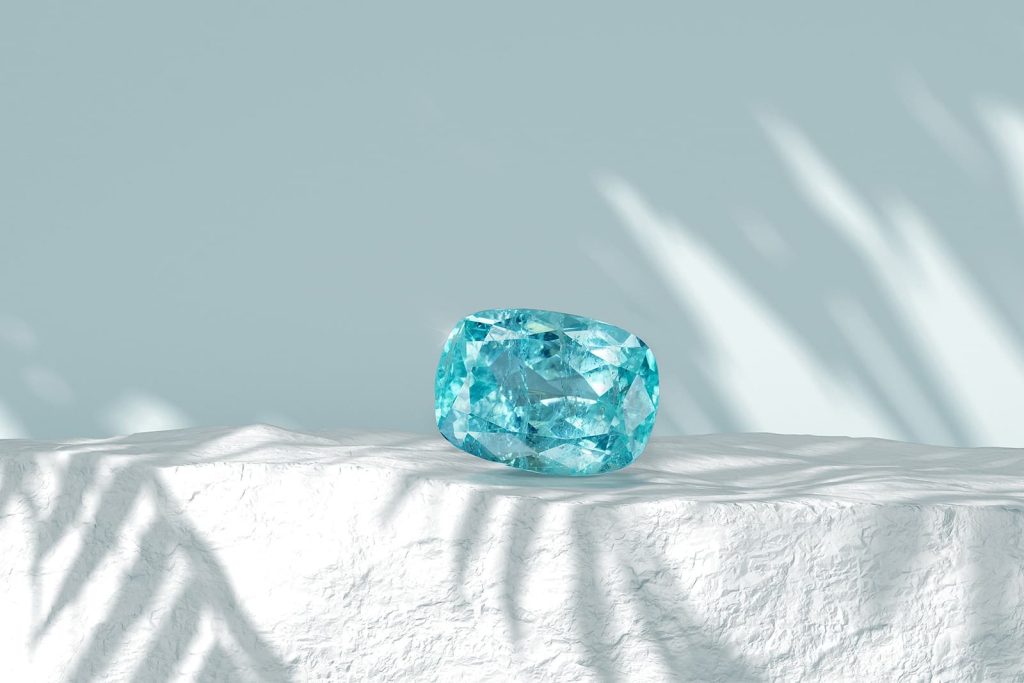
The surface of a faceted gemstone consists of several precisely calculated planes (facets), each connected by an edge. This cutting method carefully designs the facets so they reflect and refract light multiple times as it enters the gemstone. This produces the so-called “fire” effect, which is the sparkle and dispersion spectrum inside the gemstone. Typical examples of faceted gemstones include diamonds in various cutting styles (such as round brilliant, princess, etc.), as well as faceted cuts of colored gemstones (such as sapphires and rubies). Faceted gemstones emphasize the dynamic play of light and brilliance, and are suitable for gemstone materials with high transparency and good clarity.
If you want a really beautiful piece of jewellery, we invite you to visit myjewelpark. We offer a wide range of jewellery suitable for all price ranges. If you want to ensure that the finished product is of the best quality, then myjewelpark is the place for you.