What Determines the Difference Between Green Beryl and Emerald?
Green beryl and emerald are both beautiful members of the beryl family, yet they differ significantly in value, appearance, and market demand. Many gemstone enthusiasts and buyers wonder what sets these two apart and why emeralds command much higher prices. Understanding their distinctions requires looking closely at their color, chemical composition, and gemological qualities.
Both green beryl and emerald share the same basic chemical formula, beryllium aluminum silicate. However, their defining difference lies in the trace elements that give them color. Emeralds owe their vibrant green to chromium and vanadium, which create a deep, rich tone. In contrast, green beryl exhibits a lighter, more pastel green due to a lower concentration or absence of these elements. Searches for terms like “emerald vs green beryl” and “green beryl meaning” reflect consumer interest in identifying these subtle but crucial differences.
In popular discussion forums such as r/gemstones and dedicated jewelry YouTube channels, debates continue about whether green beryl can ever be considered an emerald. Some collectors argue that only stones with the intense green hues caused by chromium or vanadium should be labeled emeralds. Others accept that green beryl, particularly when it displays strong saturation, offers a beautiful alternative for those seeking affordability without sacrificing the classic green look.
Color saturation remains one of the most important factors

Emeralds generally have a deeper and more vivid green, while green beryl tends to be paler and less intense. This distinction affects market value significantly. According to data from the Gemological Institute of America (GIA), emeralds with rich color and minimal inclusions are among the most expensive gemstones globally. Green beryl, though valued for its clarity and delicate shade, usually sells for a fraction of the price.
In addition to color, inclusions play a role in how these gems are perceived. Emeralds often contain natural “jardin” inclusions, which are accepted as part of their character. Green beryl tends to be cleaner and more transparent. Consumer opinions vary widely on forums and video reviews. Some viewers prefer the purity of green beryl, seeing it as more wearable daily. Others value the rarity and historic prestige of emeralds despite their inclusions.
The rise of laboratory cultivation has introduced new possibilities in both stones
Lab-grown emeralds and green beryls are chemically and visually identical to their natural counterparts but typically offer better clarity and affordability. Searches for “lab-grown emeralds” and “synthetic green beryl” have increased sharply among buyers interested in ethical sourcing and sustainable options.
Precise control over color and clarity
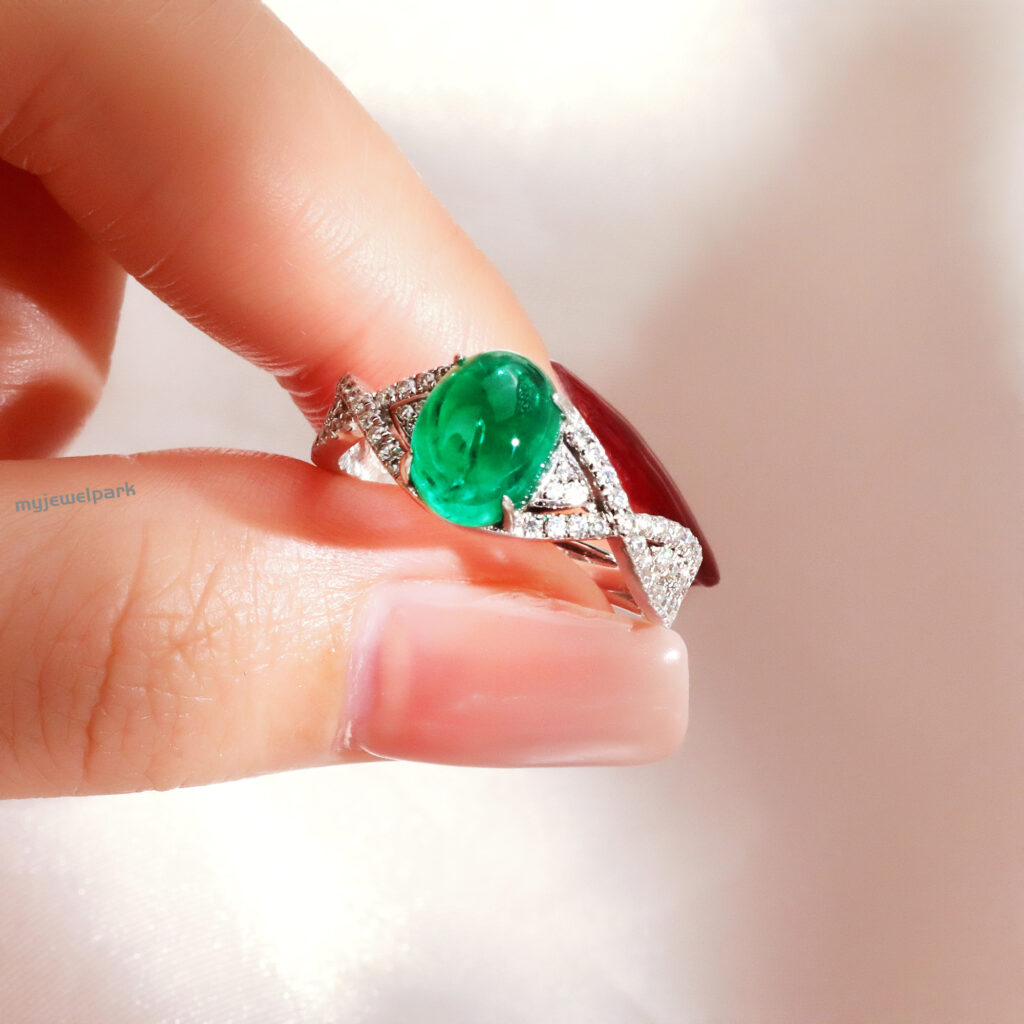
Lab cultivation allows precise control over color and clarity, eliminating many imperfections seen in natural stones. According to a 2024 report by the Natural Color Stone Association, 58% of consumers aged 25-40 show a growing preference for lab-created gemstones due to their transparency and environmental benefits. Lab-grown emeralds provide vivid, intense greens without the need to compromise on clarity or budget.
For buyers seeking the deep green associated with traditional emeralds but wanting a clear stone without inclusions, lab-grown emeralds can be ideal. Similarly, lab-created green beryl offers a gentle hue and excellent transparency, making it a beautiful choice for everyday jewelry. Both types of lab-grown stones support ethical practices by avoiding the environmental and social issues sometimes linked to mining.
In summary, the difference between green beryl and emerald primarily depends on color intensity driven by trace elements and market perception of rarity. While emeralds remain the classic choice for their rich green and historic value, green beryl is gaining appreciation as an elegant, more accessible alternative. Advances in lab cultivation further blur the line by offering stunning, affordable stones that meet modern ethical and aesthetic standards.