What Is the Rarest Type of Emerald?
Emeralds are among the most treasured gemstones, but not all are created equal. Some varieties are far rarer than others, commanding astronomical prices due to their color, clarity, and origin. But what exactly makes an emerald rare, and how do lab-grown emeralds compare to these elusive natural treasures?
The Rarest Type of Emerald in the World
Trapiche Emeralds
Found mainly in Colombia, these emeralds have a unique six-pointed star pattern caused by black carbon inclusions. Their rarity stems from their distinct crystal formation, making them highly sought after by collectors.
Muzo Emeralds
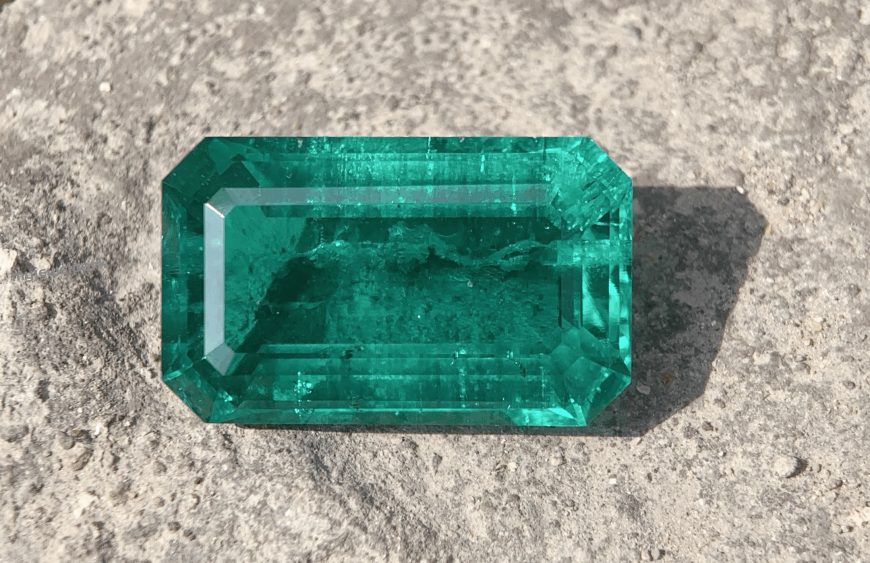
Mined from the Muzo region in Colombia, these emeralds are known for their intense green color and exceptional clarity. They often have fewer inclusions, making them some of the most valuable natural emeralds on the market.
Red Emeralds (Bixbite)
While not a true emerald, bixbite (red beryl) is often called the “red emerald” due to its striking color and similar composition. Found mainly in Utah, USA, it is far rarer than traditional green emeralds.
Cat’s Eye Emeralds
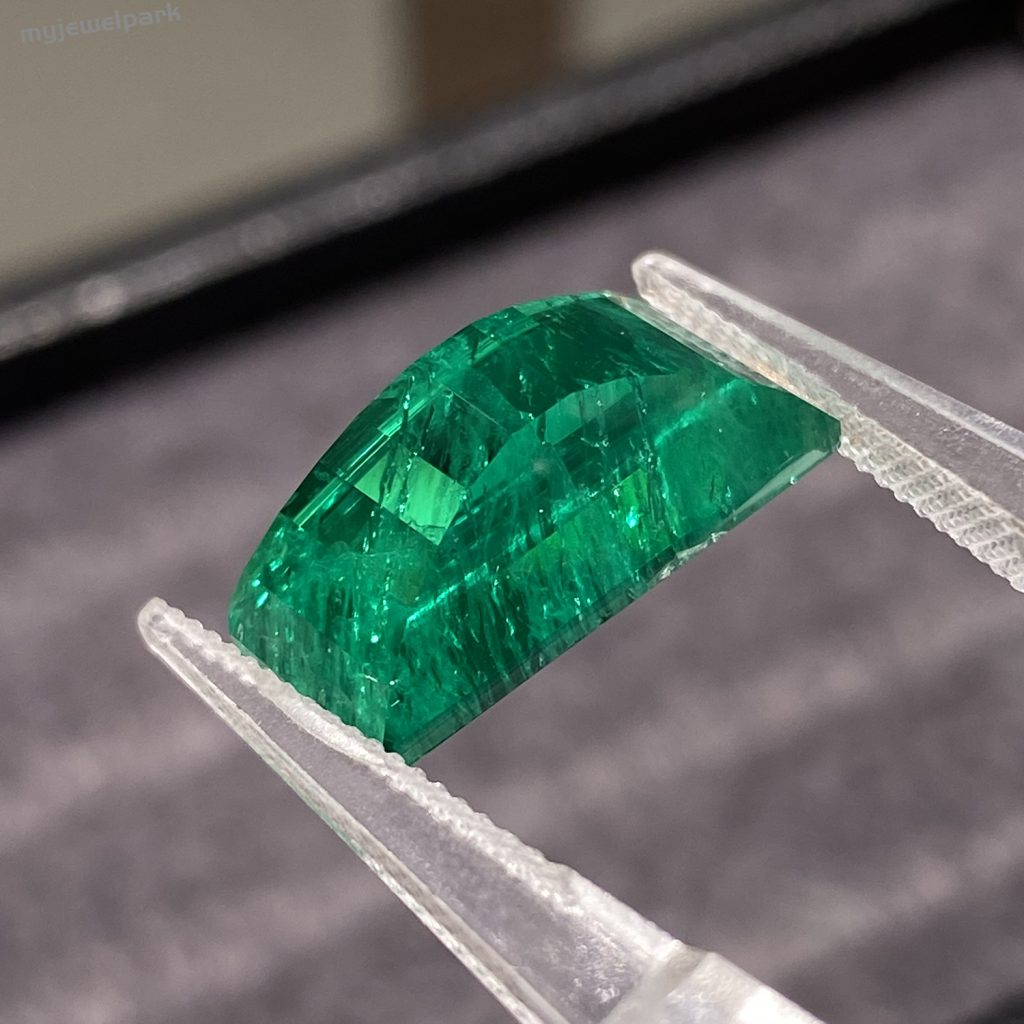
These rare gems display a phenomenon known as chatoyancy, where a bright band of light moves across the surface, resembling a cat’s eye. Only a handful of mines produce these exceptional stones.
Emeralds from Zambia with Blue Undertones
Zambian emeralds are already rare, but those with a distinct blue undertone due to their iron content are even harder to find. These stones have a cooler, more teal-green hue, setting them apart from the warmer tones of Colombian emeralds.
How Lab-Grown Emeralds Are Changing the Market
With technological advancements, lab-created emeralds are now nearly identical to natural ones, even mimicking the rare inclusions and color variations found in high-end stones like Muzo or Zambian emeralds. Modern techniques, such as hydrothermal synthesis, allow lab emeralds to develop slowly, resulting in natural-looking crystal structures and inclusions—a vast improvement over older synthetic versions that appeared too perfect.
Why Are Consumers Choosing Lab-Grown Emeralds?
Sustainability & Ethics – Traditional emerald mining often leads to deforestation and exploitative labor practices. Lab-grown emeralds offer a conflict-free, eco-friendly alternative.
Affordability – Lab-created emeralds cost up to 90% less than their rare, mined counterparts, making them accessible without compromising quality.
Enhanced Durability – Scientists can improve the clarity and structural integrity of lab-grown emeralds, making them less prone to fractures, a common issue with natural stones.

The Shift in Consumer Mindset
According to a 2023 study by the International Gem Society (IGS), over 70% of millennial and Gen Z consumers are open to lab-grown gemstones, prioritizing sustainability and ethical sourcing. Platforms like Instagram and TikTok have fueled this trend, with influencers and designers showcasing lab-created emeralds as luxury with a conscience.
Interestingly, the psychological aspect of wearing lab-grown emeralds has evolved. Many buyers now see them as scientific advancements in fine jewelry rather than “imitations.” As a result, high-end brands are incorporating lab-grown emeralds into their collections, recognizing their growing demand.
The Future of Cultured Gemstones
The rarest emeralds, such as Trapiche, Muzo, and Cat’s Eye emeralds, remain highly coveted. However, with lab-grown emeralds now replicating their beauty, structure, and even inclusions, more buyers are embracing sustainable luxury.
Would you choose a lab-grown emerald for its ethical and financial benefits, or do you prefer the exclusivity of a rare, natural stone? Share your thoughts in the comments!