What Makes a Lab Grown Emerald Different From a Fake?
Green gemstones are often admired from a distance. But up close, questions surface. When a piece is labeled as a lab grown emerald, how can you be sure it is not just a well-marketed fake? In the fine jewelry space, this confusion is surprisingly common.
Understanding the difference begins with material
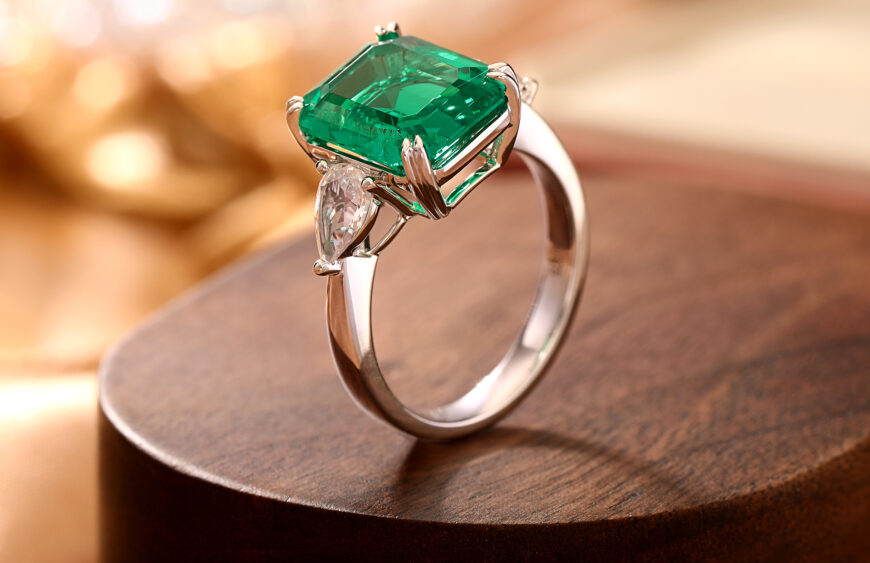
A lab grown emerald is a real emerald. It shares the same chemical composition, refractive index, and crystal structure as one formed naturally underground. It is produced using hydrothermal synthesis, a method that mirrors the natural process but compresses it into weeks rather than millions of years.
Fakes are different. These stones may look green, but they lack the defining properties of beryl, the mineral species that makes an emerald an emerald. Common substitutes include dyed quartz, green cubic zirconia, and glass composites. Visually, they can be convincing. Structurally, they are not.
In a 2023 technical update, the International Gemological Institute (IGI) reported a rise in misrepresented stones submitted for emerald certification. Among them were green stones with surface coatings and composites assembled from multiple materials. IGI emphasized that real emeralds, whether mined or lab grown, exhibit telltale features under magnification. These include growth zoning, mineral inclusions, and in lab grown examples, faint chevron or tubular structures consistent with hydrothermal development.

Confusion continues in the retail space and among consumers
On Reddit’s r/jewelry forum, users frequently share buying experiences involving mislabeling. One top comment on a thread titled “Did I get scammed?” stated, “I was sold a ‘synthetic emerald’ but later found out it was just glass. No certification, no weight, no character. Never again.”
That issue of character is where lab grown emeralds are gaining ground.
Recent advancements in hydrothermal technology allow producers to grow emeralds with visual properties once unique to natural stones. These include soft clouding, internal veils, and structured zoning. Chatham, a pioneer in this field, has developed patented processes to introduce controlled opacities into their lab crystals, creating the same diffused light and texture seen in high-quality Colombian emeralds.
This level of realism aligns with shifting consumer preferences. A 2023 sustainability survey by the Gem Market Trust found that 64 percent of respondents in Europe and North America preferred untreated gemstones over enhanced or coated ones. Younger buyers in particular associated visual imperfections and natural inclusions with authenticity rather than flaw.
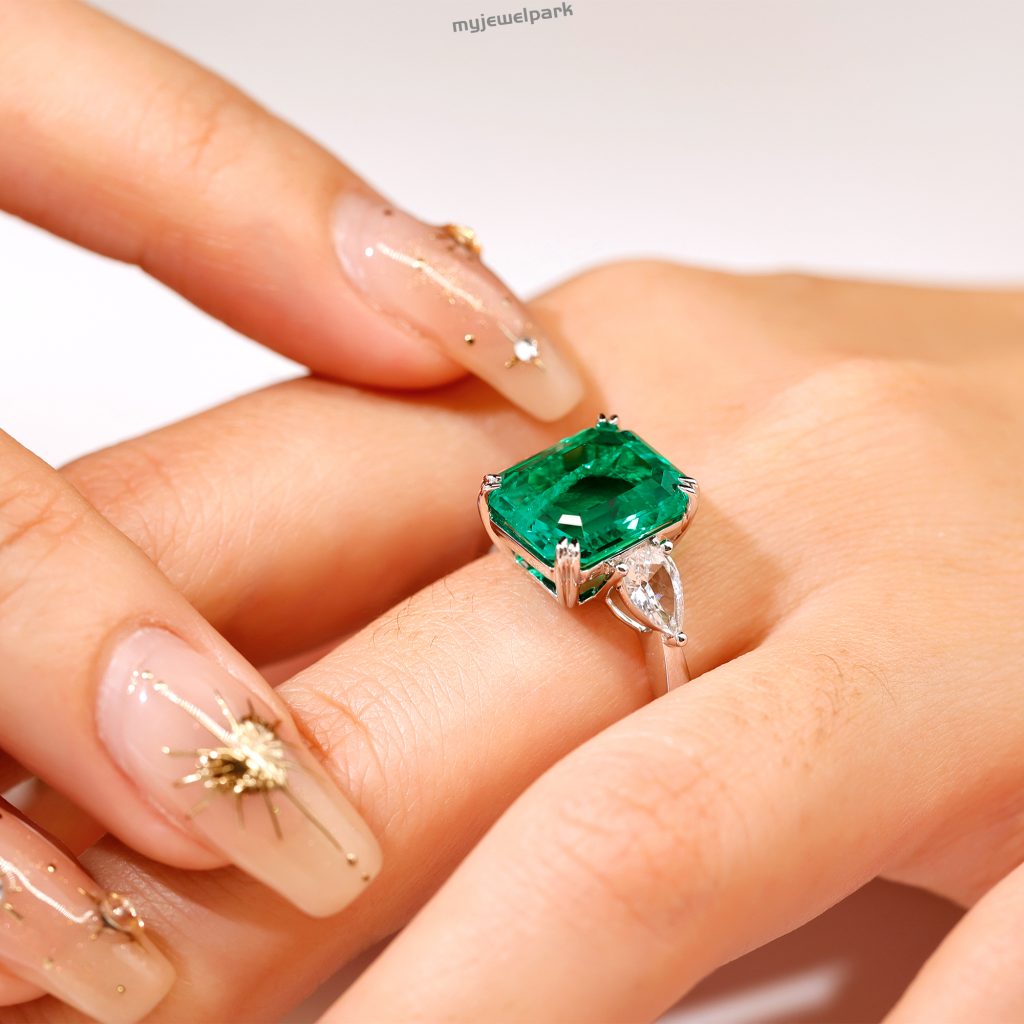
Lab grown emeralds, unlike fakes, meet these expectations. They provide clarity about origin, consistency in quality, and optical depth that cannot be faked with dye or coating. They offer transparency in every sense.
Poll: What would you choose to wear confidently?
A traditionally mined emerald, treated with oil or a lab-grown emerald, with untreated inclusions, for a natural look? Authenticity isn’t always about origin, sometimes it’s about integrity.