Which Finger to Wear Blue Sapphire Ring: Beliefs, Debate, and Modern Shifts
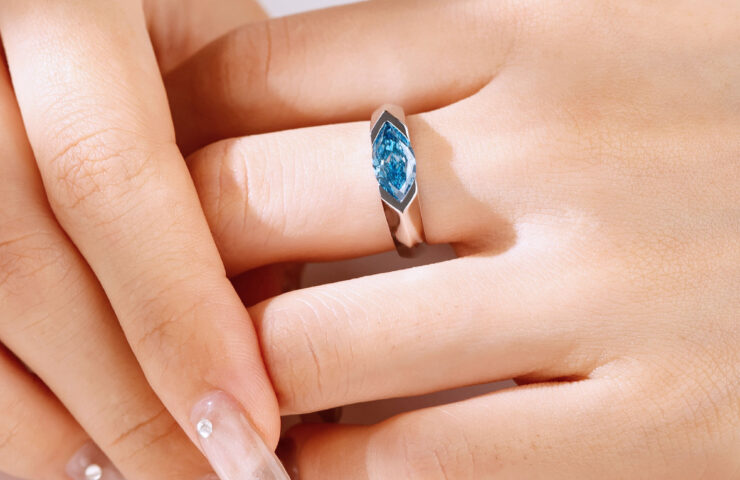
The question “which finger to wear blue sapphire ring” ranks among the top gemstone-related searches across Google, YouTube, and Reddit. For many, it’s more than a matter of comfort or style—it’s about tradition, astrology, and energy alignment. As interest in healing crystals and personalized spirituality rises, the debate over finger placement continues to spark discussion, skepticism, and a growing preference for lab-created stones.
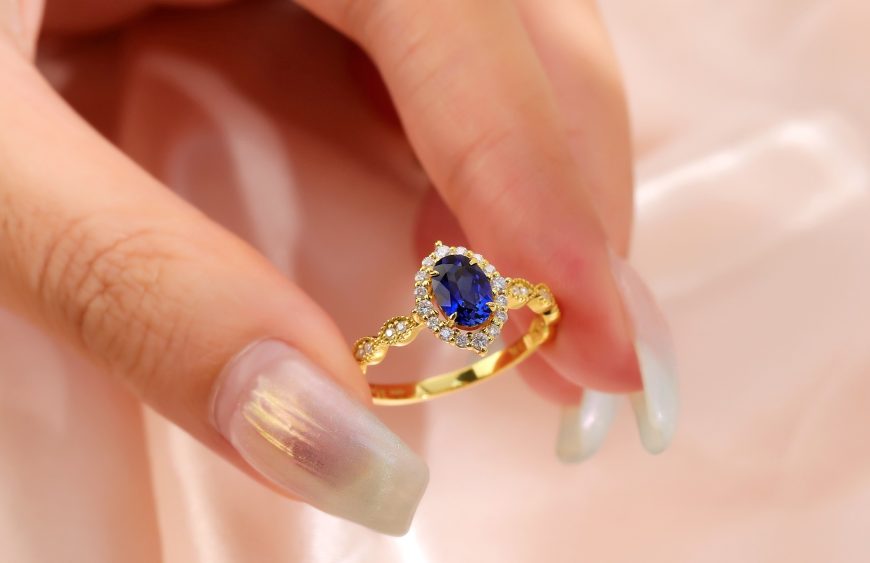
In Vedic astrology, blue sapphire—or Neelam—is associated with the planet Saturn. It’s believed to influence discipline, focus, and karma. Traditional guidance suggests wearing it on the middle finger of the right hand for men and on the left hand for women. The middle finger represents Saturn’s energy channel, making it the chosen placement in countries like India, Sri Lanka, and Nepal.
But not everyone agrees
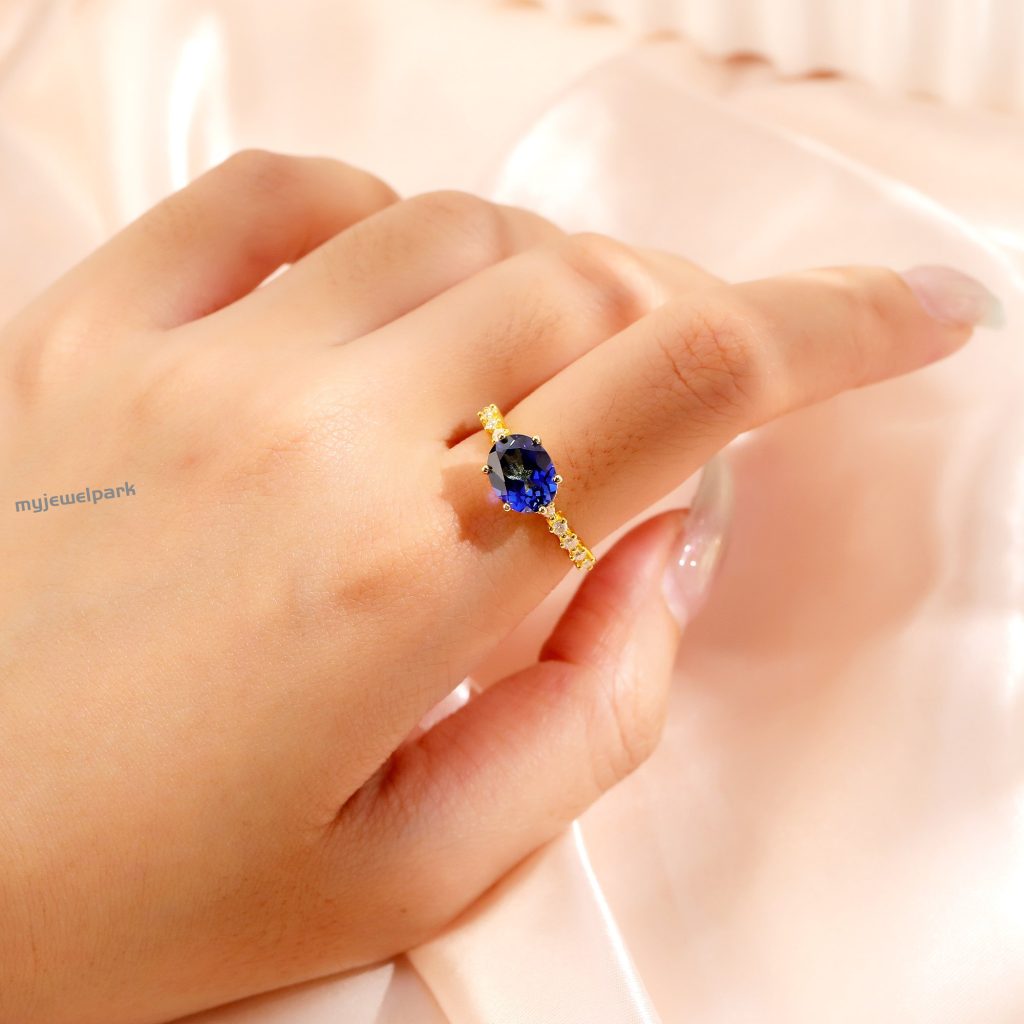
Some users on forums like Quora and Reddit’s r/Jewelry argue that comfort, aesthetics, and personal experience should outweigh rigid tradition. A popular thread titled “Wore sapphire on the wrong hand—nothing happened” drew hundreds of mixed replies. Some users claimed energy shifts or mood changes when switching fingers, while others reported no difference at all. The conversation often shifts from astrology to gemstone authenticity, with skeptics questioning whether finger placement matters if the stone itself is synthetic or untreated.
Western traditions approach the topic differently
Blue sapphire is frequently used in engagement rings, worn on the left ring finger without concern for planetary alignment. In this context, the stone symbolizes loyalty, truth, and commitment—no astrological guidance needed. According to a 2022 report by the National Jeweler magazine, over 15% of non-diamond engagement rings sold in the U.S. featured sapphires, with blue sapphire leading the category.
While opinions remain divided, what’s rarely mentioned is how the physical condition of a sapphire can influence these beliefs. Mined sapphires often contain inclusions, color zoning, or require treatments like heat enhancement. These variations can affect not just appearance, but how the stone is perceived energetically by followers of crystal healing or astrology.
This has contributed to the rising popularity of lab-grown blue sapphires
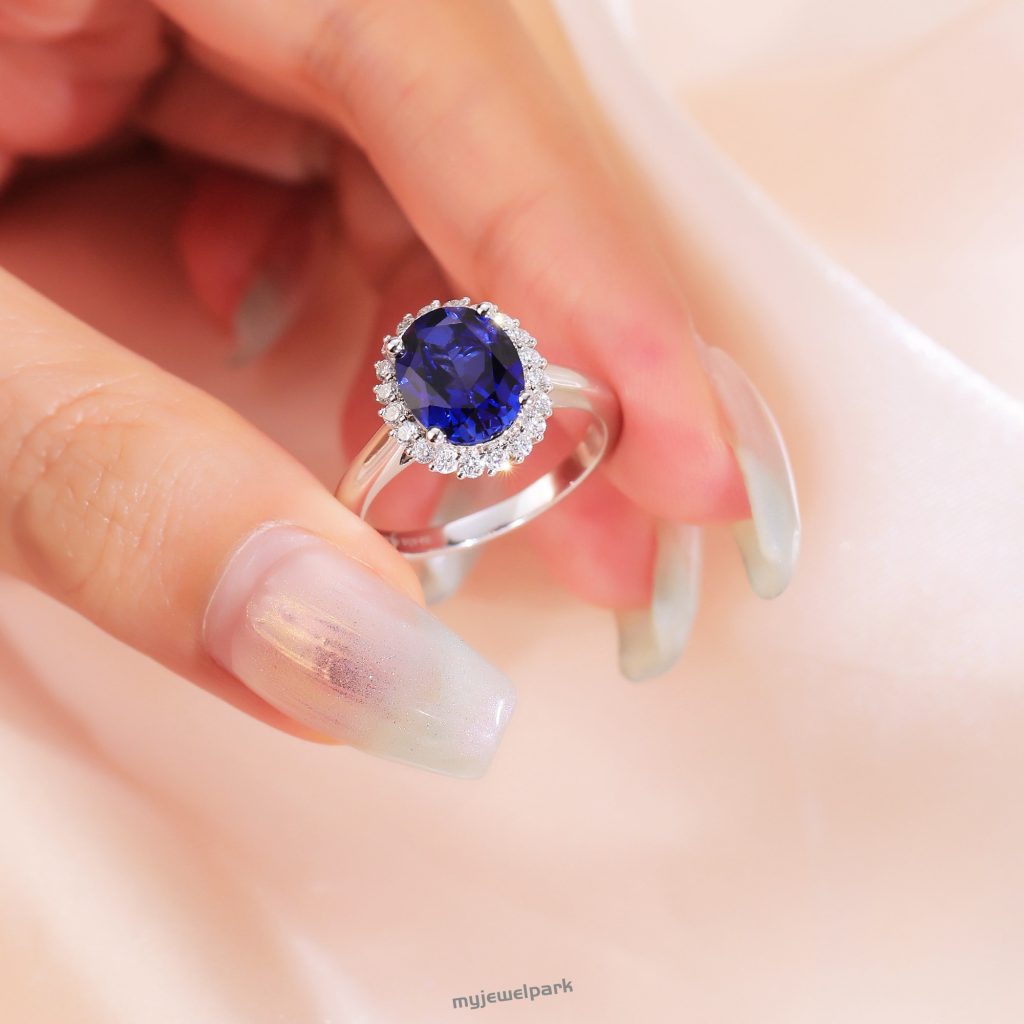
Engineered in controlled environments, these sapphires are identical in composition to natural stones but typically free from major flaws. They allow consumers to focus on the symbolic meaning or spiritual use without the risk of cracks or inclusions being misread as bad omens. A 2023 MVI Marketing study found that 63% of Gen Z buyers are open to lab-created sapphires, especially when used for astrological or spiritual purposes.
Lab-grown options also appeal to ethical and environmental values
These gems require no destructive mining and fit in with modern preferences for transparency. Searches for “lab-grown sapphire ring benefits” and “synthetic sapphire for astrology” have grown steadily. This suggests that people are moving away from rigid dogma and toward smart choices.
For many, wearing a blue sapphire ring is a deeply personal act—whether guided by belief or personal style. Finger placement may still matter, but more buyers now prioritize ethical sourcing, clarity, and compatibility over ancient rules.