Who Should Wear Purple Sapphire?
A Gem With a Polarizing Appeal
Purple sapphire isn’t a gemstone people feel neutral about. In a recent Reddit thread on r/Jewelry, users called it everything from “the most mysterious gem out there” to “a stone that tries too hard.” On TikTok, videos tagged #PurpleSapphire have racked up over 20 million views, with creators praising its “cosmic energy” or slamming it as “too gothic for everyday wear.” The truth? Purple sapphire is distinctive, but it’s not for everyone.
Personality and Color Psychology
According to the Pantone Color Institute’s 2023 Color Preference Report, purple is most favored by independent thinkers or creative professionals. It’s often associated with imagination, depth, and nonconformism. People who wear purple sapphire often seek a unique charm that goes beyond mainstream beauty standards. While sapphires symbolize royalty and reliability, purple gems attract those who pursue individuality. They are often favored by those in the fields of fashion, design, or spirituality.
Cultural Associations and Beliefs
Historically, purple stones were reserved for nobility. In ancient Persia, purple sapphires were believed to offer protection against deception. In Western astrology, they’re said to align with the crown chakra, encouraging mental clarity. A 2022 survey by the Gemological Institute of America (GIA) found that 42% of buyers interested in purple sapphire associated it with personal transformation or emotional healing—values that resonate with today’s mindfulness-oriented consumers.
Style Compatibility and Skin Tone
From a styling perspective, purple sapphires complement cool skin tones beautifully. People with pink or blue undertones often find that the gem enhances their complexion. Jewelers on Etsy and 1stDibs frequently recommend it for people who gravitate toward silver, platinum, or white gold settings. In contrast, those with warmer skin tones may find purple sapphires clash or appear dull, leading to mixed reviews on forums like PriceScope.
Gender-Neutral Appeal in Modern Markets
Another reason for its growing popularity is its neutrality. Unlike pink or blue stones, purple sapphire doesn’t carry strong gender associations. A 2024 retail study by the International Colored Gemstone Association reported a 27% rise in men’s jewelry featuring purple sapphires, particularly in rings and cufflinks. The gem’s versatility appeals to buyers seeking to avoid traditional color norms.
Why More Buyers Are Choosing Lab-Grown
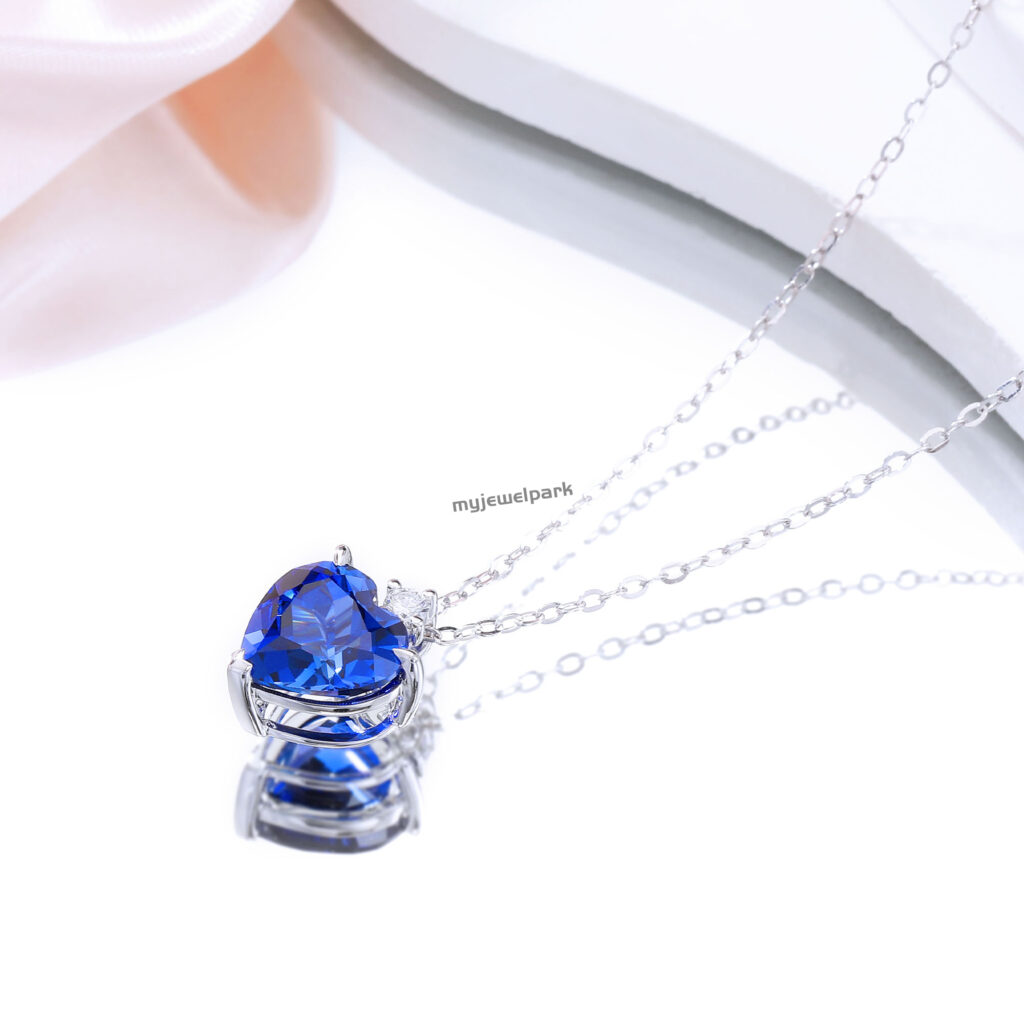
Natural purple sapphires are rare and expensive, often costing significantly more than blue or yellow varieties. This has driven interest in lab-grown options, which offer the same chemical composition and optical properties. In a recent poll by Brilliant Earth, 61% of respondents said they would consider lab-grown over natural if it meant better clarity and lower price.
Lab-grown sapphires are not imitations. They’re real corundum, grown under controlled conditions. Because the process allows for fine-tuning of hue and saturation, lab-grown purple sapphires often display a richer, more consistent color. They also score a perfect 10 in ethical sourcing, appealing to environmentally conscious buyers.
Retailers are catching on. Sales data from 2024 show that lab-grown purple sapphires now account for over 45% of total purple sapphire transactions in North America, a trend that continues to rise.
Final Thoughts
Purple sapphire suits wearers who want their jewelry to express personality over tradition. Whether natural or lab-grown, it stands out. For those bold enough to wear it, the stone speaks volumes—quietly, but with clarity.