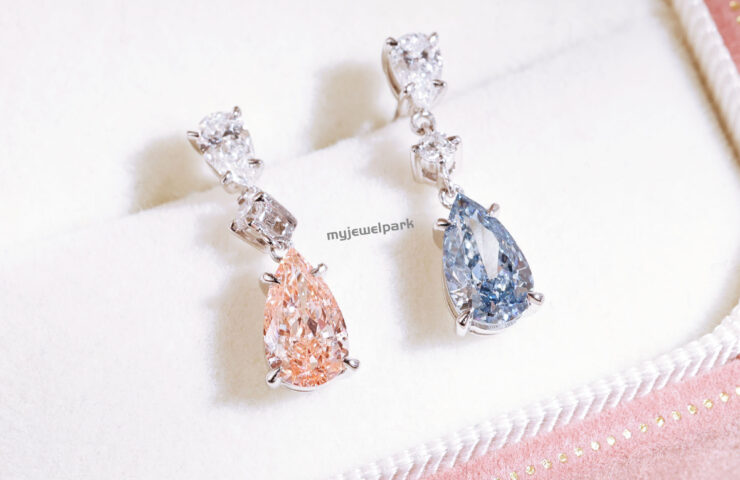
Why Lab Grown Emeralds Look Different in Photos: The Lighting Trap Explained
Ever ordered a lab grown emerald online only to receive a stone that looked completely different from the photos? You’re not alone. This visual inconsistency isn’t about dishonesty. It’s about lighting, photography techniques, and how emeralds, particularly lab created emeralds, interact with their environment.
1. The Role of Lighting in Gem Photography
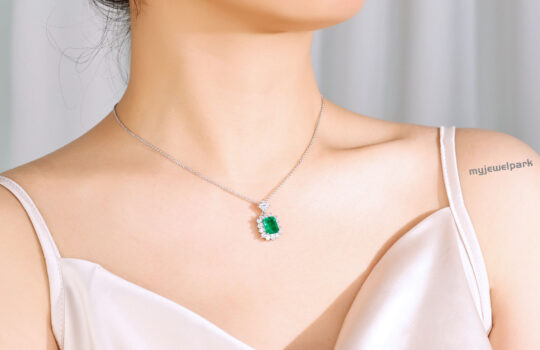
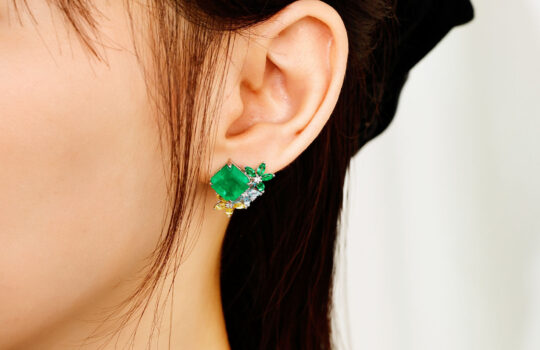
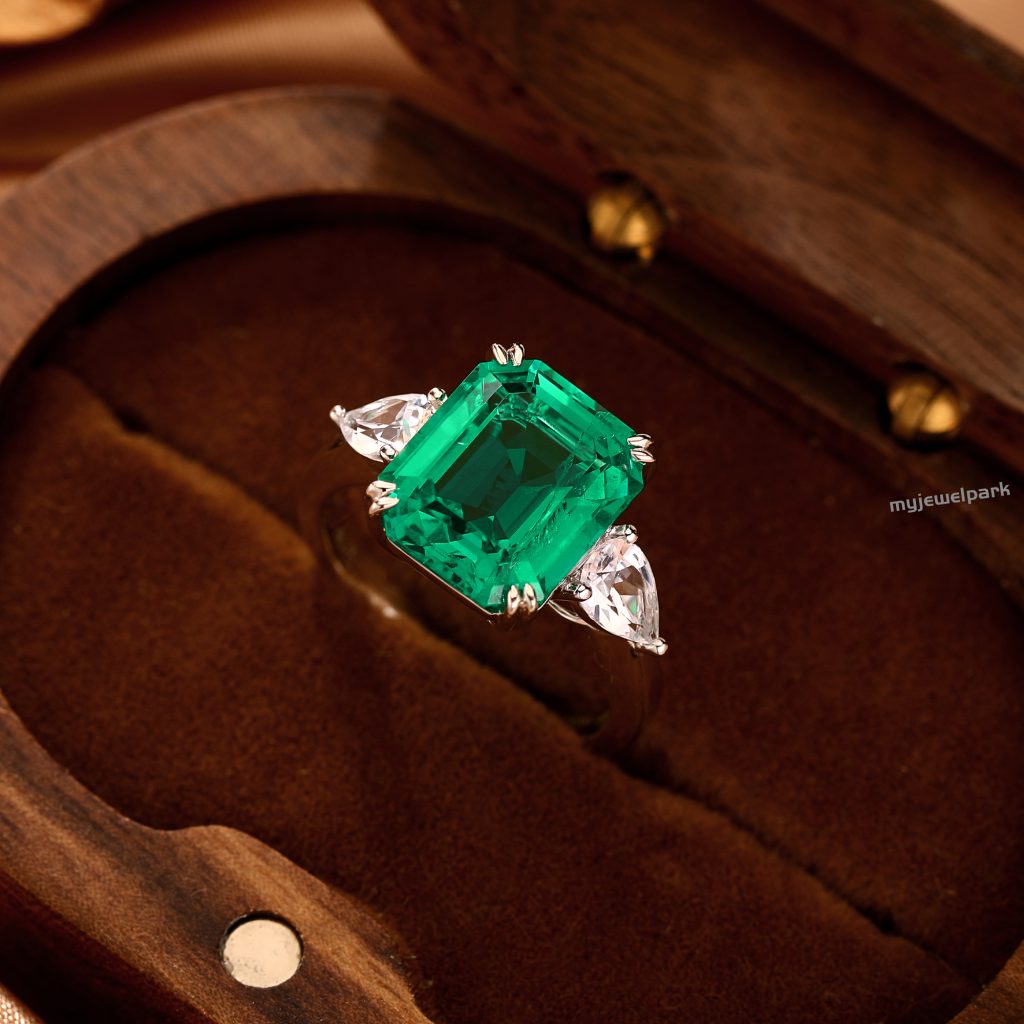
Emeralds, whether natural or lab grown, are known for their rich green hues, but they’re also notoriously tricky to photograph. Their color can shift dramatically depending on lighting. Cool LED lighting, for example, can make an emerald appear brighter and more saturated. Warm indoor lighting might mute its vibrancy.
What complicates matters further is the unique structure of emeralds. With their natural inclusions (also called jardin), the way light reflects and refracts inside the stone can vary significantly. Lab grown emeralds, which are now engineered with natural like inclusions and milky bodies, react to lighting in much the same way. However, they often appear cleaner or brighter in staged photography.
2. Why Do Lab Grown Emeralds Look Too Perfect?
Historically, one complaint about synthetic gemstones was that they looked “too perfect,” almost glassy, without the depth or inclusions seen in natural stones. That’s changed.
Today’s flux grown emeralds and other lab created gemstones are made with advanced methods that allow for internal characteristics similar to mined emeralds. These aren’t cheap simulants or glass filled fakes. They’re real emeralds in terms of chemical and physical composition.
However, high resolution images taken under studio lights can still overemphasize clarity and glossiness. So what you see online is often a best case scenario. This doesn’t mean the gem is low quality. It means you’re looking at it under ideal conditions.
3. Social Proof and Public Perception
Online discussions on Reddit and gem forums show a split opinion. Some buyers appreciate the flawless beauty and ethical production of lab grown emeralds. Others are surprised when their gem doesn’t match the hyper saturated product photo.
Interestingly, many consumers now expect lab grown emeralds to be more vibrant, associating that brightness with value, even if it’s a trick of the lighting. The psychological satisfaction of wearing a lab created gem often lies in the idea of innovation, sustainability, and transparency.
According to a 2023 GIA consumer study, 58% of millennials and Gen Z buyers are more likely to buy a gemstone if it’s lab grown and ethically sourced, even if it looks slightly different in person.
4. The New Standard for Lab Grown Emeralds

What’s exciting is how technology has caught up to taste. New lab emeralds now come with inclusions, texture, and body color that mimic the best natural examples. Gone are the days of flat, glassy stones. Instead, we have eco conscious, high performance emeralds that can stand next to their mined cousins.
Look Beyond the Photo
If a lab-grown emeralds look different when it arrives than in the photos, it’s likely due to light traps, not flaws. Remember, a truly fine emerald, whether lab-grown or natural, has character, not perfection.
Have you ever received a gemstone that looked different from its photo? What was your reaction? Drop your experience in the comments below!