The 3-Second Test to Spot Fake Lab Sapphires
Lab-grown sapphires are rising in popularity, offering an ethical and affordable alternative to mined gemstones. But with this demand comes a problem—fake lab sapphires flooding the market. Whether you’re shopping for a sapphire engagement ring or a statement piece, knowing how to spot fake lab Sapphires in seconds can save you from disappointment.
What Is a Fake Lab Sapphire?
A genuine lab-grown sapphire is chemically, physically, and optically identical to a natural sapphire. It is created using advanced processes like the Verneuil method, the hydrothermal method, or the Czochralski process to replicate natural gemstone formation. However, fake lab sapphires are often misrepresented materials like colored glass, cubic zirconia, or synthetic spinel that look similar but lack sapphire’s durability and brilliance.
The 3-Second Test: How to Spot a Fake Lab Sapphire
1、Look for Too Much Sparkle (The “Diamond Effect”)
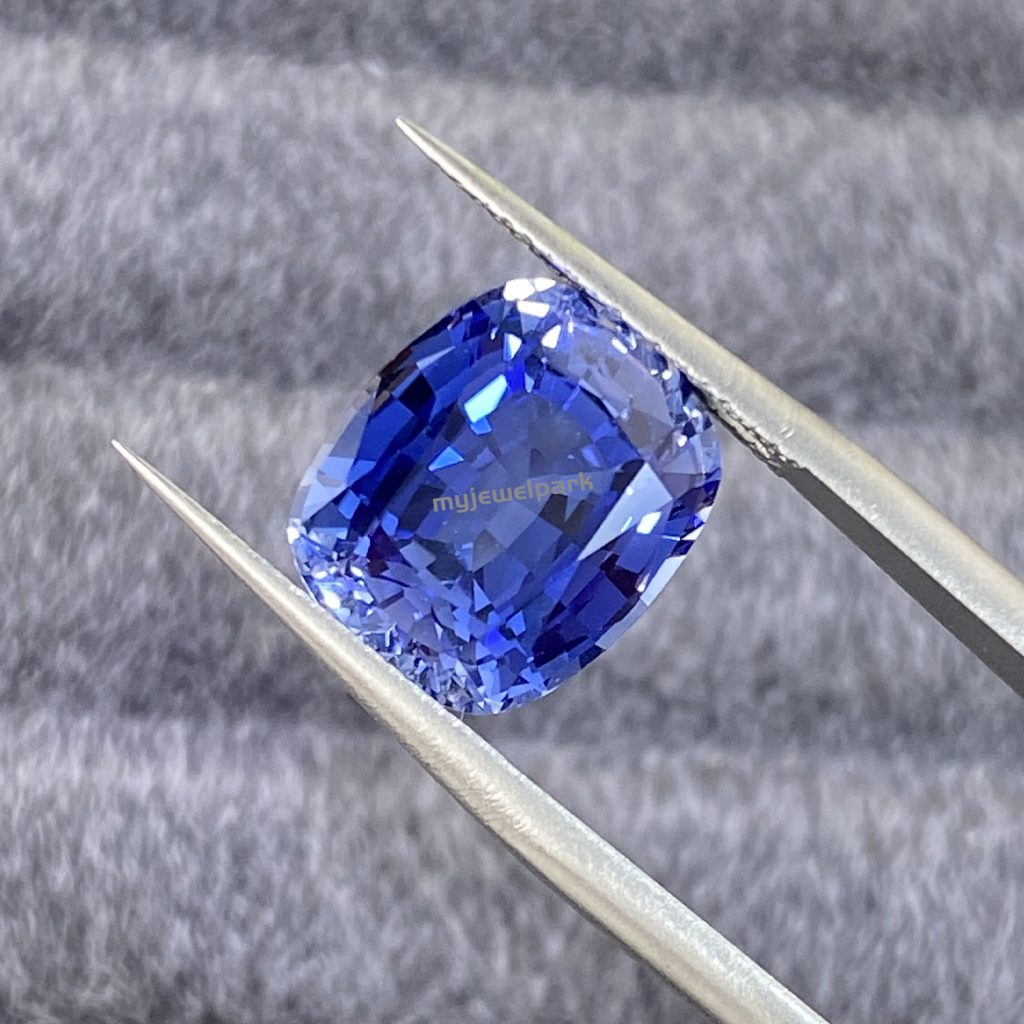
Real sapphires—whether natural or lab-grown—have a strong but subtle brilliance. They reflect light in a deep, rich way.
Fakes like cubic zirconia or glass tend to sparkle excessively, almost like a diamond. If your sapphire is throwing off an overly bright, rainbow-like reflection, it may not be genuine.
2、Check for Bubbles
A real sapphire, whether natural or synthetic, will not have air bubbles inside. These bubbles are a telltale sign of glass imitations.
Hold the stone up to a light and examine it with a magnifying glass—if you see tiny bubbles, it’s not a real sapphire.
3、Test the Hardness with a Scratch Test (If Safe to Do So)
Sapphires are extremely hard, ranking 9 on the Mohs hardness scale—just below diamonds.
A real sapphire won’t scratch easily, but a fake one made of glass or a lower-grade material will show signs of wear.
If you already own the piece and don’t mind testing it, try scratching it lightly with a steel knife (which ranks around 5.5 on the Mohs scale). If it scratches, it’s not a true sapphire.
Why Fake Sapphires Are a Growing Problem
With the rise of online marketplaces and unregulated sellers, fake gemstones are becoming more common. Some sellers even market colored glass as “synthetic sapphires”, misleading buyers. Without proper knowledge or certification, it’s easy to be tricked.
How to Ensure You’re Buying a Genuine Lab Sapphire
1、Buy from reputable jewelers with certifications from trusted gemological institutions like the Gemological Institute of America (GIA) or the International Gemological Institute (IGI).
2、Request full disclosure—a trustworthy seller will always specify whether the sapphire is natural, lab-grown, or a simulant.
3、Compare prices—if a deal seems too good to be true, it probably is.
Why Lab-Grown Sapphires Are Still the Best Choice
High-quality lab-created sapphires are virtually identical to natural ones but come with major advantages:
100% Conflict-Free – No unethical mining practices involved.
Eco-Friendly – Less environmental impact compared to traditional mining.
More Affordable – Get a stunning, real sapphire for a fraction of the price.
According to industry research, over 70% of millennials prefer lab-grown gemstones due to their sustainability and cost-effectiveness. The key is ensuring you’re buying a genuine lab sapphire—not a cheap imitation.
Trust But Verify
The 3-second test is a great first step in spot fake lab sapphires, but the best way to ensure authenticity is to buy from a trusted source. Have you ever come across a fake gemstone while shopping? Share your experience in the comments below!