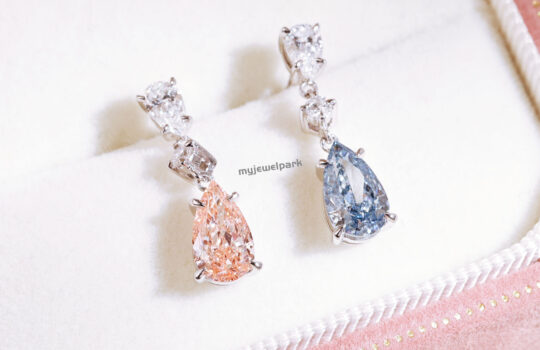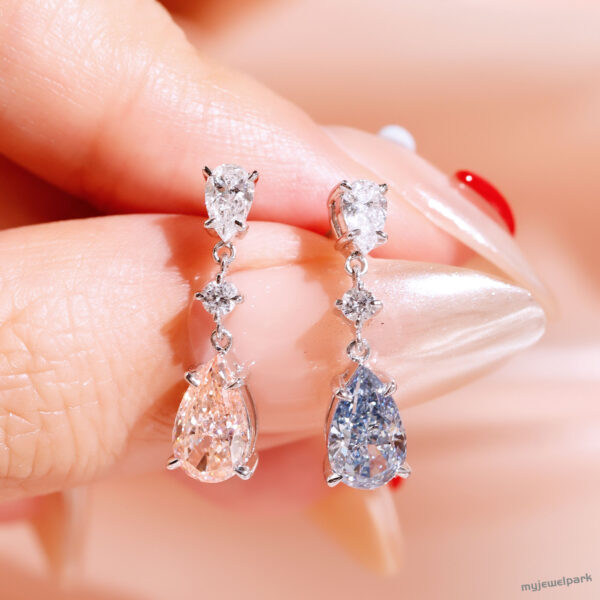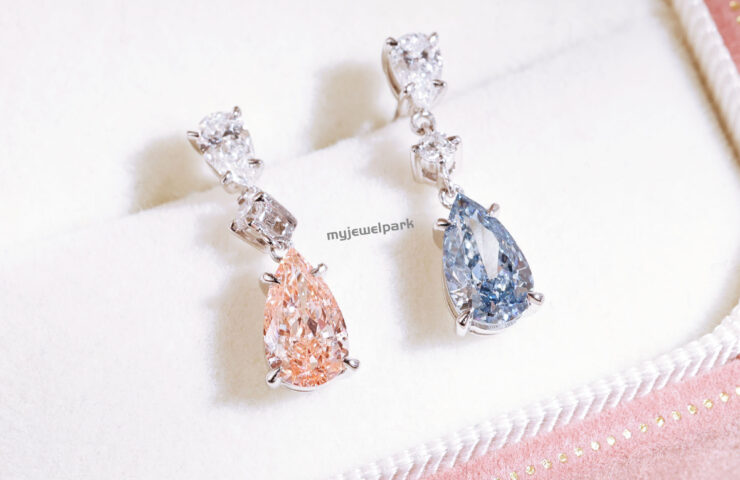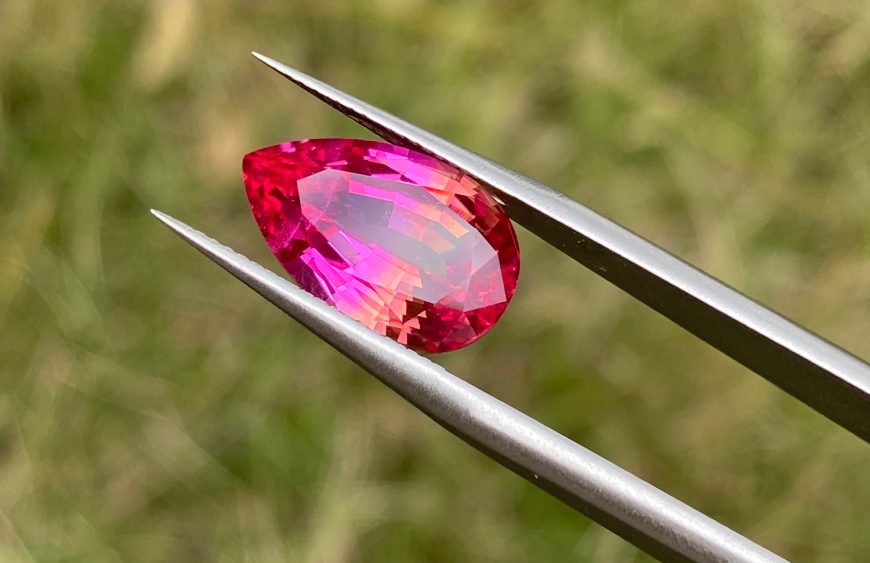
Why Your Pink-Blue Sapphire Glows Like a Disco Ball Under UV Light
If you’ve ever taken your pink-blue sapphire into a dark room and shined a UV light on it, you may have been surprised to see it glow like a neon disco ball. But why does this happen? And does it mean your sapphire is fake? The answer lies in the fascinating world of gemstone fluorescence.
1. Why Does Your Sapphire Glow Under UV Light?

The glow effect—also known as fluorescence—occurs because of trace elements inside the sapphire that react to ultraviolet (UV) light. In pink-blue sapphires, the most common causes of fluorescence are:
Chromium: This element, which gives pink sapphires their beautiful color, is also responsible for their bright red or pink glow under UV light.
Titanium and Iron: These elements can sometimes suppress fluorescence, which is why blue sapphires typically do not glow as much as pink ones.
Synthetic Growth Process: Some lab-grown sapphires may exhibit stronger fluorescence due to controlled conditions during their formation, leading to a more intense neon effect.
Tip: A glowing sapphire under UV light does not mean it’s fake! In fact, some of the most valuable natural sapphires—especially from Burma—show strong fluorescence.
2. Natural vs. Lab-Grown Sapphires: Does Fluorescence Matter?
Both natural and lab-grown sapphires can glow under UV light, but the intensity can differ based on how they were formed:
Natural Pink-Blue Sapphires: These may show medium to strong fluorescence due to naturally occurring chromium.
Lab-Grown Sapphires: Often exhibit more intense fluorescence because they are grown in controlled environments with purer trace elements.
Some jewelers and gem collectors actually appreciate fluorescence, as it can make a gemstone more unique and visually stunning.
3. Is a Fluorescent Sapphire More Valuable?
In the world of sapphires, fluorescence can be a desirable or neutral trait, depending on personal preference and the gemstone’s origin. Burmese sapphires, for example, are known for their strong fluorescence and are highly valued.
However, some buyers associate strong fluorescence with lab-created stones, leading to skepticism when a sapphire glows too brightly. That’s why it’s essential to verify authenticity with proper gem certification from organizations like the Gemological Institute of America (GIA) or the International Gemological Institute (IGI).
4. The Psychological Appeal of a Fluorescent Sapphire
Did you know that gemstones with fluorescent properties are often considered more magical and mysterious? People are drawn to glowing gemstones because they symbolize transformation, energy, and hidden beauty. These qualities make them even more special.
With more consumers choosing lab-grown sapphires for their ethical and sustainable benefits, the appreciation for fluorescence is increasing. According to market research, over 70% of younger buyers prefer lab-created gemstones because they offer high quality with a lower environmental impact.
Should You Be Concerned About Fluorescence?
If your pink-blue sapphire glows strongly under UV light. There’s no need to worry, it’s just the result of naturally occurring trace elements or the synthetic growth process. Whether natural or lab-grown, a glowing sapphire is a beautiful and unique feature, not a flaw.
Do you love the fluorescence in your sapphire, or do you prefer a gemstone without this effect? Share your thoughts in the comments below!