What Is the Difference Between Heat-Treated and Untreated Sapphires?
Sapphires have long been cherished for their brilliance and durability, but not all sapphires are the same. Many undergo heat treatment to enhance their color and clarity, while untreated sapphires remain in their natural state. With increasing interest in lab-grown gemstones, understanding the differences between heat-treated and untreated sapphires is essential for buyers seeking ethical and high-quality options.
1. What Is Heat Treatment in Sapphires?
Heat treatment is a widely accepted process used to improve a sapphire’s color saturation and clarity. By exposing the gemstone to high temperatures (ranging from 1,600°C to 1,800°C), internal impurities are diffused, and the stone’s natural hues are intensified.
Most commercially sold natural sapphires undergo this process since unheated stones with top-tier color are extremely rare. According to the Gemological Institute of America (GIA), over 90% of sapphires on the market have been heat-treated.
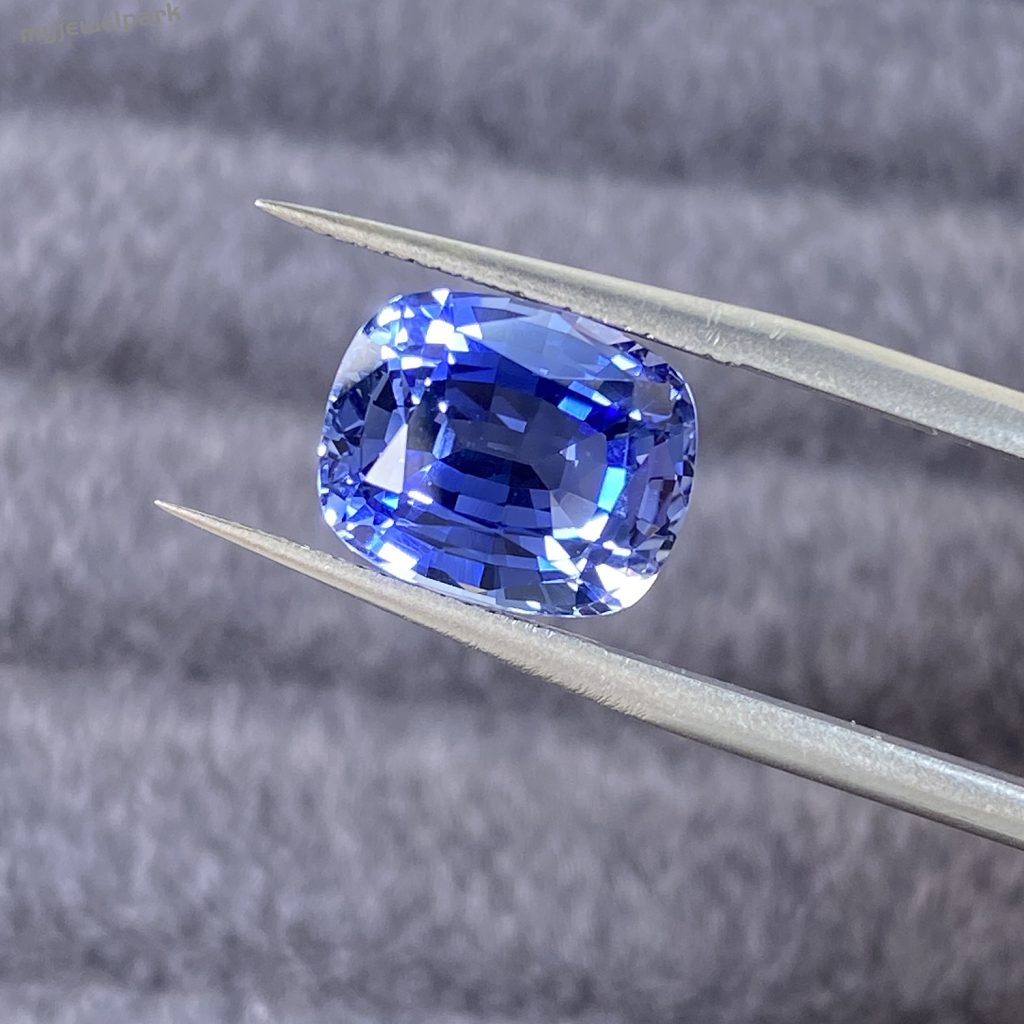
2. What Are Untreated Sapphires?
An untreated sapphire has not been subjected to any form of artificial enhancement beyond basic cutting and polishing. These gems often contain visible inclusions and subtle color variations, making each piece unique. Because of their rarity, high-quality untreated sapphires command premium prices, especially if they display rich, naturally vibrant colors.
3. How to Tell the Difference Between Heat-Treated and Untreated Sapphires?
Distinguishing between treated and untreated sapphires requires expert analysis. Gemological laboratories, such as GIA or the American Gem Trade Association (AGTA), use advanced spectroscopy and microscopic examination to detect telltale signs of heat treatment, such as the dissolution of rutile silk inclusions.
Lab-grown sapphires, on the other hand, offer an ethical and sustainable alternative while maintaining the beauty of both untreated and treated stones. With modern technology, scientists can now grow sapphires that replicate the natural inclusions and rich hues of their mined counterparts.
4. Psychological and Market Trends in Sapphire Preferences
The perception of gemstone value has evolved. While untreated sapphires are prized for their rarity, today’s consumers are prioritizing ethical sourcing and sustainability over traditional notions of gemstone purity.
According to a 2023 International Gem Society (IGS) report, nearly 70% of younger buyers prefer lab-created gemstones due to their conflict-free origins and environmental benefits. With their identical optical and chemical properties, lab-grown sapphires are becoming the preferred choice for those seeking beauty without compromise.
5. Why More Buyers Are Turning to Lab-Grown Sapphires
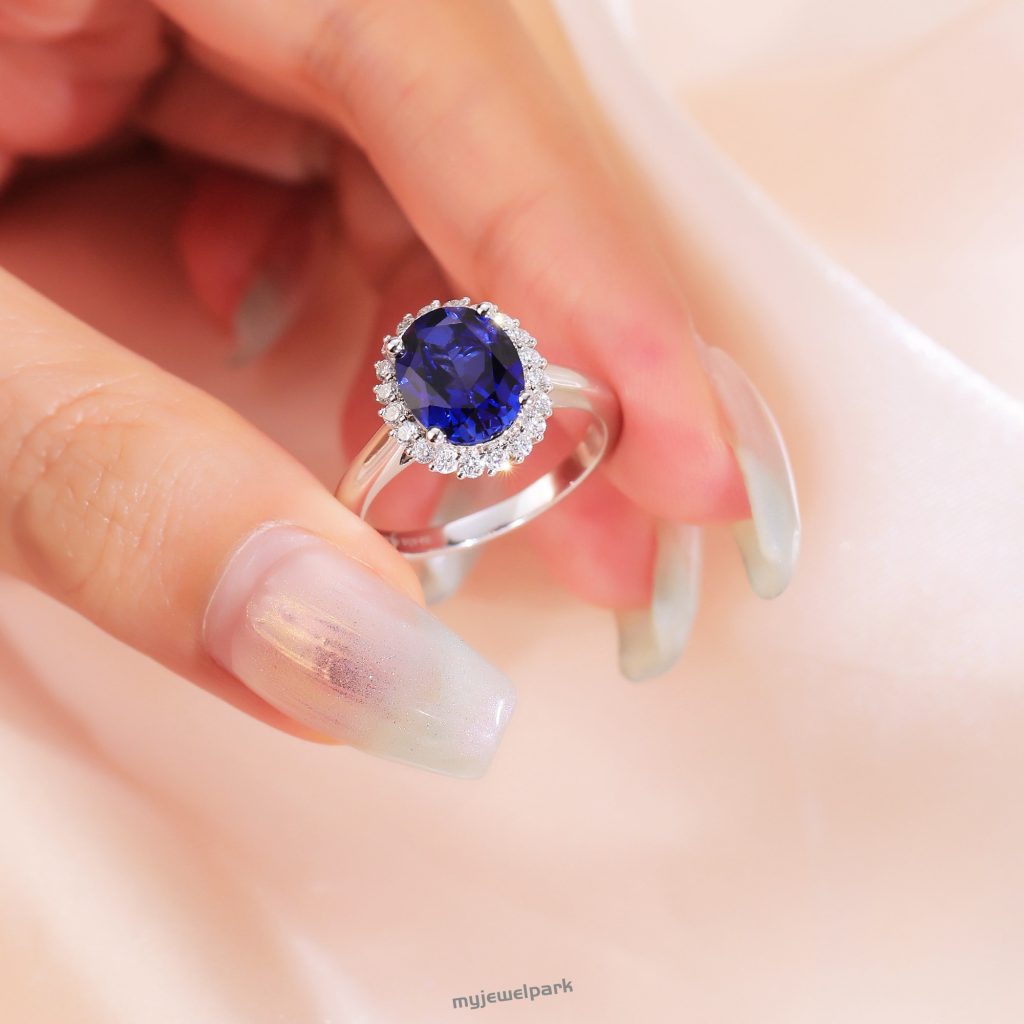
In the past, synthetic sapphires were dismissed as inferior, but today’s advancements in crystal growth technology have changed the narrative. Scientists can now produce sapphires that feature natural-looking inclusions and subtle color zoning, making them virtually indistinguishable from their mined counterparts.
Additionally, lab-grown sapphires are:
More affordable than untreated natural sapphires
Free from ethical concerns related to mining
Scientifically identical to natural sapphires
Which Sapphire Should You Choose?
The choice between heat-treated, untreated, and lab-grown sapphires depends on personal preference and values. While untreated sapphires are rare and sought-after, heat-treated sapphires offer enhanced beauty at a more accessible price. Meanwhile, lab-grown sapphires provide a modern alternative that combines affordability, ethics, and advanced gemological craftsmanship.
Would you choose a lab-grown sapphire over a natural one? Share your thoughts in the comments!