What Is the Best Diamond Simulant?
Diamond simulants are stones designed to mimic the look of a diamond without being the real thing. They are not synthetic diamonds, which have the same chemical makeup as natural diamonds, but rather alternatives that offer similar sparkle and brilliance at a much lower cost. Among the most popular options are cubic zirconia (CZ), moissanite, white sapphire, and yttrium aluminum garnet (YAG). The debate over which is best has become more active in recent years as consumer awareness grows and preferences shift.
How the Leading Simulants Compare
Cubic zirconia has long dominated the market as a low-cost alternative. It offers impressive brilliance when new but tends to scratch and cloud over time. CZ is softer than diamond, and this difference becomes noticeable after regular wear. White sapphire, another simulant, is more durable but lacks the fire and sparkle that many associate with diamond. Its visual effect is more muted, which appeals to some but disappoints others expecting a true diamond look.
Moissanite is currently the most debated and widely accepted simulant. It rates 9.25 on the Mohs hardness scale, making it more scratch-resistant than other options. Moissanite displays a rainbow-like fire that’s even more pronounced than diamond, though some viewers find the effect too colorful. Supporters praise its brilliance, strength, and ethical sourcing. Critics argue that its sparkle is “too perfect” and looks artificial in certain lighting.
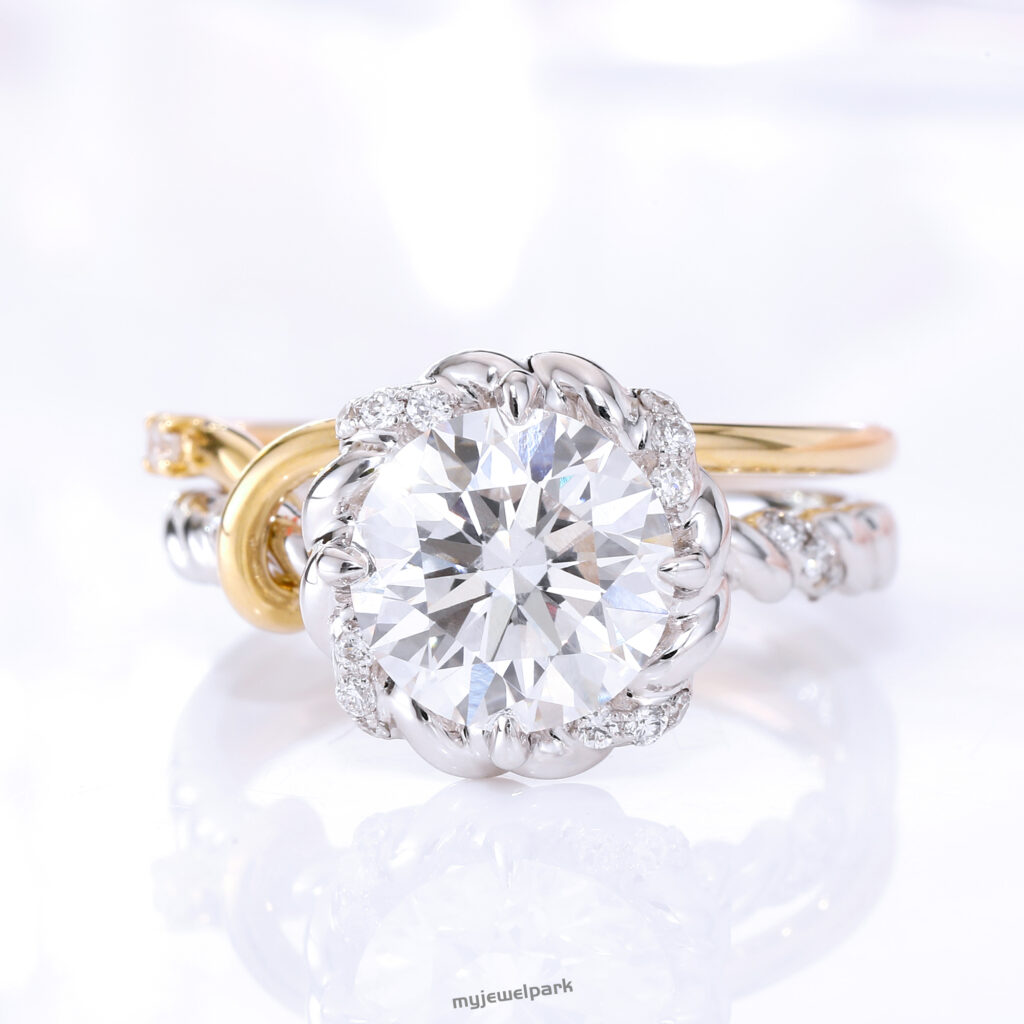
On platforms like Reddit and PriceScope, users frequently argue over moissanite’s aesthetics. One popular thread showed side-by-side images of a diamond and a moissanite ring. Some viewers preferred the moissanite for its brightness and affordability. Others said it looked “off” and could be easily spotted as a simulant. These debates highlight a split between those prioritizing visual performance and those seeking authenticity.
YouTube reviewers fuel the conversation with close-up comparisons and wear tests. Several influencers praise moissanite for holding up over years of use. Others question whether the money saved is worth it if the goal is to pass as a diamond. Comments often reflect this tension. Some buyers appreciate full disclosure and value-for-money. Others feel disappointed when their purchase doesn’t live up to expectations under scrutiny.
Why Lab-Grown Diamonds Shift the Conversation
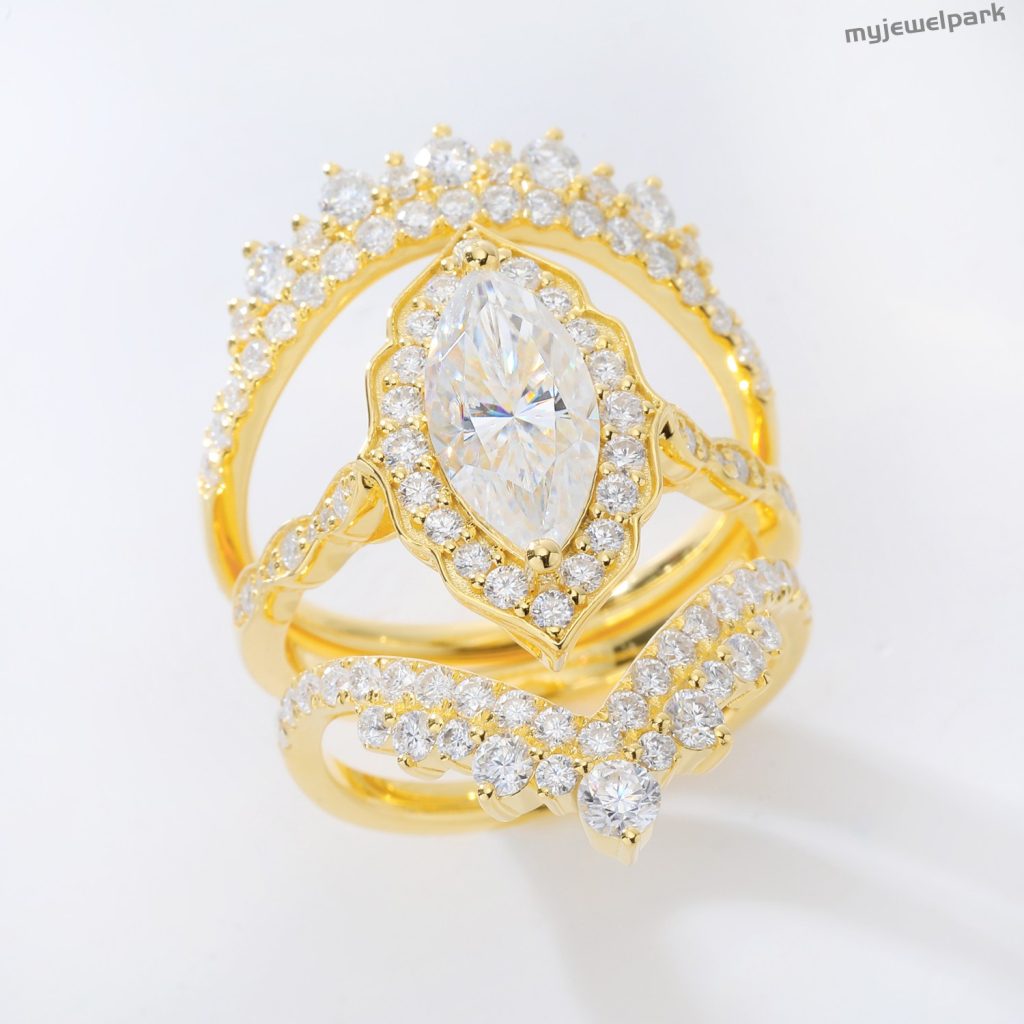
While simulants offer affordability, lab-grown diamonds eliminate the need to compromise. These are not simulants—they are real diamonds, produced under controlled conditions using carbon, just like those formed underground. They match natural diamonds in hardness, brilliance, and composition, and they can be certified by the same institutions.
A 2023 consumer study by the Gemological Institute of America found that 57% of buyers aged 25 to 40 would prefer a lab-grown diamond over a simulant. Key reasons included lasting value, ethical sourcing, and clarity in marketing. Buyers said they wanted transparency and performance, without the risks of being misled by materials that only look like diamonds from a distance.
Lab-grown diamonds offer the sparkle, durability, and certification that simulants can’t fully deliver. For buyers who want a lasting, authentic alternative to mined diamonds without paying traditional retail prices, they now represent the clearest choice.