Which Is Better, Ruby or Spinel?
Ruby and spinel are both striking red gemstones, often compared for their beauty, durability, and value. While ruby has long held a dominant place in the gemstone market, spinel has gained attention in recent years as a vibrant, cost-effective alternative. Each stone offers unique advantages, and the choice between them depends on what a buyer values most—heritage, price, rarity, or performance.
Differences in Composition and Appearance
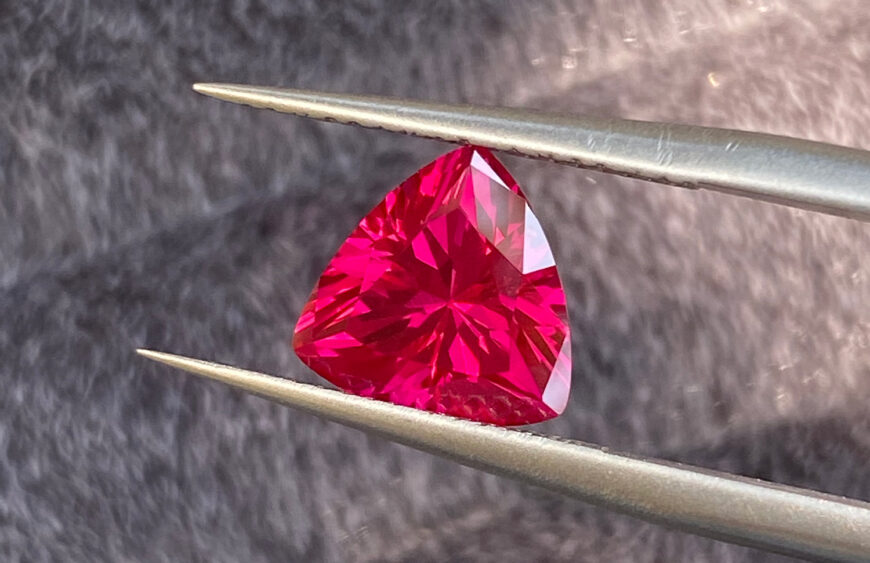
Ruby is a variety of corundum, colored red by traces of chromium. Spinel is a separate mineral species composed of magnesium aluminum oxide. Visually, both can appear in saturated red hues. The brightest spinels are nearly indistinguishable from rubies to the untrained eye. However, rubies often carry more depth in tone, sometimes with a slightly bluish or purplish undertone. Spinels tend to display a cleaner, more open red, sometimes with a vivid fluorescence under natural light.
Rubies are harder, ranking 9 on the Mohs scale. Spinel follows closely at 8, still strong enough for daily wear. In terms of clarity, spinel usually has fewer inclusions than ruby. High-quality rubies often show internal features, sometimes reducing transparency but adding character. That difference is valued differently depending on the buyer. For many collectors, the natural inclusions in ruby are part of its identity.
Market Reputation and Consumer Debate
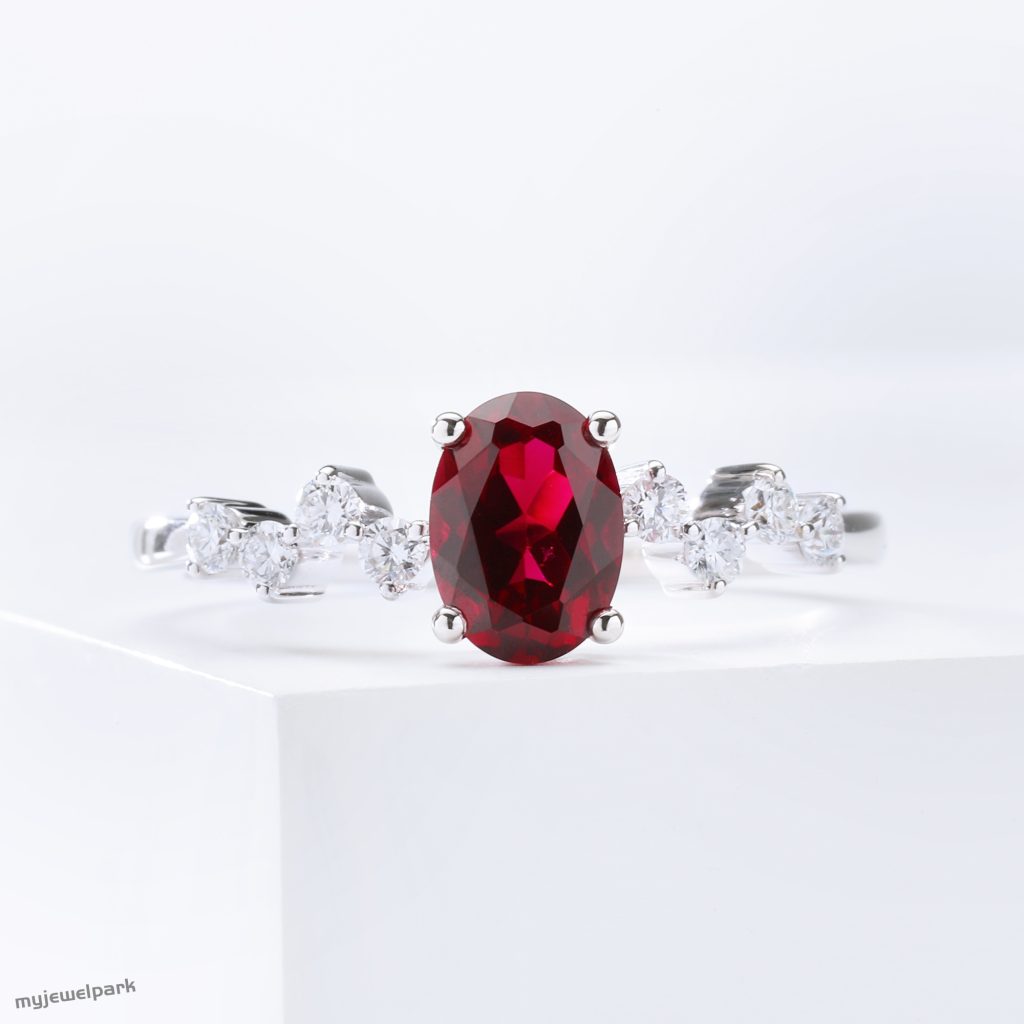
Ruby enjoys unmatched historical prestige. It has long been associated with power, royalty, and high spiritual value. Because of this, ruby prices remain far higher than spinel. But not all buyers agree on whether the markup is justified. On forums like Reddit and PriceScope, heated discussions unfold over whether ruby’s status outweighs its visual similarities to spinel.
One user posted side-by-side photos of a lab-certified ruby and a spinel of similar size and color. The ruby was priced at four times the cost. Some commenters felt the ruby had more visual weight and richness. Others argued that the spinel looked cleaner and offered better value. The thread turned into a broader debate about branding, perception, and whether historical value still matters in a changing market.
YouTube reviewers also address this divide. Some creators argue that spinel is the industry’s “best-kept secret,” offering brilliance and saturation without the inflated pricing of ruby. Others maintain that ruby remains the benchmark, not just for its color but for its enduring cultural symbolism.
Lab-Grown Stones Are Reshaping the Choice
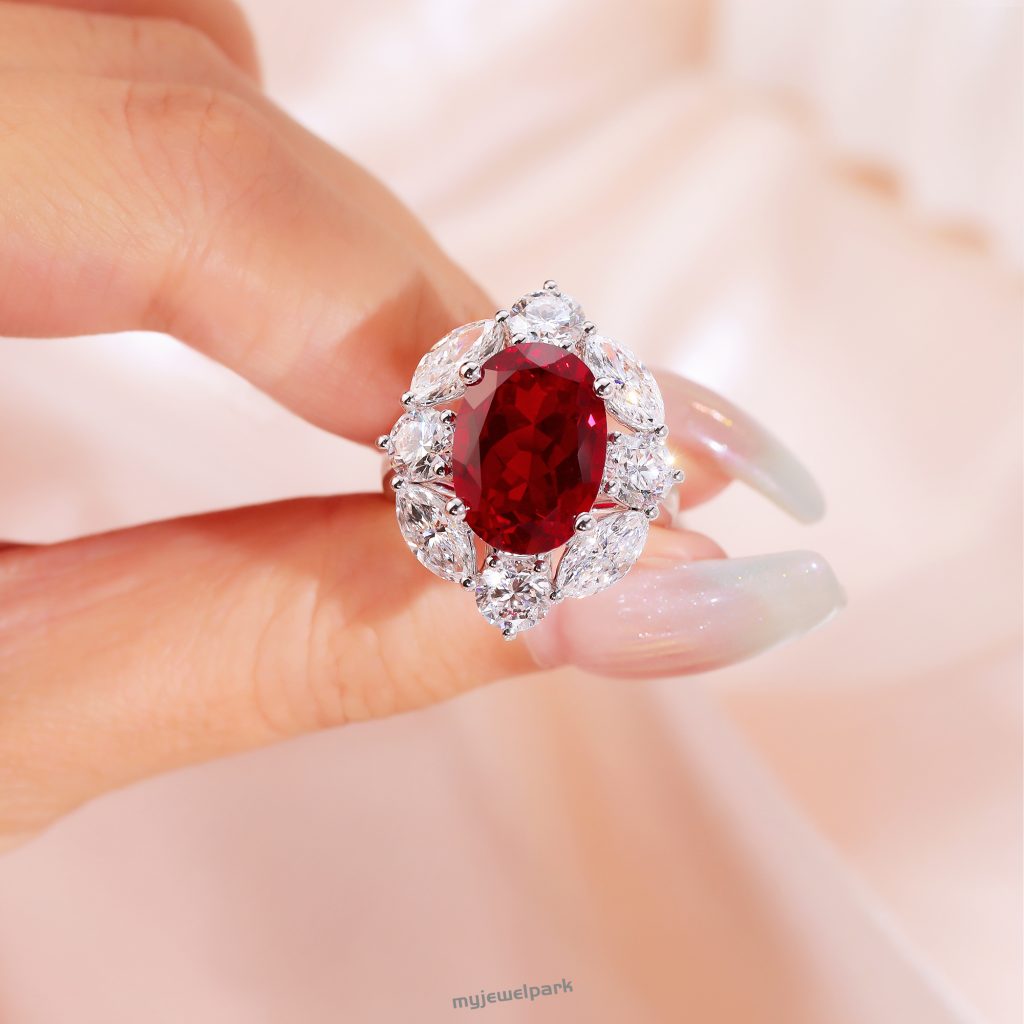
Laboratory-grown gemstones offer a new way to compare ruby and spinel without price distortion. Lab-grown rubies have the same chemical composition and durability as mined rubies, but without the extreme cost. The same applies to lab-grown spinel, which retains its natural structure while being more affordable and consistently graded.
A 2023 report from the Gemological Institute of America found that 55% of buyers aged 25 to 40 were more likely to consider lab-grown rubies or spinels for future purchases. Reasons included ethical sourcing, transparency, and cost efficiency. Many also mentioned previous confusion or frustration with gemstone identification as a motivator.
Lab-grown options allow buyers to focus on appearance and performance, not inflated pricing or uncertain origin. Whether choosing ruby for its legacy or spinel for its clarity and value, lab-grown stones give consumers confidence in what they’re paying for.