Can Tourmaline Be Grown in a Lab
Tourmaline is a gemstone known for its wide range of colors and strong pleochroism, which gives it visual depth depending on the angle of light. Its natural variety and complexity make it highly valued by collectors and jewelry lovers. But as demand grows and the mining supply becomes less predictable, interest in lab-grown tourmaline has increased. While it is technically possible to create synthetic tourmaline in a laboratory, the process is complicated, costly, and rarely done at commercial scale.
Scientific Challenges of Synthetic Tourmaline
Tourmaline is not a single mineral but a group of boron silicates with variable composition. Its chemical formula changes depending on trace elements like iron, manganese, lithium, or copper, which affect the final color. This makes it harder to replicate than corundum or beryl. Creating a stable crystal with the right optical and physical properties requires precise temperature, pressure, and chemical balance.
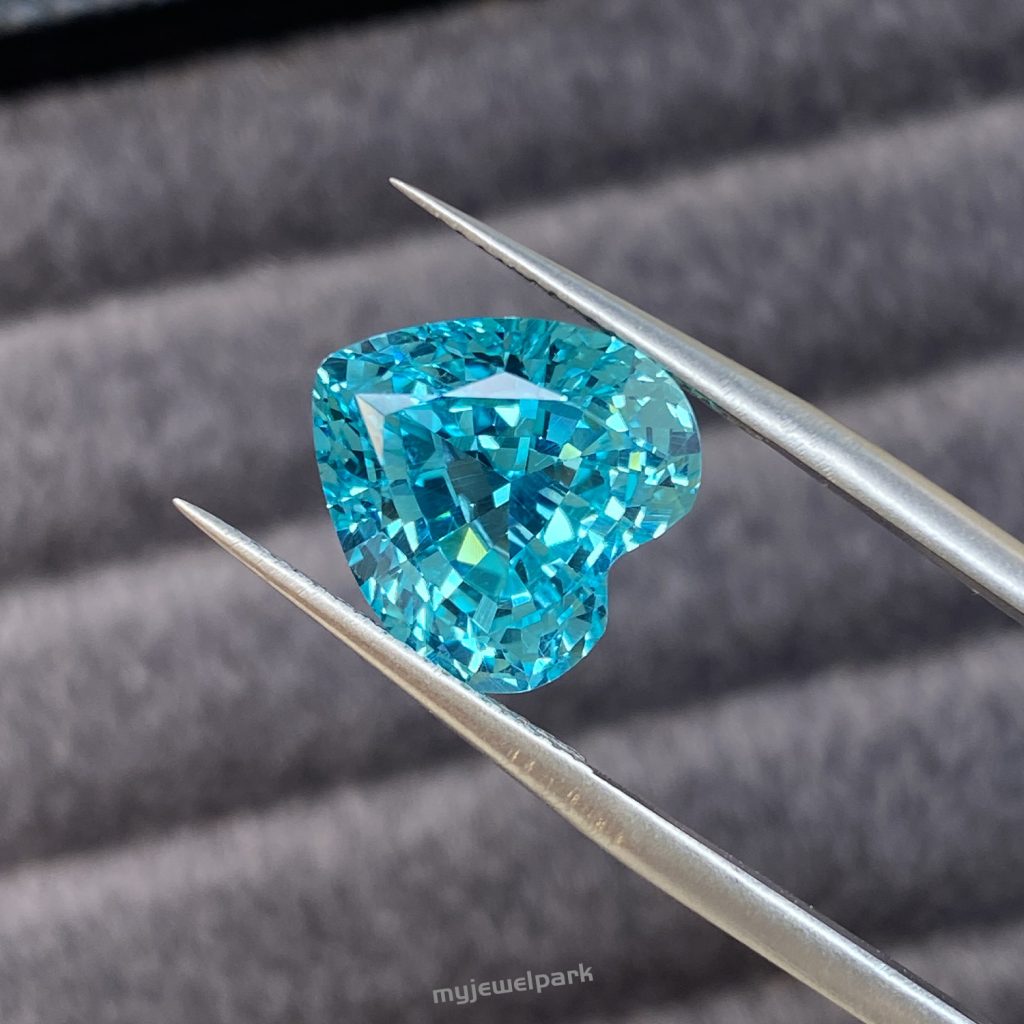
In a lab, tourmaline has been synthesized successfully using the hydrothermal method, which mimics natural formation by growing crystals from superheated water under pressure. However, this method is slow and expensive. Most synthetic tourmaline ever produced has been for research or display rather than mass-market jewelry.
The Gemological Institute of America has confirmed the existence of lab-grown tourmaline but states that it is extremely rare in the consumer market. When synthetic material does appear, it is usually labeled correctly, although concerns exist about undisclosed stones entering resale channels.
Confusion and Speculation in Online Communities
On platforms like Reddit and The Gemology Project, threads occasionally pop up questioning whether certain brightly colored tourmalines are natural. In one discussion, a user posted a photo of an intensely vivid pink stone that looked flawless. Some commenters suggested it could be synthetic. Others argued it was simply a well-cut rubellite with minor treatment.
The comments revealed confusion not just about lab-grown stones but also about common enhancements. Many buyers mistake irradiated or heat-treated stones for synthetic ones. Some assume that if a stone is too clean or too bright, it must be artificial. Sellers often fuel this confusion by using unclear language in listings. Phrases like “man-made” or “created” are sometimes applied to treated natural tourmaline, even when the crystal itself is not lab-grown.
YouTube videos exploring the topic often include speculative titles such as “Is This Tourmaline Real?” or “Synthetic Tourmaline vs Natural.” While some creators provide clear side-by-side comparisons, others rely on visual guessing, which can mislead viewers. The comment sections often include arguments about whether true lab-grown tourmaline is even available to the public.
Advantages of Controlled Growth in Related Stones
While tourmaline synthesis remains rare, its challenges highlight the benefits of lab-grown alternatives in other gemstone families. Emeralds, for example, can be grown using natural embryos in controlled conditions. These cultivated emeralds form with internal textures, cream bodies, and surface fissures similar to mined stones. The ability to control growth allows labs to match natural features with greater consistency and fewer risks.
A 2023 report by the Gemmological Association of Great Britain showed that 56 percent of younger gemstone buyers preferred lab-grown stones when structural transparency was available. Most valued visual accuracy, ethical sourcing, and clear documentation over origin alone.
Though lab-grown tourmaline is not widely accessible yet, it represents a growing interest in precision-grown stones. For buyers seeking quality without mining uncertainty, lab-grown gems offer a glimpse of what the future of gemology could become.