Are Rubies Worth More Than Amethyst? Exploring Gemstone Values and the Rise of Lab-Grown Alternatives
Historically
Rubies have been esteemed for their vibrant red hues and rarity, often commanding higher prices than amethyst, which is valued for its rich purple tones but is more abundant. This scarcity has traditionally made rubies more precious in the gemstone market.
Major Shift
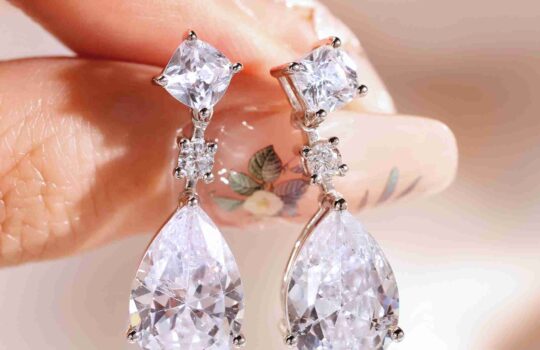
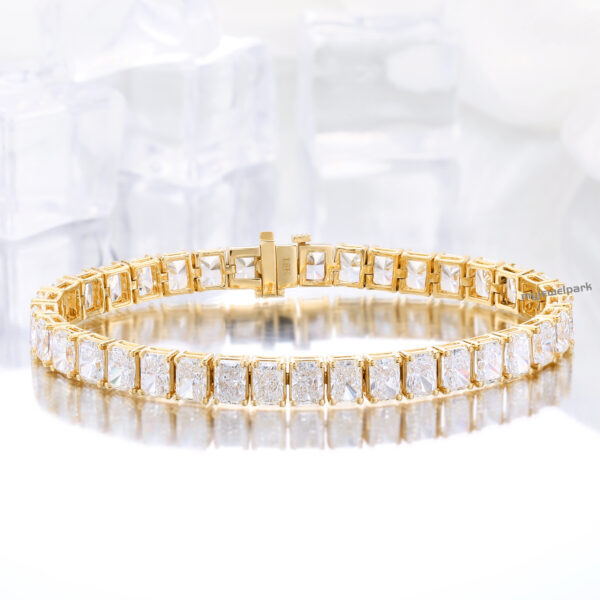
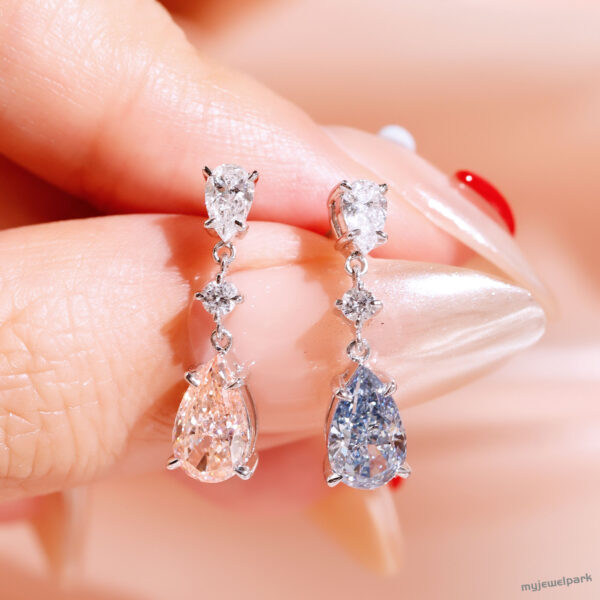
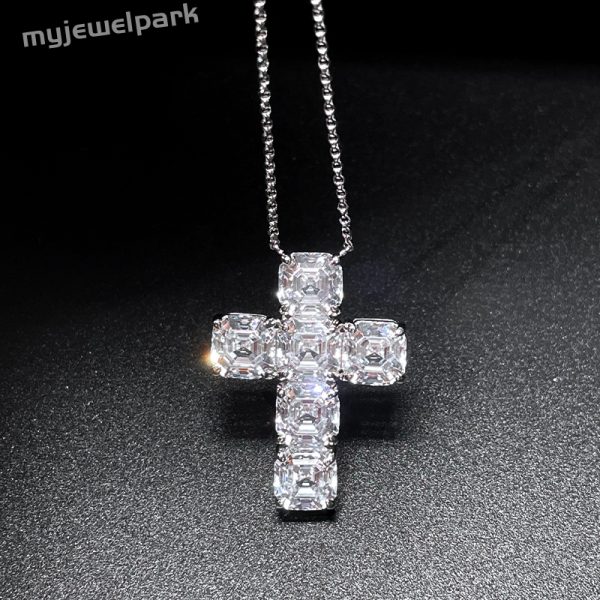
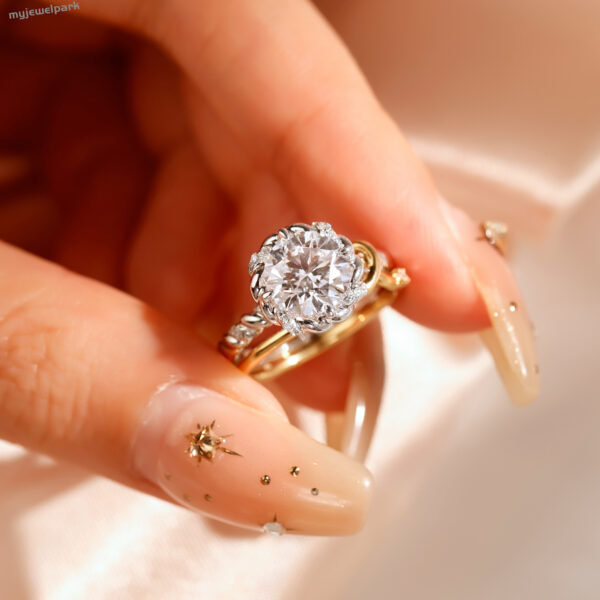
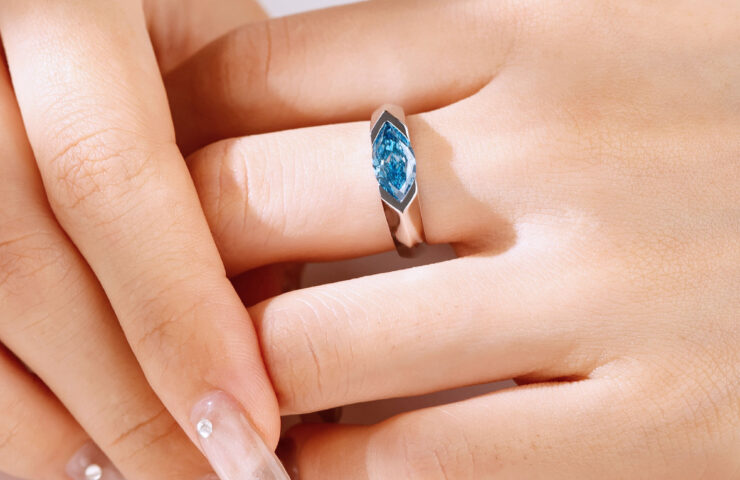
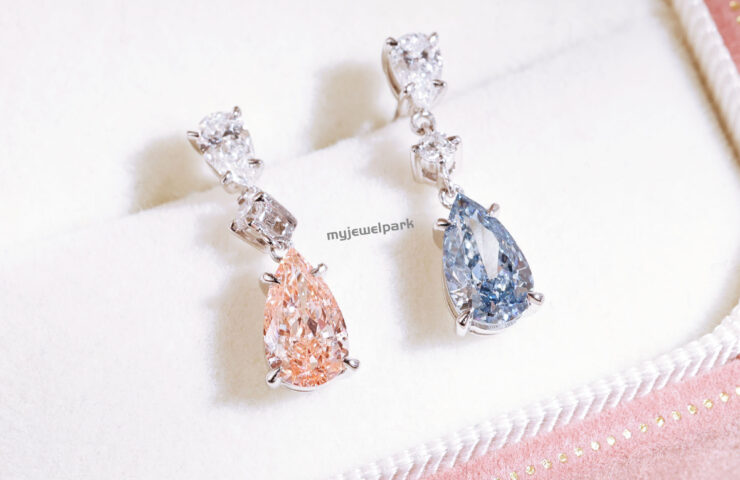
However, the jewelry industry is witnessing a significant shift with the advent of lab-grown gemstones. These synthetic gems, produced through advanced technological processes, are chemically and physically identical to their natural counterparts. Notably, lab-grown diamonds have seen a remarkable surge in popularity, accounting for approximately 53% of the diamond market by 2024, reflecting a substantial shift in consumer preferences.
Consumers are increasingly drawn to lab-created gems for several reasons:

Affordability: Lab-grown gemstones are generally more affordable than natural ones, allowing consumers to obtain larger, higher-quality stones or opt for more elaborate designs within their budget.
Ethical Considerations: These gems are produced without the environmental degradation and ethical concerns associated with traditional mining practices, appealing to socially conscious buyers.
Quality and Appearance: Advances in technology have made it possible to create lab-grown gems that are virtually indistinguishable from their natural counterparts, possessing the same physical, chemical, and optical properties.
The psychological impact of wearing gemstones also plays a role in consumer choices.
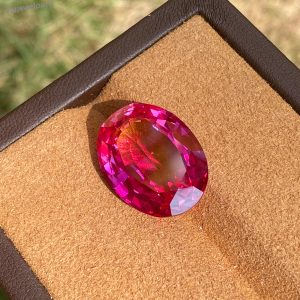
Jewelry often symbolizes personal milestones, emotional connections, and individual style. Lab-grown gemstones, offering both beauty and ethical production, can enhance emotional well-being by aligning with the wearer’s values and reducing financial stress.
While natural rubies have traditionally been more valuable than amethysts due to their rarity. But the rise of lab-grown gemstones is redefining value in the jewelry market. Consumers now have access to high-quality, ethically made gemstones that are both beautiful and affordable. This shift is encouraging people to take a broader view of why gemstones are truly valuable, going beyond scarcity to encompass ethical and personal considerations.
What are your thoughts on this evolving landscape? Do you prioritize traditional rarity, or do the benefits of lab-grown gems resonate more with your values?