Ruby vs. Garnet: How to Tell the Difference
Rubies and garnets can appear nearly identical with their rich red hues. However, these two gemstones have distinct characteristics that make them easy to differentiate if you know what to look for. Whether you’re a jewelry enthusiast, collector, or simply curious, these key differences will help you identify whether your gemstone is a ruby or a garnet.
1. Color: Vivid Red vs. Deep Wine
Color is one of the most reliable ways to distinguish between the two gemstones:
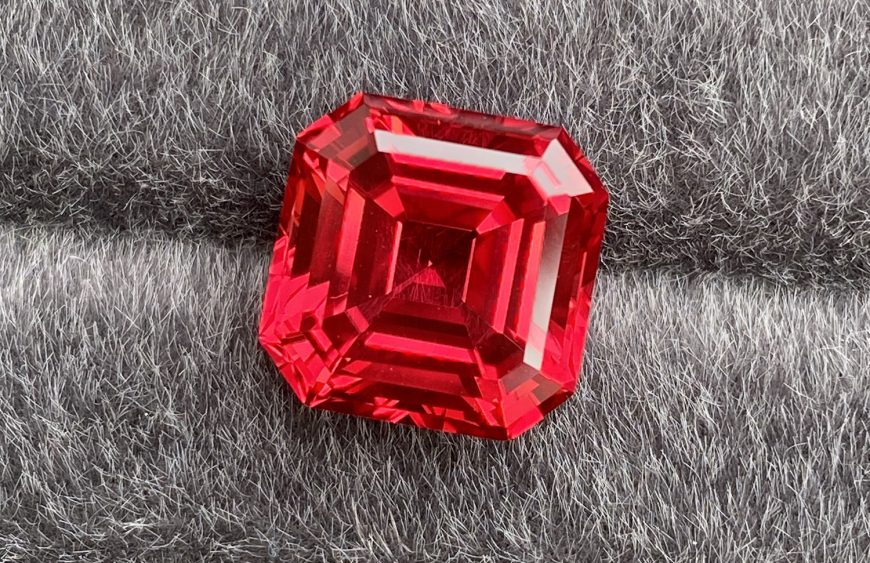
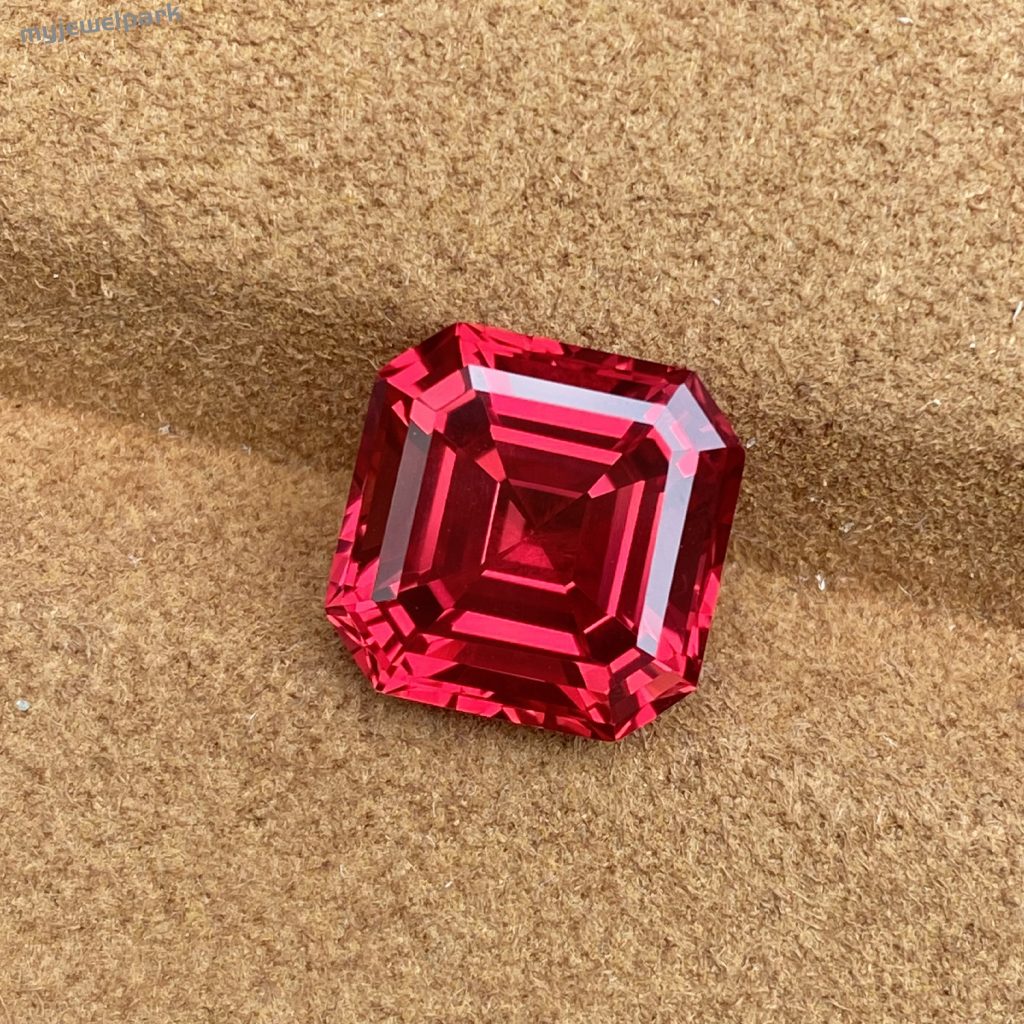
Ruby: Typically has a bright, intense red with slight pink or purple undertones. Premium rubies, especially Burmese rubies, exhibit the famous pigeon blood red color.
Garnet: Often appears deeper, with brown or wine-red undertones. While some garnets can be a rich red, they lack the fiery intensity of a ruby.
Quick Tip: Hold your gemstone under bright light. If it reflects flashes of pink or purplish-red, it’s likely a ruby. If it leans toward brown or rusty red, it’s more likely a garnet.
2. Light Reflection and Brilliance
The way these gemstones interact with light also provides clues:
Ruby: Has a strong fluorescence, glowing brightly under UV light and reflecting vivid red tones.
Garnet: Has a softer, glassy luster and does not fluoresce, appearing duller in comparison.
Quick Test: Shine a flashlight through the stone. If it appears bright and fiery red, it’s probably a ruby. If the red color is deeper and subdued, it’s likely a garnet.
3. Hardness Test: Durability and Scratch Resistance
A gemstone’s hardness plays a crucial role in its durability:
Ruby: Ranks 9 on the Mohs hardness scale, making it highly scratch-resistant and second only to diamonds in durability.
Garnet: Falls between 6.5 and 7.5, meaning it’s softer and more prone to scratches.
DIY Test: If you have an unmounted gemstone, carefully scratch a piece of glass. A ruby will scratch glass with ease, while a garnet may leave little to no mark.
4. Inclusions and Internal Structure
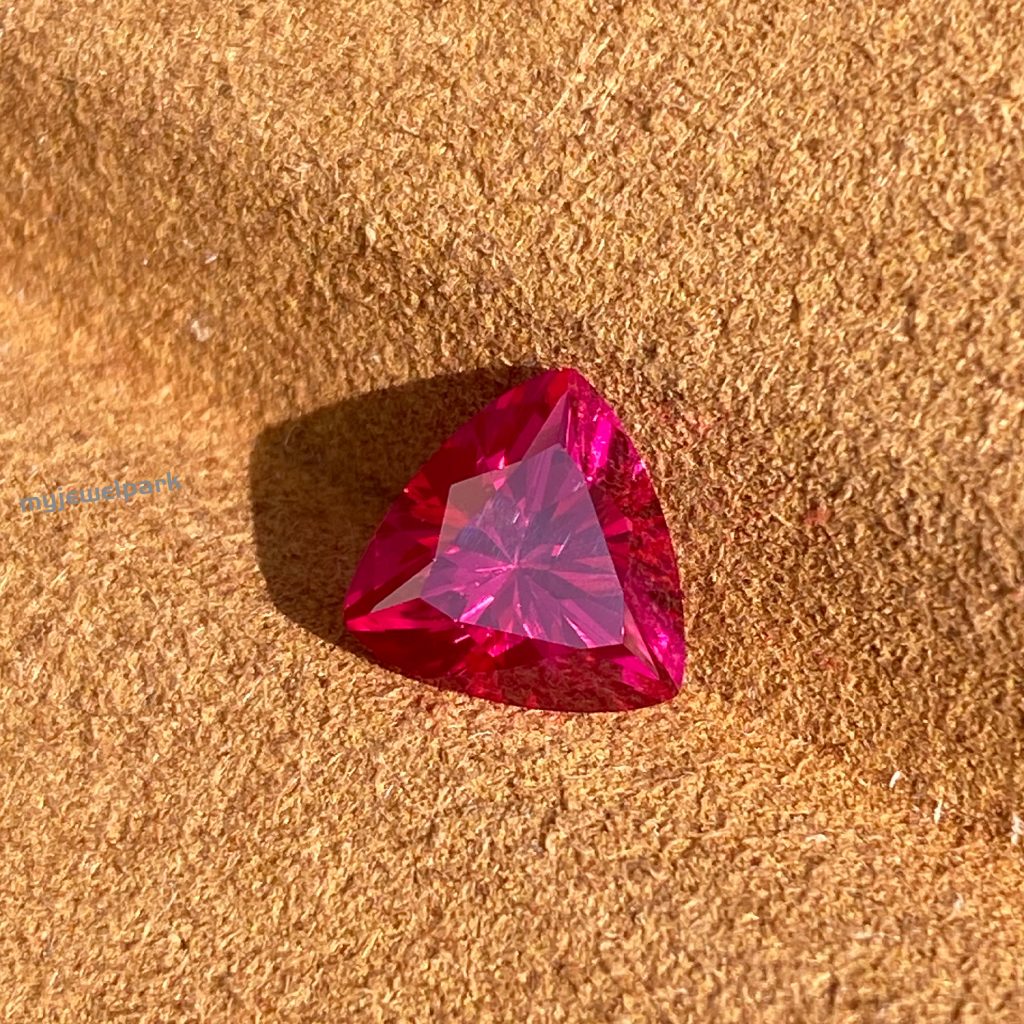
Both rubies and garnets have inclusions, but they appear differently under magnification:
Ruby: Often contains needle-like rutile inclusions, known as “silk.”
Garnet: Typically features rounded inclusions or grainy mineral clusters.
Pro Tip: Use a jeweler’s loupe (10x magnification) to inspect your gemstone. Silky needle-like inclusions suggest a ruby, while rounded, grainy inclusions point to a garnet.
The Rise of Lab-Grown Rubies: A Smart Alternative
Thanks to modern gemstone technology, lab-grown rubies are gaining popularity. These rubies are chemically, physically, and optically identical to natural rubies but offer several advantages:
More Affordable:Up to 70% less expensive than mined rubies of comparable quality.
Eco-Friendly & Ethical:No mining impact, making them a sustainable choice.
Superior Quality Control:Many lab-created rubies feature the same inclusions as natural rubies, making them nearly indistinguishable.
Ruby or a Garnet?
By examining color, light reflection, hardness, and inclusions, you can confidently determine whether your red gemstone is a ruby or a garnet. If you’re looking for a balance of beauty, durability, and ethical sourcing, lab-grown rubies are an excellent choice.
Have you ever mistaken a garnet for a ruby? Would you consider a lab-grown ruby over a natural one? Share your thoughts in the comments below!