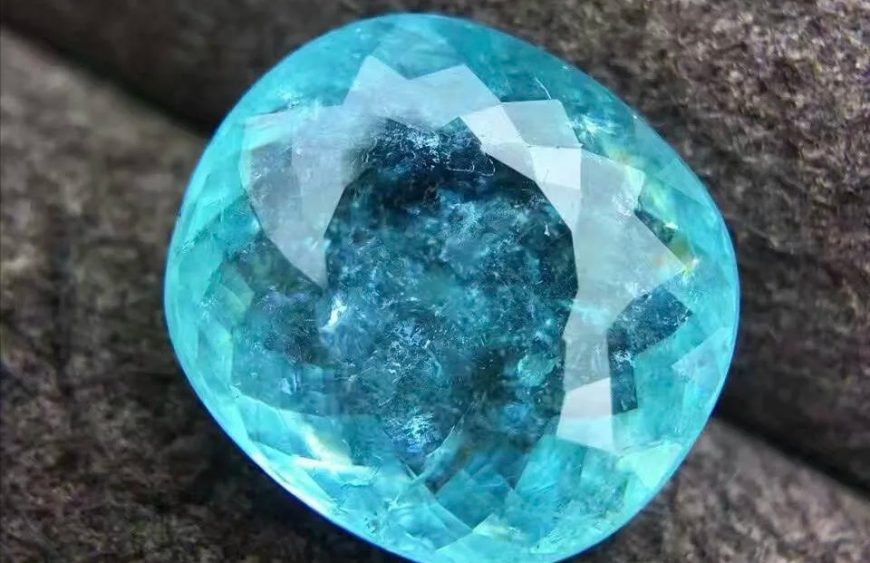
Can Paraiba Tourmaline Be Lab-Grown? Exploring the Possibilities
Paraiba Tourmaline has become one of the most coveted gemstones in the jewelry world. That’s thanks to its striking neon blue-green color, a color often rivaled by the hue of the Caribbean Sea. These rare and vibrant gemstones are primarily mined in Brazil, though deposits have also been found in places like Nigeria and Mozambique. But in the age of lab-grown gemstones, many are wondering — can Paraíba Tourmaline be lab-grown?
The Appeal of Paraiba Tourmaline
Paraiba tourmaline stands out because of its unique color, which is caused by trace amounts of copper, giving it a neon glow. These stones are incredibly rare, and finding one of significant size and quality can be a major investment. Because of their rarity and stunning beauty, natural paraiba tourmaline often comes with a hefty price tag, sometimes reaching thousands of dollars per carat.
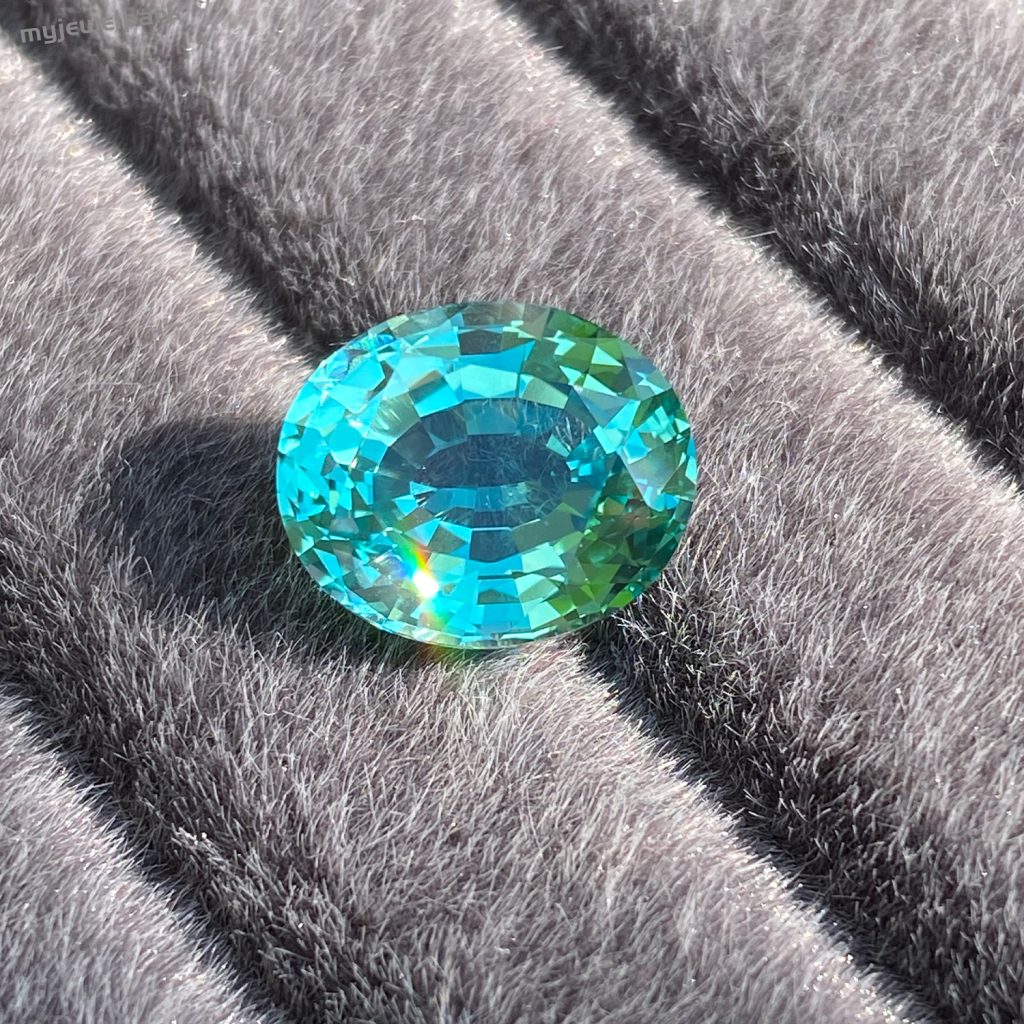
Given the allure of these gemstones, many buyers are now curious about the possibility of lab-grown paraiba tourmaline, which could offer a more affordable and sustainable alternative.
The Challenges of Lab-Growing Paraiba Tourmaline
Creating a lab-grown version of paraiba tourmaline is not as straightforward as with some other gemstones like sapphires or diamonds. Tourmaline is a complex mineral with a wide range of colors, and replicating the specific neon blue-green hue of paraiba is a delicate process. The copper content, which is responsible for the characteristic glow, is particularly challenging to reproduce in a lab environment.
As Reddit user u/GemLover78 notes: “I’ve seen lab-grown tourmaline, but the color just doesn’t compare to a real paraiba. The copper content that gives it that neon effect is hard to replicate.”
Currently, while scientists can replicate the conditions necessary to create basic tourmaline crystals in the lab, the distinctive copper-rich blue-green color seen in paraiba tourmalines is still a challenge to replicate. The technology simply hasn’t advanced enough to produce lab-grown stones with the exact same vibrant color and brilliance.
Can Lab-Grown Tourmaline Have the Same Color?
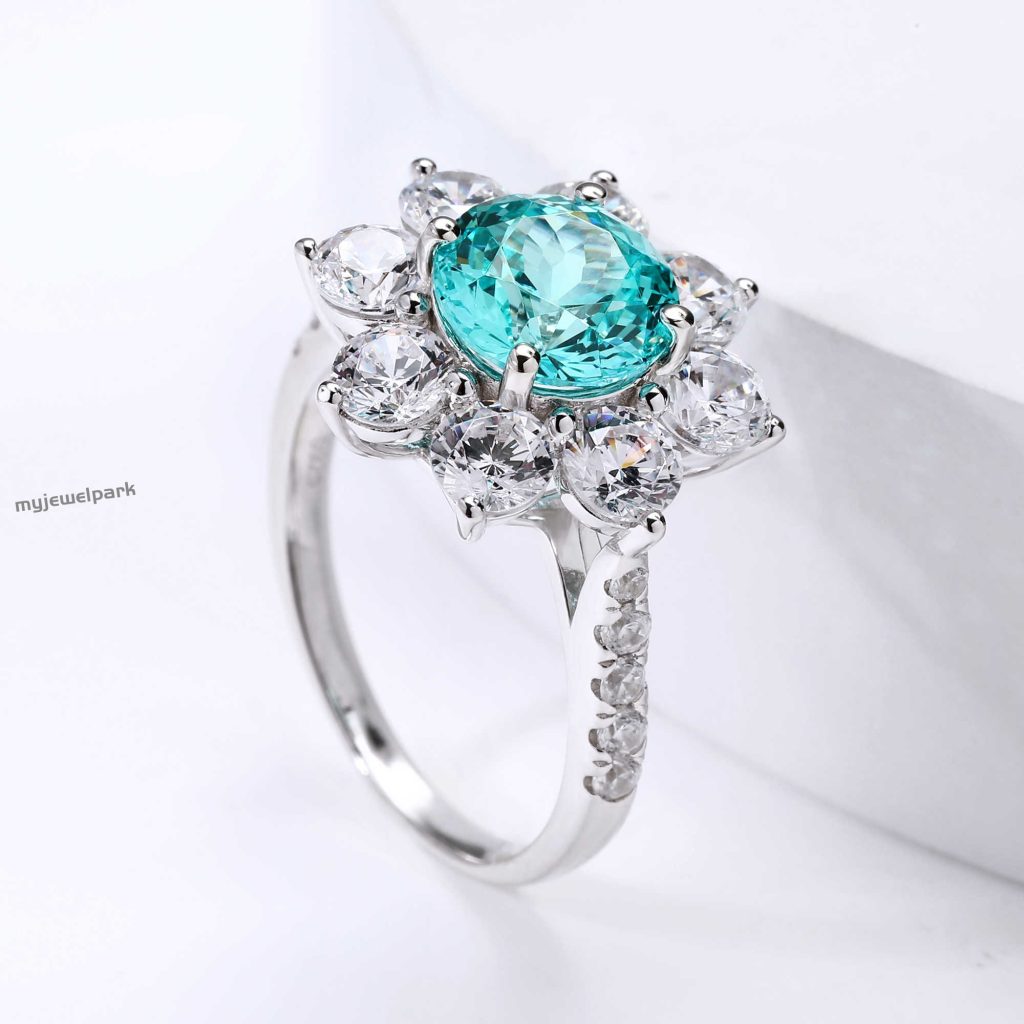
While there have been significant advancements in lab-grown gemstones, paraiba’s iconic color remains elusive. Lab tourmaline exists, but it typically doesn’t match the highly saturated colors found in natural paraiba stones. The hydrothermal process, commonly used to grow other types of tourmaline, doesn’t seem to support the copper infusion needed for the iconic paraiba hue.
That said, researchers and jewelers are continuing to explore ways to produce lab-grown paraiba tourmaline, but as of now, there is no widely available version of this specific type of tourmaline created in the lab.
Lab-Grown Alternatives: Blue and Green Tourmalines
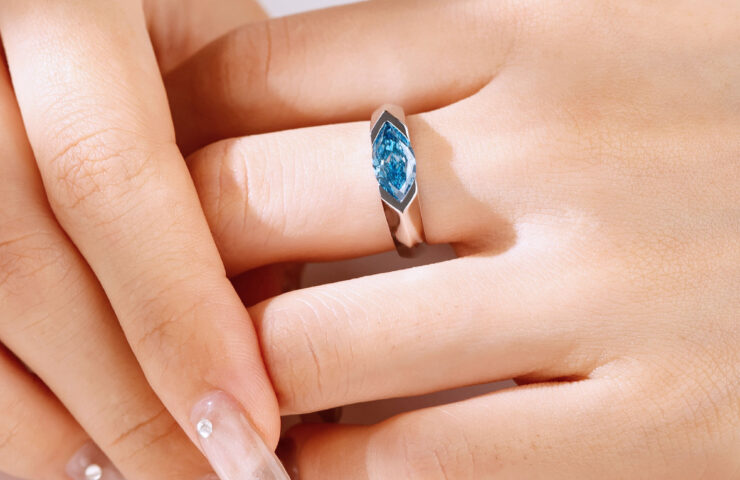
While true lab-grown paraiba tourmaline might not yet be available, you can still find lab-grown blue and green tourmalines that offer similar hues, though not quite the same intensity as their natural counterparts. These stones are grown under controlled conditions, often using hydrothermal or flux methods, but they lack the copper-rich color that makes paraiba tourmaline so unique.
For buyers who want something close to the appearance of paraiba but at a lower price, lab-grown blue tourmaline or lab-grown green tourmaline can be a great option. The cost-effectiveness of these stones makes them appealing, especially for jewelry pieces where the exact hue of paraiba isn’t the primary concern.
As one commenter on Quora puts it: “I love lab-grown gemstones, but I wouldn’t settle for a regular tourmaline if I’m looking for a paraiba. The color just isn’t the same.”
Is There Hope for Lab-Grown Paraiba?
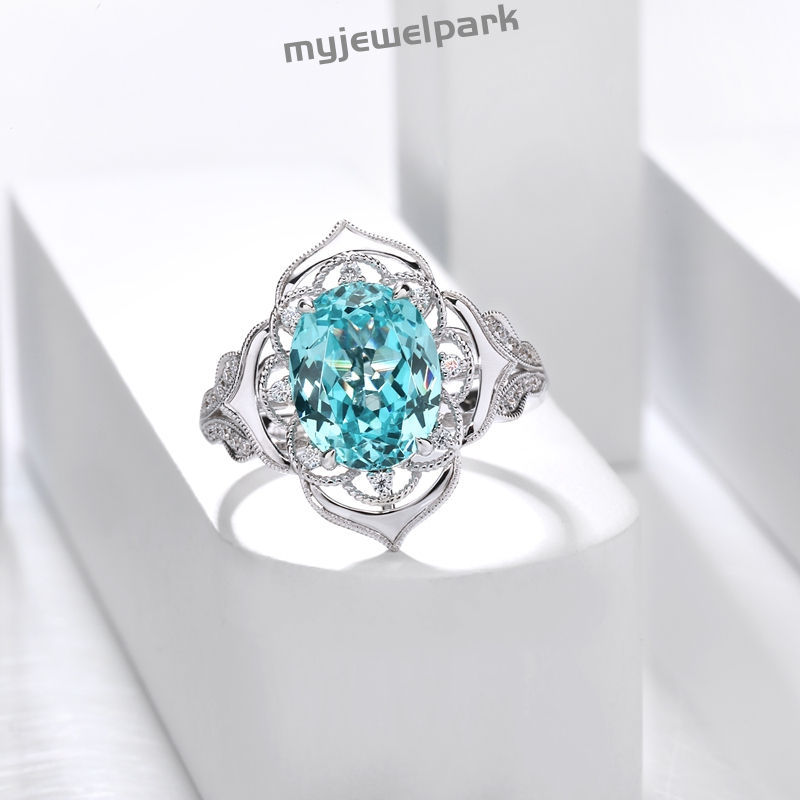
Though lab-grown paraiba tourmaline is not yet available, the future of lab-grown gemstones is bright. The market for synthetic gemstones is growing, with innovations happening all the time. It’s possible that, in the near future, advancements in technology could allow for lab-grown paraiba tourmaline to hit the market, offering a more ethical and sustainable option for buyers who love the vibrant colors of these rare stones.
For now, buyers looking for a natural paraiba will need to settle for the real thing, but there’s no denying the allure of lab-grown gemstones as they continue to evolve.
Final Thoughts
While lab-grown paraiba tourmaline is not yet a reality, lab-grown alternatives in other colors and varieties of tourmaline can still be a beautiful and affordable option. The science behind creating cultured gemstones is evolving rapidly, and in the future, it’s likely that we will see innovations that allow for the creation of paraiba-style tourmaline in the lab.
If you’re on the hunt for vibrant blue-green stones with a similar look and feel to paraiba tourmaline, keep an eye out for advancements in the lab-grown gemstone market. And as Reddit user u/TourmalineFan reminds us: “Don’t let the search for perfection make you miss out on the beauty of what’s available now.”