How to Tell if Tourmaline is Paraiba: A Quick Guide for Gem Enthusiasts
Paraiba tourmaline is one of the most coveted gemstones in the world of jewelry. Known for its vivid neon blue and green hues, this gemstone has a striking appeal that makes it stand out among other types of tourmaline. But with the rise of synthetic and lab-grown gemstones, how can you tell if a tourmaline is truly Paraiba Tourmaline?
1. The Color: Neon Blue or Green
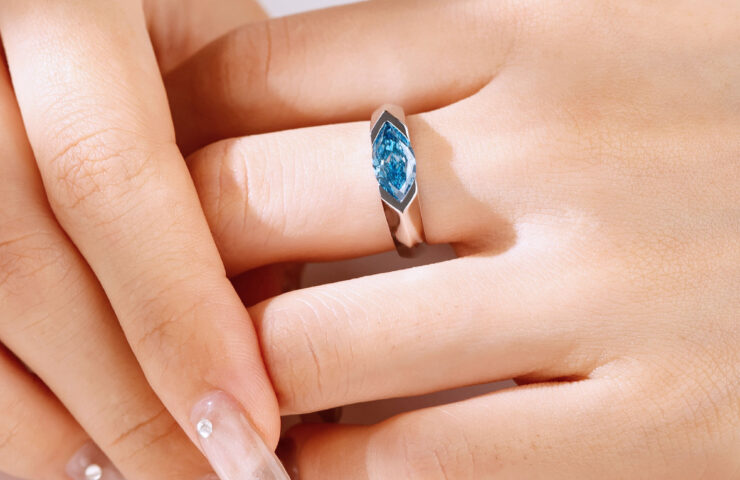
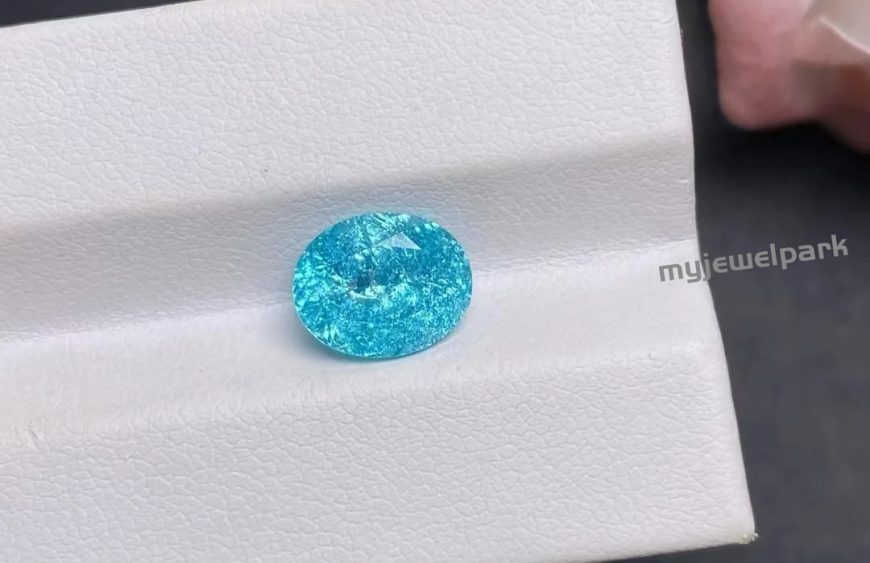
The most obvious feature of a Paraiba tourmaline is its color. These stones are famous for their intense neon blue and green shades, often with a glowing, almost electric appearance. The color comes from trace amounts of copper in the crystal structure, and no other tourmaline variety shares this distinct vibrant hue.
As Reddit user u/CrystalCollector explains: “I was looking at some tourmaline and noticed the Paraiba had this super bright blue glow that nothing else had. It really does look almost like a neon light!”
If the stone lacks that striking color, it’s likely not a Paraiba tourmaline. Regular blue or green tourmalines are generally less saturated and more muted in comparison.
2. Origin of the Gemstone
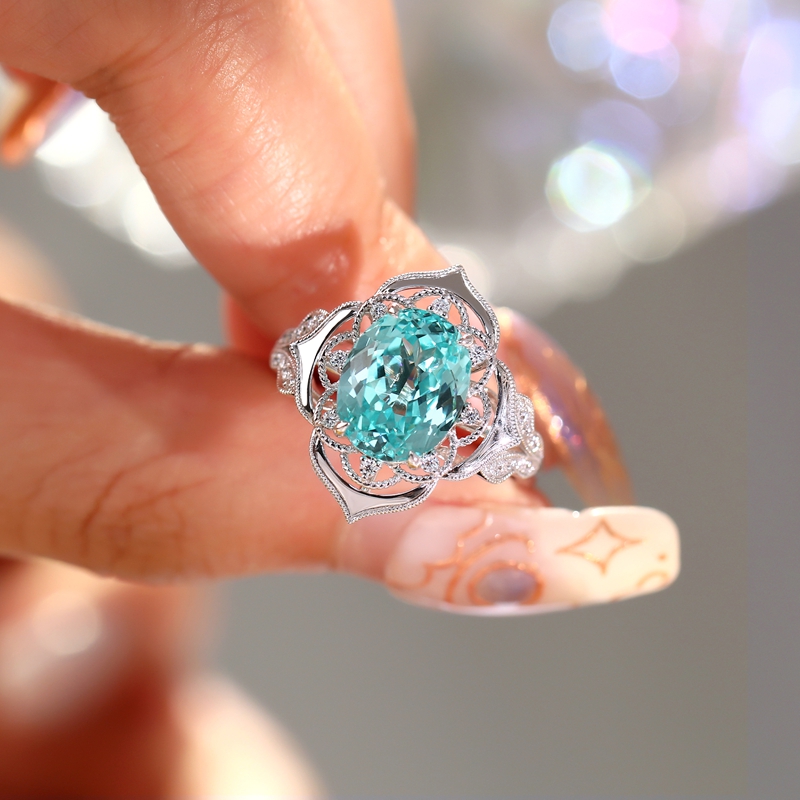
The location where the gemstone was mined can also help identify whether it’s a true Paraiba tourmaline. Paraiba tourmaline is primarily found in Brazil, specifically in the Paraiba state, which is where it gets its name. Other deposits have been found in Mozambique and Nigeria, but these stones tend to be less vivid than their Brazilian counterparts.
If the stone’s certificate doesn’t mention Brazil, Mozambique, or Nigeria, it may not be a genuine Paraiba. Additionally, if a seller claims that their Paraiba is from another region, it’s worth asking for verification, as these stones are most commonly associated with those specific locations.
3. Price Point
Paraiba tourmaline is very rare and highly sought after, so it comes with a hefty price tag. If you come across a bright blue-green tourmaline being sold for an unbelievable price, there’s a good chance it’s not a Paraiba gem. These gems can range from hundreds to thousands of dollars per carat, especially those with exceptional color and clarity.
As Quora user @GemCollector42 points out: “I thought I scored a deal on a Paraiba once, but when I saw how affordable it was, I realized it was just a regular tourmaline with similar colors.”
Keep in mind that lab-grown or synthetic tourmaline can also cost less than a natural Paraiba gem. But it won’t have the same physical properties as a real Paraiba gem.
4. Clarity and Inclusions
Paraiba tourmaline is known for having fewer inclusions compared to other types of tourmaline, though it’s still common to find some. The key difference here is that the inclusions in a genuine Paraiba tend to be needle-like or rod-shaped due to the way the crystals form. These inclusions can be visible under magnification but are often not noticeable to the naked eye.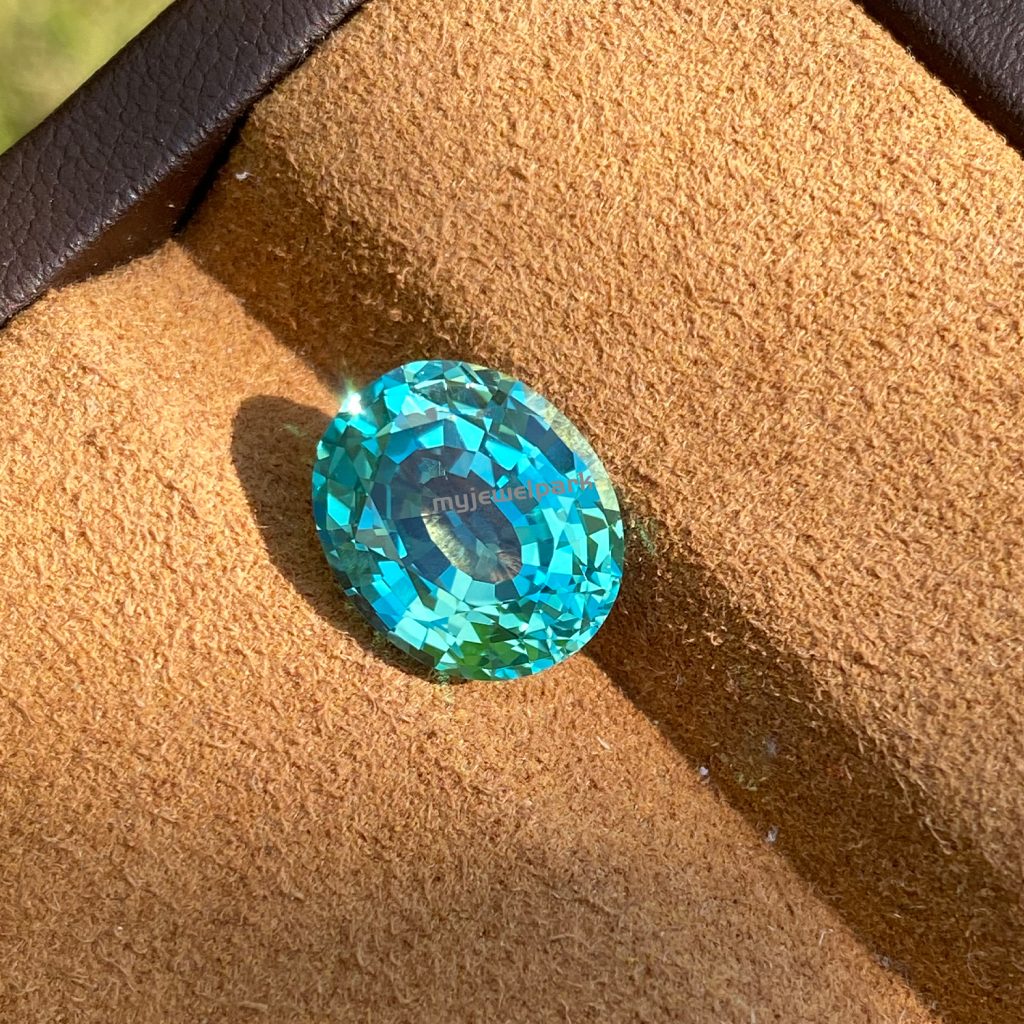
Lab-grown Paraibas, on the other hand, may exhibit more uniform inclusions or other distinct characteristics that are less common in natural stones. If you’re unsure, a gemologist can inspect the stone and provide clarity on whether it’s natural or lab-created.
5. Fluorescence Under UV Light
One of the easiest ways to tell if a tourmaline is Paraíba tourmaline is to check its fluorescence under ultraviolet (UV) light. Due to the presence of copper in the gem, Paraíba tourmalines often fluoresce bright blue or green under UV light. Regular tourmalines do not usually exhibit the same vivid fluorescence.
This is especially helpful if you are buying online or from a seller who you cannot examine closely in person. Ask the seller if they offer UV testing or provide a certificate from a trusted gemological laboratory such as GIA or IGI to confirm the authenticity of the gemstone.
Final Thoughts
Identifying a Paraiba tourmaline may take some knowledge, but with the right tools and understanding of its unique features, you can confidently determine whether your gemstone is the real deal. Always look for the tell-tale neon blue-green color, verify the origin, and be mindful of the price. If you’re still unsure, don’t hesitate to consult with a gemologist who can perform detailed tests to authenticate the stone.
As one Reddit user put it: “Paraiba is a true gemstone lover’s dream, but you’ve got to know what you’re looking for to avoid fakes!”