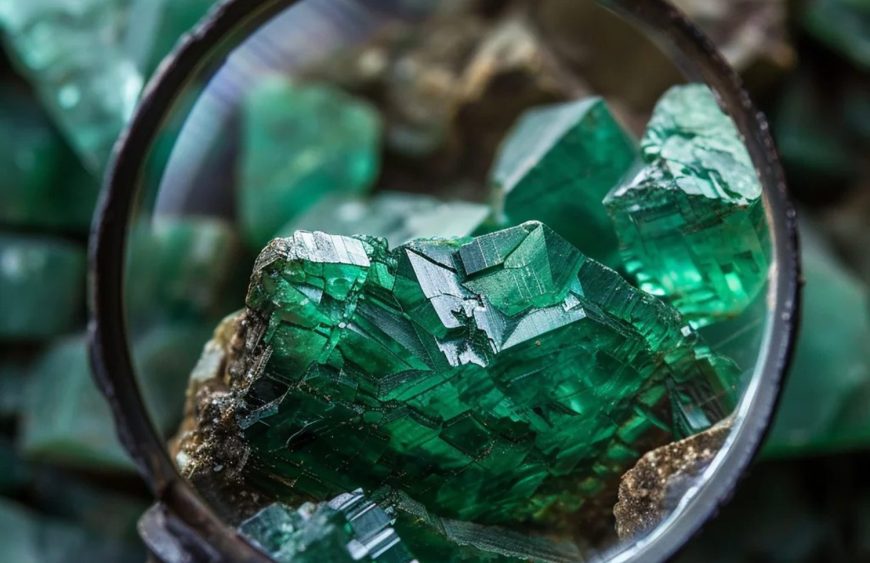
Environmental Impact of Laboratory Emeralds
The growing demand for sustainable and ethical gemstones has led to a growing interest in lab-grown emeralds. Not only do these gemstones offer stunning beauty, they are also a more environmentally friendly alternative to traditionally mined emeralds. Understanding their environmental impact is essential for conscientious consumers seeking to make informed choices.
1. Reduced Land Destruction

The traditional mining methods for natural emeralds can result in significant land destruction and habitat destruction. The process typically involves removing large amounts of soil and rock, which can harm local ecosystems and wildlife. In contrast, lab-grown emeralds are created in a controlled environment, often using advanced technological processes that require little to no alteration of the land. This reduced footprint helps protect natural habitats and maintain ecological balance.
2. Reduced Water Consumption
Mining operations typically require large amounts of water for extraction and processing. This can lead to the depletion of local water resources, adversely affecting surrounding communities and ecosystems. Lab-grown emeralds typically consume less water, resulting in a more sustainable use of resources. By choosing lab-grown emeralds, consumers can help reduce pressure on important water resources in mining areas.
3. Minimal Carbon Footprint
Lab-grown gemstones have a significantly lower carbon footprint compared to mined gemstones. While the growth of emeralds in a laboratory requires energy, advances in technology often mean that these processes utilize renewable energy. This shift helps reduce greenhouse gas emissions, making lab-grown emeralds a more sustainable choice.
4. Ethical Sourcing

One of the key advantages of lab-grown emeralds is the guarantee of ethical sourcing. Mined gemstones can sometimes be associated with unethical labor practices and conflict financing, which creates additional concerns for consumers. By choosing a lab-grown emerald, buyers can avoid these issues, knowing that their gemstone was produced under responsible conditions.
5. Waste Generation and Management
While mining generates a lot of waste, usually in the form of tailings and debris, laboratory processes can be designed to minimize waste generation. Many facilities focus on recycling materials and using efficient methods, which helps reduce environmental impact overall.
Lab-grown emeralds not only have stunning beauty, but also represent a major step towards sustainability in the jewelry industry. By choosing a lab-grown emerald, consumers can enjoy the charm of emeralds while promoting environmental responsibility and ethical practices. This shift is critical to promoting a more sustainable future for gemstone sourcing and production.