Ethical Considerations in Wearing Laboratory-Cultivated Emeralds
In recent years, the growing popularity of laboratory-cultivated emeralds has ignited conversations about ethical practices in the jewelry industry. As consumers become more conscious of the origins of their purchases, understanding the ethical considerations surrounding lab-grown gemstones becomes essential.
1. Conflict-Free Assurance
One of the most important ethical advantages of lab-grown emeralds is that they are guaranteed to be conflict-free. Natural gemstones may be subject to unethical mining practices and human rights violations. Choosing lab-grown emeralds eliminates these concerns. Cultured gemstones are produced in a controlled environment that supports ethical labor practices.
2. Sustainability and Environmental Responsibility
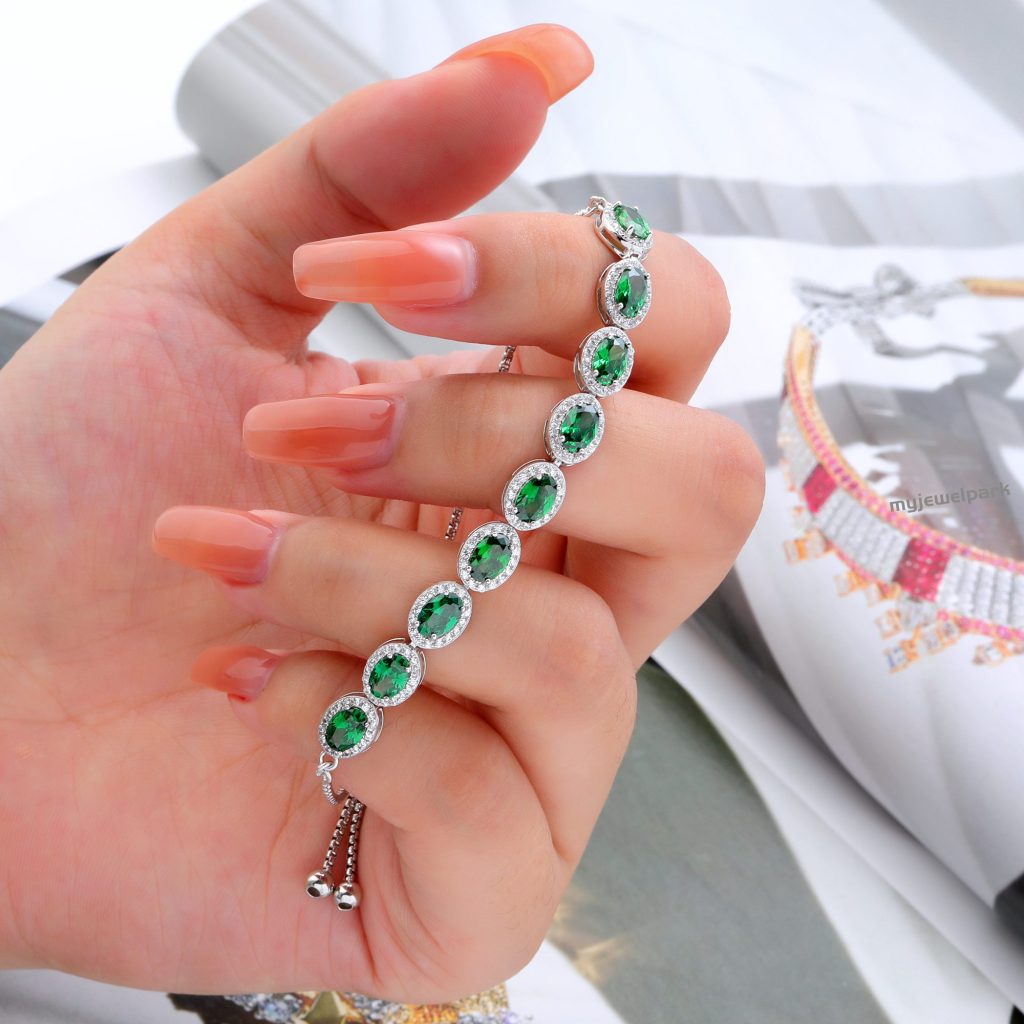
Laboratory cultivation significantly reduces the environmental impact compared to traditional mining. Mining operations often lead to habitat destruction, soil erosion, and considerable ecosystem disruptions. In contrast, lab-grown emeralds are created with minimal land disturbance and often utilize renewable energy sources. By opting for these gems, consumers can support sustainable practices and help preserve the planet’s natural resources.
3. Transparency and Accountability
Lab-grown emeralds benefit from a high degree of transparency regarding their production processes. Consumers can trace the origins of these gems more easily than mined stones, which often have complicated supply chains. Knowing that a gem has been ethically produced fosters a sense of confidence in consumers, allowing them to make purchases aligned with their values.
4. Value of Innovation

Choosing laboratory-cultivated emeralds also reflects a commitment to innovation in the jewelry industry. These gems are representative of advancements in technology and science, which aim to produce high-quality stones without the ethical dilemmas associated with mining. Supporting these innovations encourages a shift toward more sustainable practices in gem production.
5. Cultural Perceptions
While the acceptance of lab-grown gemstones is growing, some may still view them as less valuable than mined stones. This perception invites a dialogue about the true value of gemstones: is it their origin or the beauty and craftsmanship they embody? Emphasizing the ethical and sustainable aspects of lab-grown gems can help redefine value in a way that resonates with modern consumers.
Wearing laboratory-cultivated emeralds represents a choice grounded in ethical considerations and social responsibility. By supporting these gems, consumers not only enhance their jewelry collections but also align their choices with sustainability and human rights advocacy. This shift reflects a broader movement toward environmentally and socially conscious consumerism in the jewelry industry.