Grown Emerald Certification Guide: What Labs Like GIA and IGI Really Say
Not all green gemstones are created equal, and not all certificates are equally valid. How do I know my gemstone is authentic? And does the certification body matter?
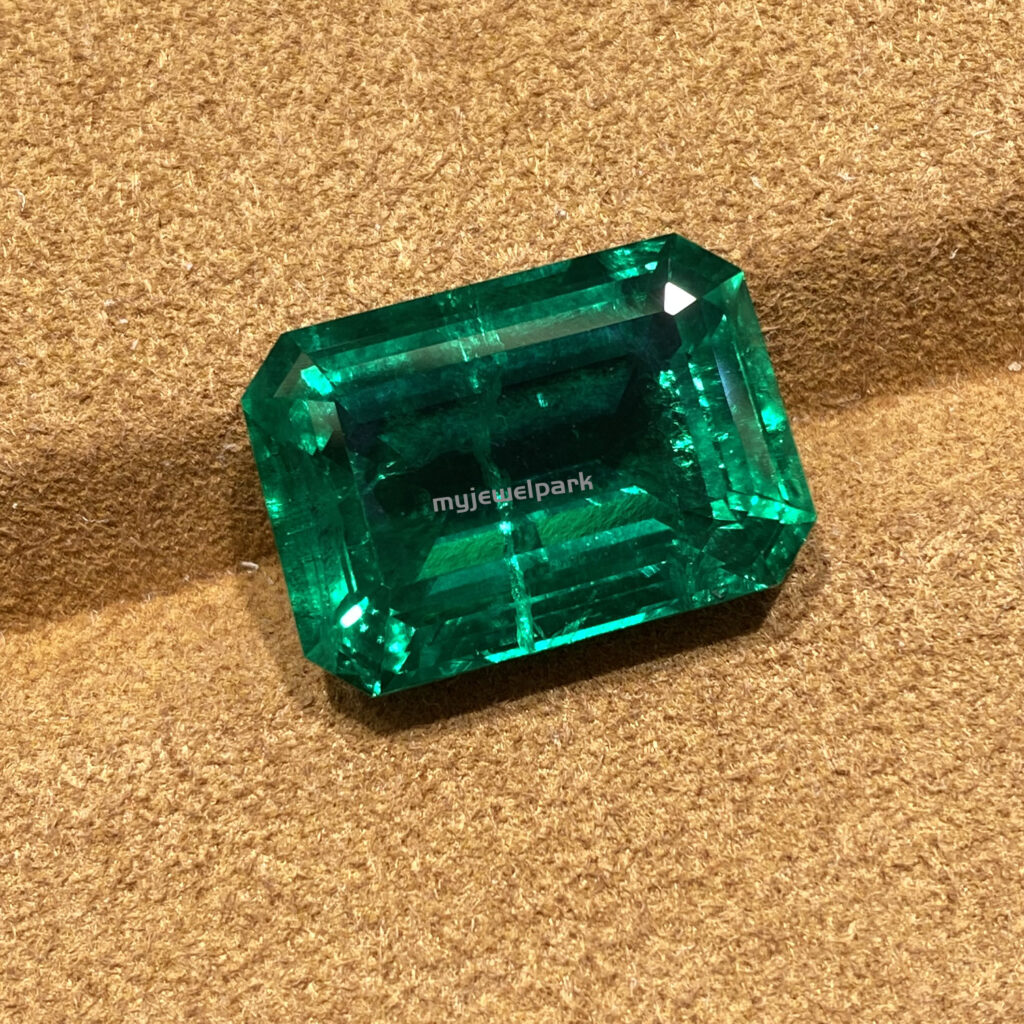
Lab-grown emeralds are true emeralds, composed of beryl and grown using hydrothermal methods that mimic geological conditions. They form under high pressure in a sealed environment, yielding crystals with nearly identical optical and chemical characteristics to mined stones. This similarity has made certification essential, especially as more consumers seek assurance around authenticity, origin, and treatment status.
The International Gemological Institute (IGI) released a 2024 update detailing how synthetic emeralds are graded. According to the report, high-quality lab-grown stones often feature internal veils, fluid inclusions, and soft zoning that mirror natural stones. IGI classifies these gems based on growth method, clarity, and whether or not post-growth treatments like oiling are applied. The lab’s certificates clearly state “Laboratory-Grown” along with a description of the hydrothermal process and any absence of enhancements.
GIA, while more conservative in synthetic emerald grading, also offers reports for grown emeralds, though with limited retail penetration. Their reports focus on species identification and origin, rather than market valuation.
Consumer trust is shaped by these distinctions
On Reddit’s r/jewelry forum, one user shared, “I bought a beautiful green stone, but no lab report came with it. Turned out it wasn’t emerald at all.” Another reply noted, “My IGI lab-grown emerald has more detail in the report than the natural one I saw for double the price.”
Trust also hinges on the story a gem can tell
A 2025 study by the Gemstone Transparency Research Group revealed that 64 percent of consumers in North America and Europe now prefer certified, untreated gemstones. Buyers ranked traceability, ethical sourcing, and documented origin above resale potential or rarity.
This is where hydrothermal cultivation stands apart
Stones grown under controlled conditions allow for intentional inclusions and consistent clarity. Brands like Chatham have refined methods that produce structured clouding and depth, matching the visual character of high-grade Colombian material—without artificial fillers or treatments.

Certification confirms what the eye alone can’t. It validates a gemstone’s growth process, rules out enhancements, and assures the buyer of consistent, verifiable quality.
Survey: What do you value more when buying an emerald?
A natural gemstone that has been treated with traditional oils or a certified lab-grown emerald that has not been modified in any way? The right report not only protects your investment, it tells the story behind the gemstone, a story of transparency, craftsmanship, and the pursuit of purity and flawlessness.