Why Some Cultivated Emeralds Include Inclusions on Purpose
Inclusions were once considered flaws
Today, they’re design features. Especially in cultivated emerald, visible inclusions aren’t just accepted—they’re often intentional. For consumers, this shift raises questions. Why would a gemstone grown under controlled conditions contain imperfections by choice?
Cultivated emerald grown through hydrothermal methods are chemically identical to mined emeralds. Both are beryl, with the same crystal structure and optical performance. What differs is the consistency. Hydrothermal stones form in nutrient-rich, high-pressure chambers over several weeks. Without external disruptions, they can grow exceptionally clear. That clarity, however, has its own drawback.
In its 2024 bulletin, the International Gemological Institute (IGI) addressed the challenge of synthetic emeralds appearing too perfect. Some lab-grown stones were being mistaken for imitations, such as green glass or cubic zirconia, because they lacked the visual markers people associate with authenticity. IGI noted that current identification now relies on subtle growth patterns, including intentionally formed inclusions.
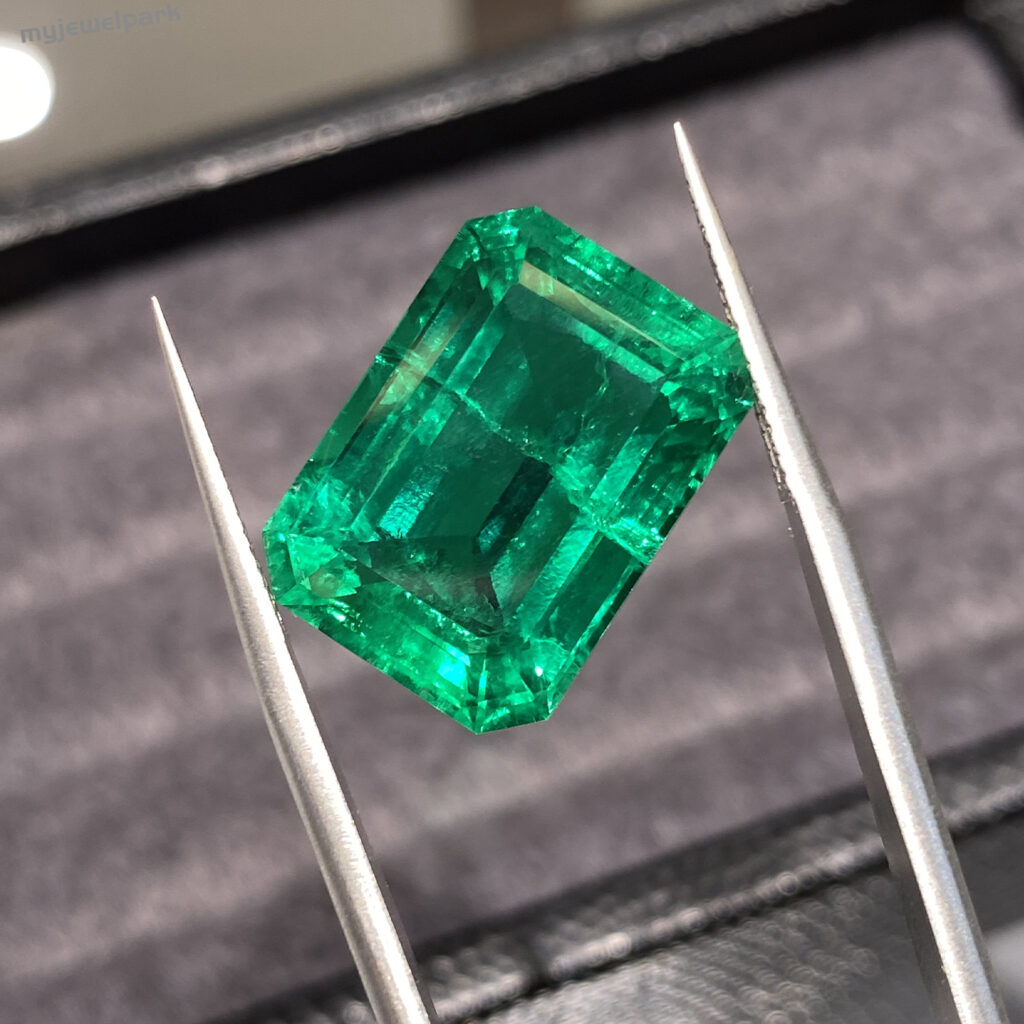
On Reddit’s r/jewelry and r/EngagementRings, users have been discussing this trend for years. One popular post reads, “I love my lab emerald, but people kept asking if it was fake because it had no inclusions. I actually prefer a few internal textures—it looks more real.” Another reply added, “Got mine with wispy zoning. Looks exactly like my grandmother’s old ring.”
The desire for realism isn’t just aesthetic. It reflects a deeper shift in values.
A 2025 study by the Global Jewelry Transparency Index showed that 64 percent of consumers in North America and Europe preferred untreated gemstones. Respondents viewed visible inclusions as signs of natural formation, even in cultivated stones. The trend has prompted hydrothermal producers to rethink perfection.
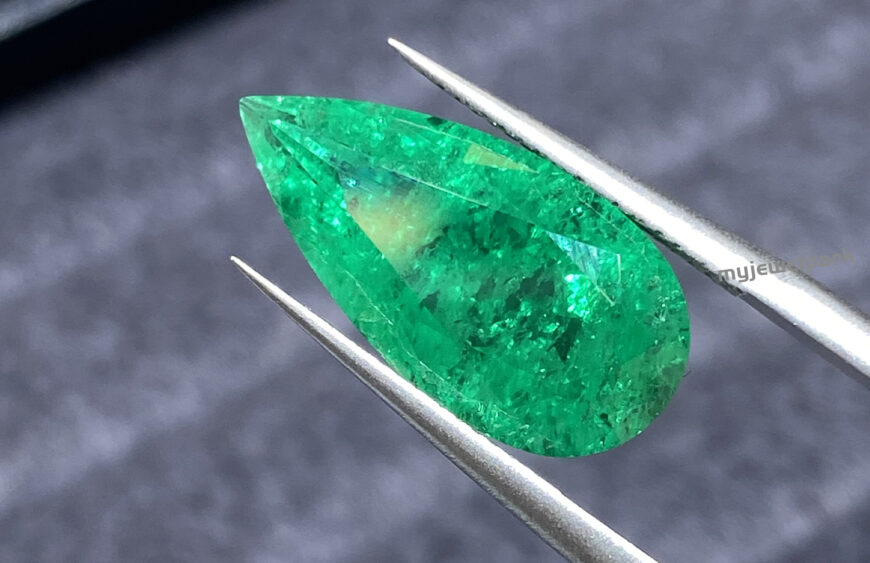
Controlled inclusions are now a hallmark of high-quality lab-grown emeralds
Brands use cooling protocols and trace minerals to guide the formation of internal features. These include soft veils, mossy clouds, and zoned body color that mimic natural emeralds from Colombia and Zambia. Companies like Chatham have patented growth techniques that introduce opacities to create dimensional depth without sacrificing clarity.

The result is a gemstone that looks born rather than built. And that, for many, is the point.
These inclusions aren’t structural weaknesses
They’re part of the visual identity. Just as mined emeralds are valued for their unique internal landscapes, cultivated emeralds are now celebrated for inclusions that tell a story of care, technique, and design.
Poll: Which type of emerald would you choose for personal jewelry?
A flawless lab-grown emerald or a cultivated emerald with natural inclusions? Inclusions are trusted, transparent markers in a gem that speak not only to its beauty but also to the care that went into it.