How Lab-Grown Moissanite is Revolutionizing the Diamond Industry
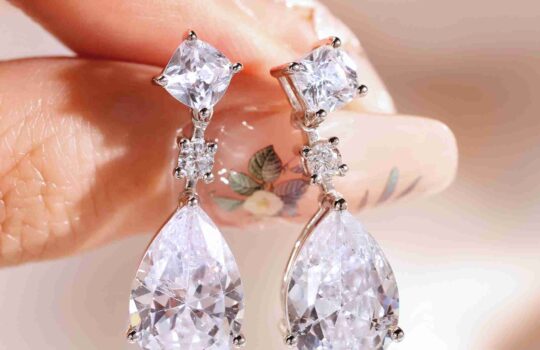
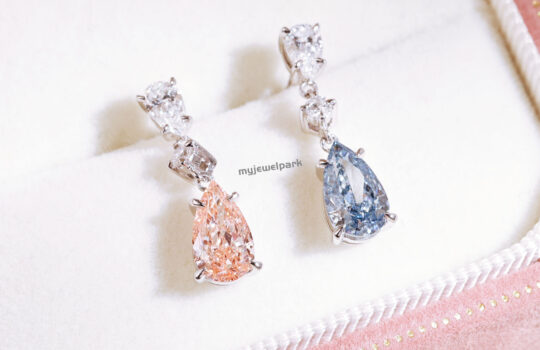
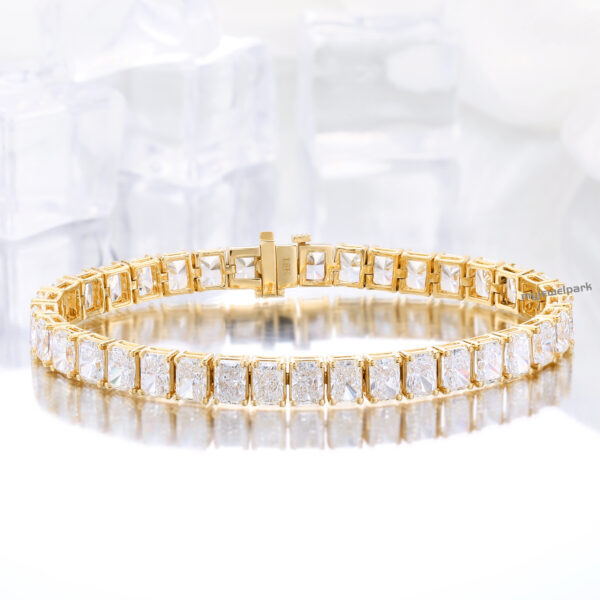
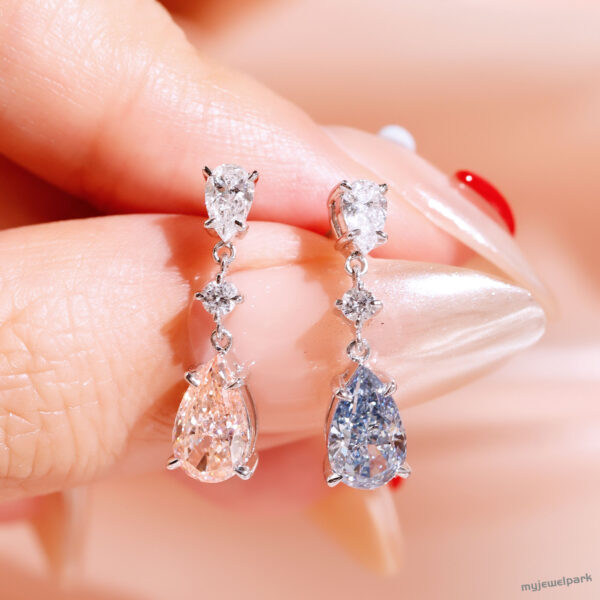
Once considered a novelty or a niche product, moissanite is now a leading contender in the luxury gemstone space. As technology has advanced, lab-grown moissanite has gained the attention of consumers, jewelry designers, and even diamond retailers, thanks to its brilliance, durability, and affordability.
But how exactly is lab-grown moissanite revolutionizing the diamond industry?
1. Moissanite’s Brilliance Surpasses Diamonds
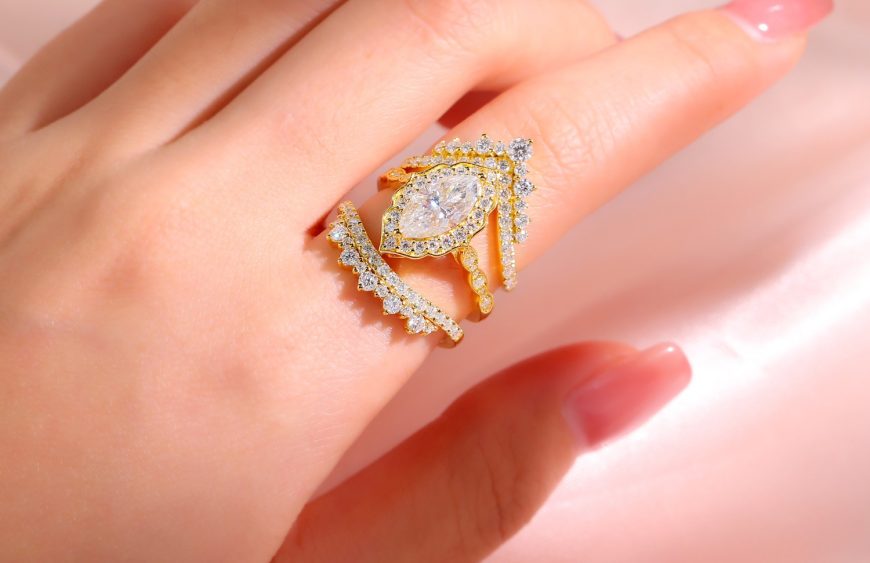
One of the most striking features of moissanite is its extraordinary brilliance. In fact, moissanite has more fire than a diamond—meaning it reflects more colored light. While diamonds reflect light in a more subtle, white sparkle, moissanite has a rainbow-like sparkle, which many people find even more eye-catching. This unique visual appeal has been a major draw for those looking for a gemstone with a truly brilliant shine.
Moissanite’s refractive index is higher than that of diamonds (2.65–2.69 for moissanite versus 2.42 for diamonds), meaning it shines brighter. Its exceptional sparkle has made it a favorite among people seeking something distinctive and eye-catching without the hefty price tag.
On the r/EngagementRings subreddit, a user commented: “I was looking for a stone that sparkled like crazy but didn’t want to spend a fortune on a diamond. I went with moissanite and was shocked at how much it outshines the diamonds I’ve seen. It’s seriously breathtaking!”
2. Affordability Without Compromising Quality
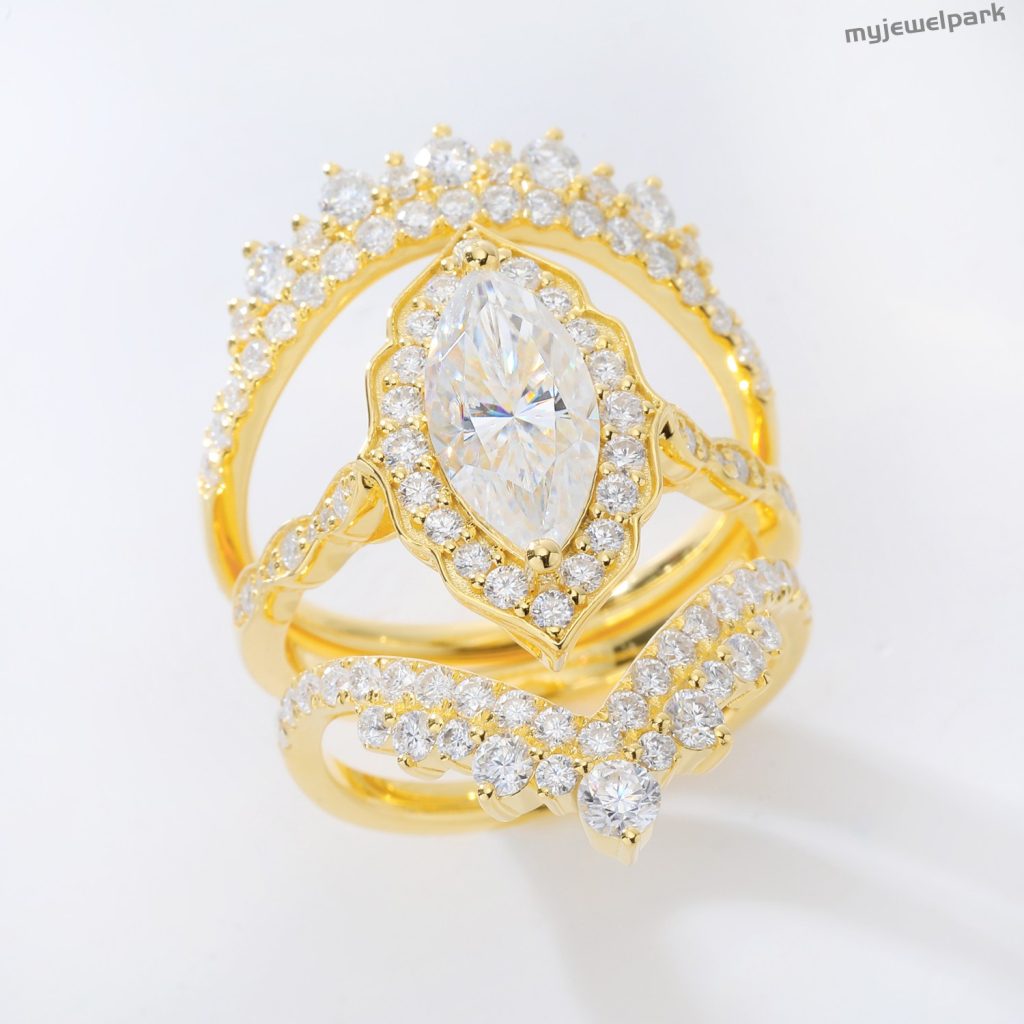
The affordability of lab-grown moissanite is another key factor driving its success. Moissanite is significantly less expensive than diamonds, often costing around 10–15% of the price of a comparable diamond. This price difference allows consumers to purchase a larger or higher-quality stone for the same budget.
For example, a one-carat diamond can cost between $4,000 and $6,000 depending on its quality, while a one-carat moissanite typically costs around $500 to $800. This makes it an attractive option for buyers who want a gemstone with a similar appearance to a diamond but without breaking the bank.
A Quora user shared their experience: “I was stunned by the price difference between diamonds and moissanite. I got a 1.5-carat moissanite ring for a fraction of the cost of a diamond, and it’s just as beautiful, if not more so!”
3. Ethical and Sustainable Choice
Ethics and sustainability are becoming increasingly important to consumers. As more people learn about the environmental and social issues associated with traditional diamond mining, many are turning to lab-grown gemstones like moissanite. Since moissanite is produced in a lab, it doesn’t require the destruction of ecosystems or the exploitation of workers, making it an eco-friendly and ethically sourced alternative.
Moissanite, grown in labs, ensures a conflict-free status, giving buyers peace of mind and guaranteeing that their purchase does not contribute to human rights abuses or environmental damage. For consumers who prioritize sustainability, moissanite offers a responsible choice without compromising on beauty or quality.
In a discussion on r/Jewelry, a user wrote: “I love that my moissanite ring is both beautiful and ethical. I did my research, and I feel better knowing it’s a lab-created stone rather than one from a mine.”
4. Durability That Rivals Diamonds
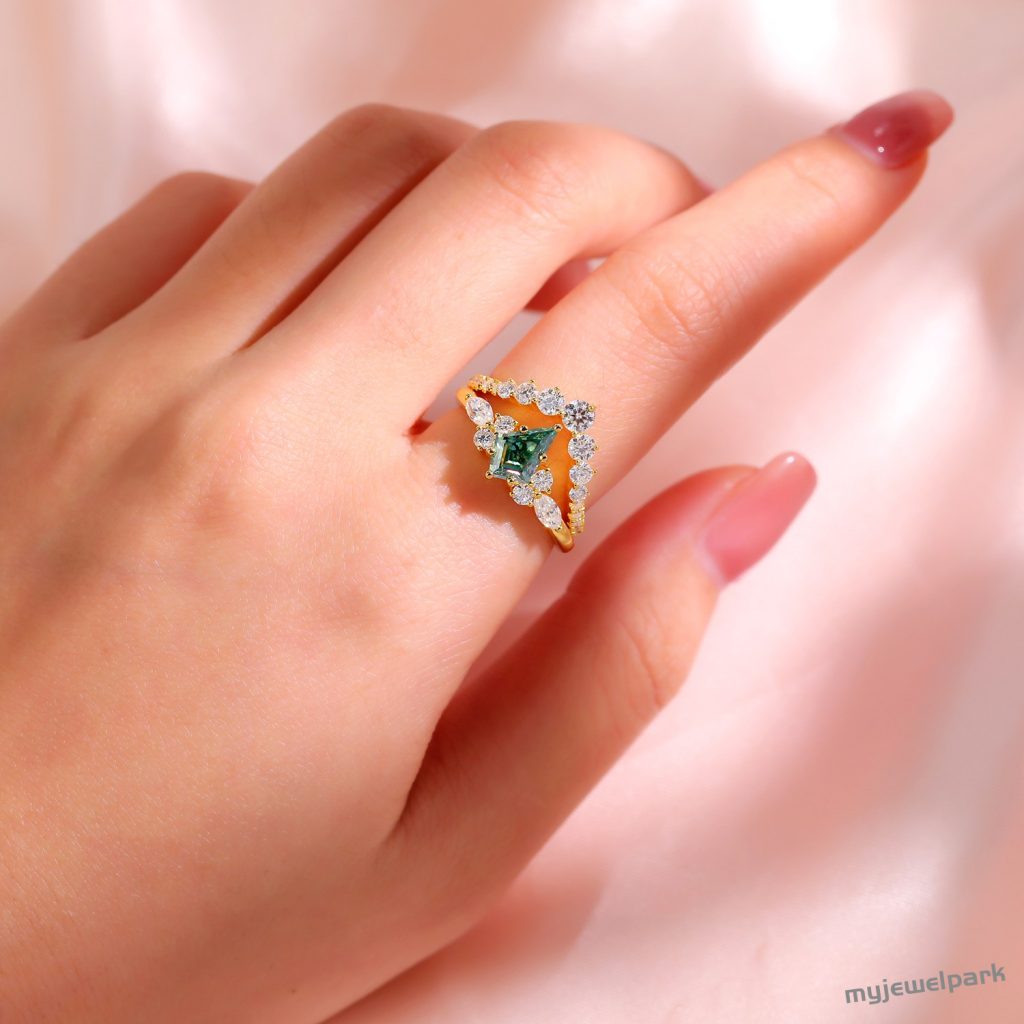
Diamonds are renowned for being the hardest, but moissanite closely follows, scoring a high 9.25 on the Mohs hardness scale, just shy of diamonds’ perfect 10. This makes moissanite incredibly durable and resistant to scratching, making it a great choice for daily wear. Whether it’s an engagement ring, a wedding band, or a statement piece, a moissanite gemstone can withstand the rigors of everyday life.
The toughness and longevity of moissanite make it a viable alternative to diamonds, as it’s almost as resilient but at a fraction of the cost. This durability ensures that a moissanite gemstone will continue to shine and maintain its beauty for years to come, just like a diamond.
A Quora user commented: “I’ve had my moissanite engagement ring for over a year now, and it still looks just as shiny and perfect as the day I got it. It’s so durable—I’ve never had to worry about it.”
5. Lab-Grown Moissanite Is Now Mainstream
Moissanite has moved beyond being a niche gemstone and is now becoming mainstream in the jewelry industry. Many well-known jewelers and designers are incorporating moissanite into their collections, offering everything from engagement rings to pendants to earrings. Major jewelry brands like Charles & Colvard and Brilliant Earth are now offering lab-grown moissanite pieces, further cementing the stone’s place in high-end jewelry.
This shift toward lab-grown moissanite reflects broader trends in the jewelry industry toward ethical, sustainable, and cost-conscious alternatives to traditional diamonds. As demand for lab-grown gemstones continues to grow, moissanite is poised to become a mainstream choice for consumers who want a luxurious look without the high price tag.
On r/Jewelry, a user mentioned: “I used to think of moissanite as something rare, but now it’s everywhere. I’ve even seen it featured in mainstream jewelry stores. The more I see it, the more I love it!”
6. Moissanite as an Alternative to Diamonds in Engagement Rings
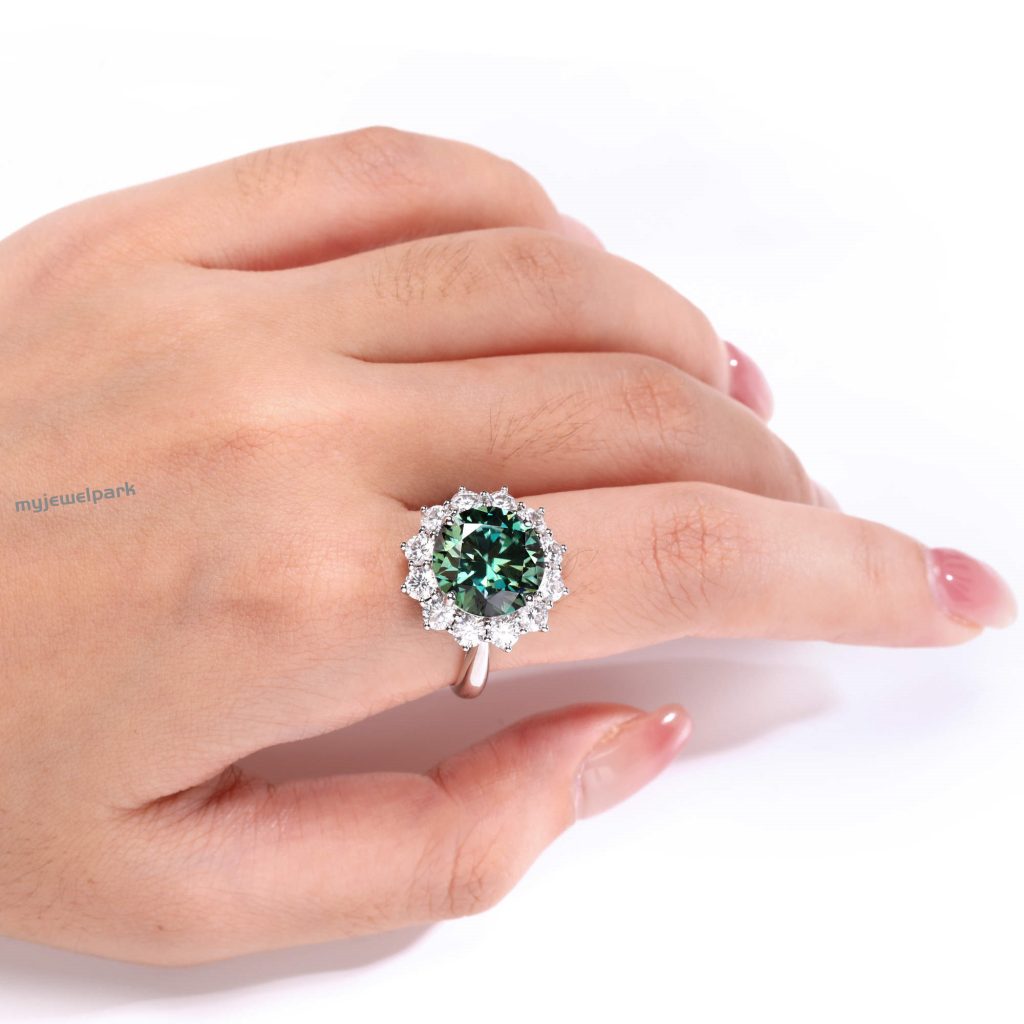
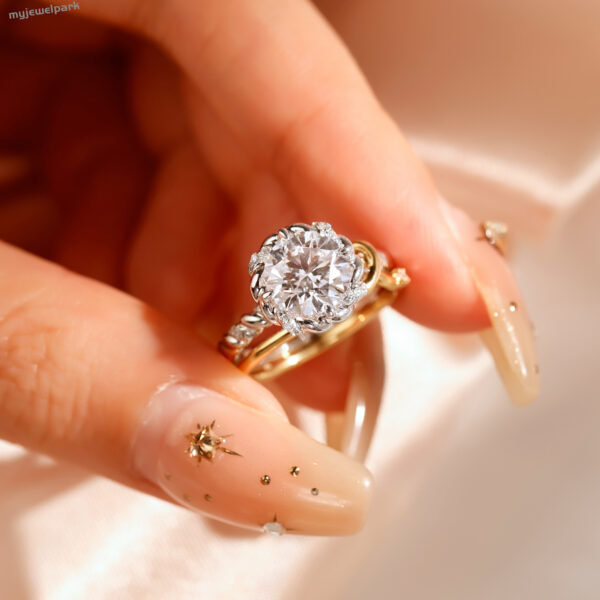
Moissanite is becoming a particularly popular choice in engagement rings. While traditional diamonds have historically been the standard for engagement rings. More and more couples are choosing moissanite engagement rings. Because they can achieve the same sparkle and brilliance as diamonds, but at a fraction of the cost.
Millennial and Gen Z buyers value personalization and ethics over tradition. This has also driven the popularity of moissanite engagement rings. Instead of following the traditional path of buying a diamond ring, many buyers are choosing moissanite. Because of its unique beauty, cost-effectiveness, and ethical sourcing.
A Quora user commented on the rising trend: “I wanted something that felt unique for my engagement ring, and moissanite was perfect. It’s sparkly, ethical, and affordable. I’m so glad I chose it over a diamond!”
7. A Growing Market for Lab-Grown Stones
The rise of lab-grown moissanite is part of a larger movement toward lab-grown diamonds and other synthetic gemstones. As technology continues to improve, lab-grown gemstones are becoming more accessible and more widely accepted by consumers. They offer an alternative that meets the desires of those who are looking for beautiful gemstones but don’t want to support industries that harm the environment or exploit workers.
The popularity of moissanite is expected to continue to rise as consumers become more educated about the benefits of lab-grown gemstones, including their ethical sourcing, affordability, and brilliance.
The Future of Moissanite in the Jewelry Industry
Lab-grown moissanite is transforming the jewelry industry, offering a sustainable, affordable, and high-quality alternative to diamonds. For those looking to embrace the future of fine jewelry, moissanite represents a smart, beautiful, and responsible choice.
About Us
China Luster is one of the largest lab-grown gemstone and gold and silver jewelry manufacturers in Wuzhou. Integrating design, production and sales since 1997, exporting to all over the world. Focusing on hand-cutting and grinding, with more than 27 years of manufacturing experience. We sell high-quality lab-grown gemstones and diamonds. Customized and inlaid by masters with more than 20 years of experience in fine cutting of natural gemstones. They are relatively cheaper than natural ones, and their physical and chemical properties are exactly the same as natural ones, except that natural ones lack a little historical value. All products are discounted during the promotion period 👉