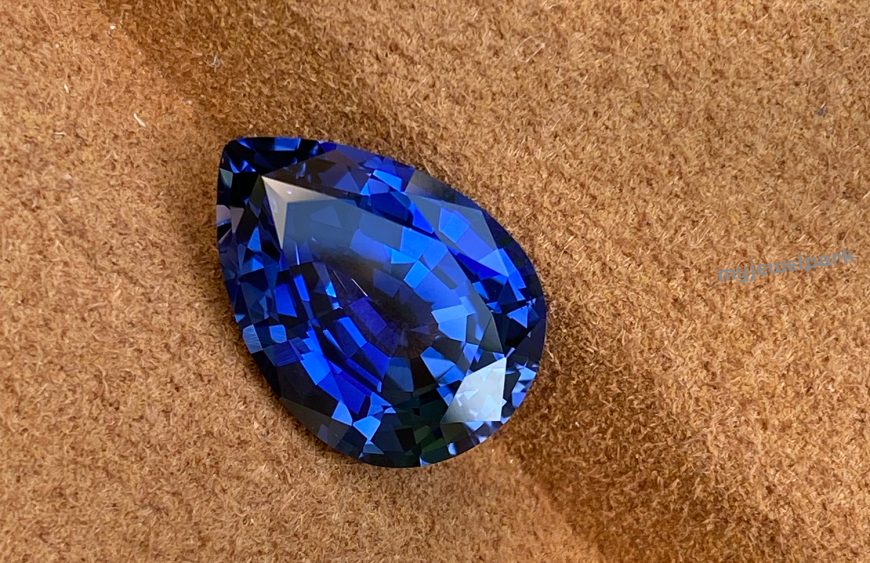
What You Need to Know Before Buying Lab-Grown Sapphires
Lab grown sapphires are gaining popularity in the jewelry world, with more and more people opting for them over natural sapphires. But before you make a purchase, there are several key factors to consider. Here’s what you need to know about lab-grown sapphires, including the benefits, the buying process, and what to look for.
1. What Are Lab-Grown Sapphires?
Lab grown sapphires are synthetic sapphires created in a laboratory under controlled conditions that replicate the natural environment where sapphires form in the Earth’s crust. Unlike mined sapphires, which take millions of years to develop, lab-grown sapphires can be produced in a matter of weeks. The process involves techniques like the Czochralski method or hydrothermal growth, both of which create sapphires that have the same chemical structure and physical properties as their natural counterparts.
2. Why Choose Lab-Grown Sapphires?
Ethical and Sustainable Choice
One of the biggest reasons people are choosing lab-grown sapphires is for ethical and environmental reasons. Traditional sapphire mining has been associated with negative environmental impacts such as soil erosion, water contamination, and habitat destruction. Additionally, some mining practices have raised concerns about human rights abuses and unsafe working conditions.
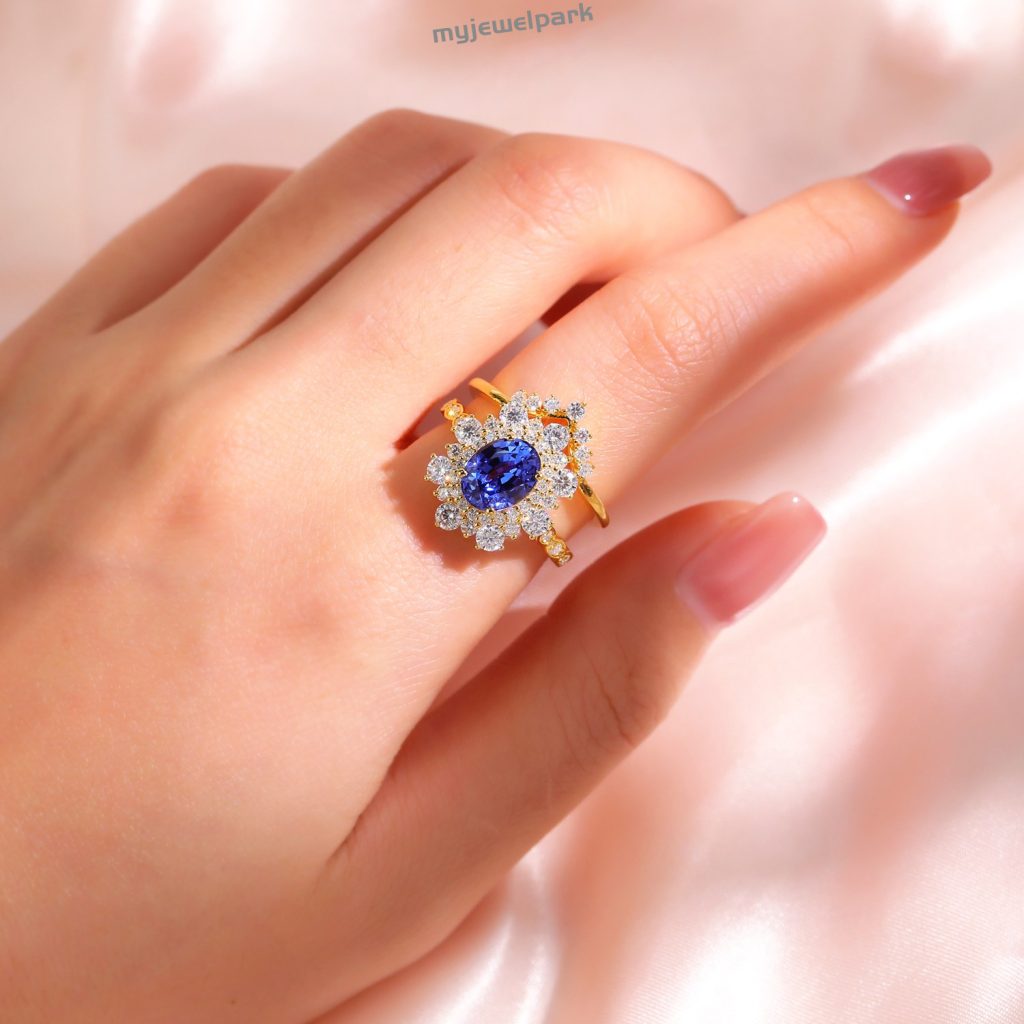
Lab-grown sapphires, however, are produced without these concerns. They offer an eco-friendly and sustainable option for gemstone lovers who care about the environment and ethical sourcing. Many buyers are now prioritizing sustainable jewelry, making lab-grown sapphires an attractive choice.
A Reddit user commented on the r/jewelry forum: “I wanted a gemstone that was beautiful and ethical, and I found lab-grown sapphires to be the perfect choice. It feels good knowing I’m not contributing to destructive mining practices.”
Affordability
Lab-grown sapphires are generally much more affordable than their natural counterparts. The cost can be up to 40-50% less, depending on the size, color, and quality. This affordability means you can get a larger or higher-quality sapphire for the same price as a smaller or lower-quality natural sapphire. Whether you’re buying a sapphire for an engagement ring or a custom-designed piece, lab-grown sapphires offer great value for money.
A Quora user shared: “I was initially hesitant about lab-grown sapphires because I thought they wouldn’t be as good as natural ones, but I was able to get a much larger stone for half the price. The quality was just as amazing!”
3. Quality and Durability of Lab-Grown Sapphires
Lab-grown sapphires are chemically identical to natural sapphires, meaning they have the same hardness and durability. Sapphires rank 9 on the Mohs hardness scale, making them one of the hardest gemstones in the world—second only to diamonds. This makes them an excellent choice for engagement rings and other pieces that require daily wear, as they are highly resistant to scratches and damage.
When it comes to clarity and color, lab-grown sapphires often come with fewer inclusions and imperfections than their natural counterparts. Since they are grown in controlled environments, lab-grown sapphires can be made to exhibit perfect clarity and vibrant, consistent color. However, it’s still important to inspect the gem carefully, as even lab-grown sapphires can have inclusions, though these are often less noticeable than those in natural stones.
4. Variety of Colors and Cuts
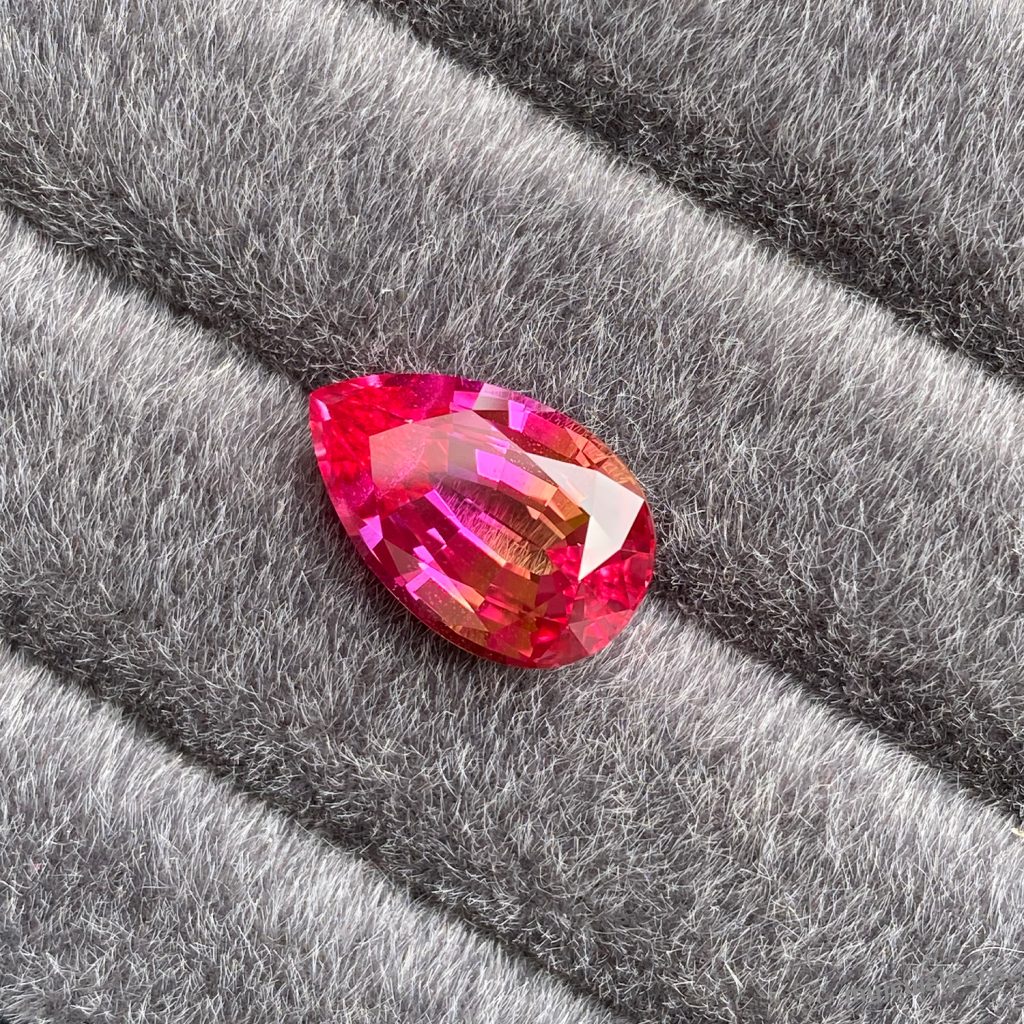
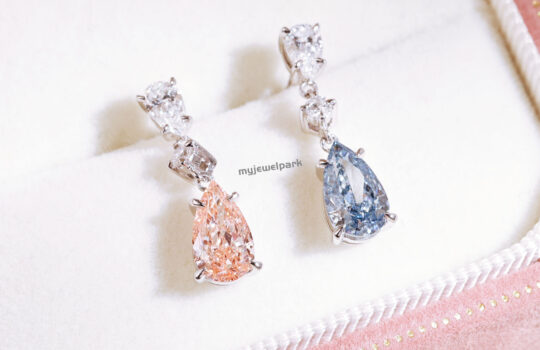
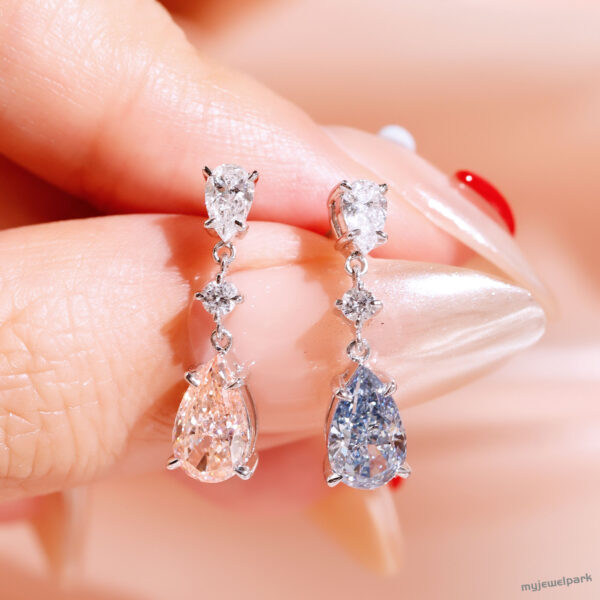
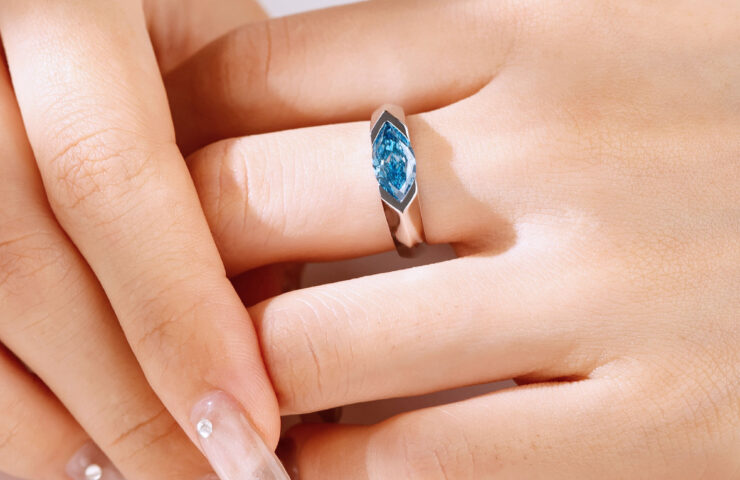
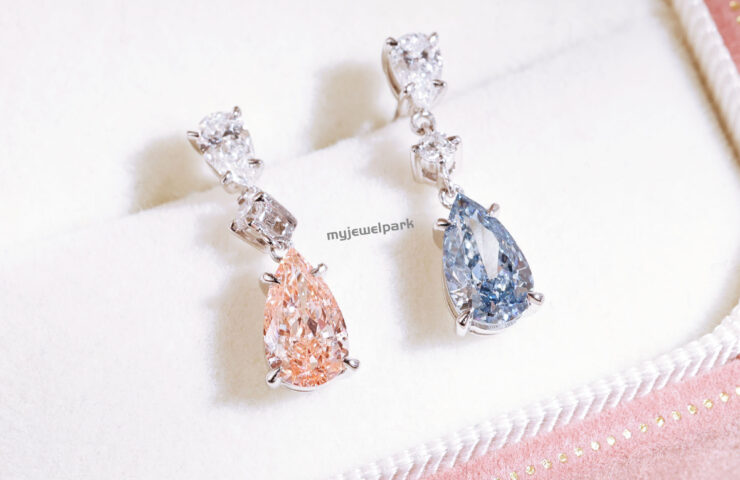
One of the advantages of lab-grown sapphires is the variety of colors and cuts available. Sapphires come in almost every color of the rainbow, with blue being the most popular. But lab-grown sapphires are available in stunning shades of pink, yellow, green, purple, and even the rare padparadscha (a mix of pink and orange).
Since lab-grown sapphires are created in a lab, they can be designed and manufactured in a variety of shapes and sizes. From round to oval, cushion to emerald, the cutting process can be tailored to suit your specific preferences. Whether you’re looking for a traditional or modern look, lab-grown sapphires can be customized to fit your design vision.
On r/engagementrings, a user posted: “I was really drawn to the color variety of lab-grown sapphires. I wanted something unique for my engagement ring, and a lab-grown green sapphire was perfect for my fiancé’s style.”
5. Certifications and Authentication
When buying a lab-grown sapphire, it’s important to look for proper certification to ensure that the gemstone is indeed lab-grown. Reputable jewelers and online retailers will provide a certificate of authenticity, often from gemological institutes such as the Gemological Institute of America(GIA) or the International Gemological Institute (IGI).
These certificates will not only confirm that the sapphire is lab-grown, but they may also provide valuable information about the color, clarity, cut, and carat weight of the gemstone. This ensures that you are getting a gemstone that meets your expectations in terms of quality and value.
6. Consider the Brand and Reputation
Like any gemstone, it’s important to buy your lab-grown sapphire from a reputable retailer. Look for jewelers who specialize in ethical jewelry and who provide transparency about the sourcing and production of their gemstones. Many buyers find peace of mind knowing they are supporting brands that prioritize sustainability and responsible sourcing.
Before making a purchase, read customer reviews and ratings. This can give you insight into the experiences of other buyers and help you choose a retailer that offers high-quality products and excellent customer service.
A user on Quora wrote: “I always check reviews and ratings before buying anything, especially when it comes to gemstones. Lab-grown sapphires are a significant investment, and it’s important to buy from a trustworthy jeweler.”
7. The Growing Popularity of Lab-Grown Sapphires
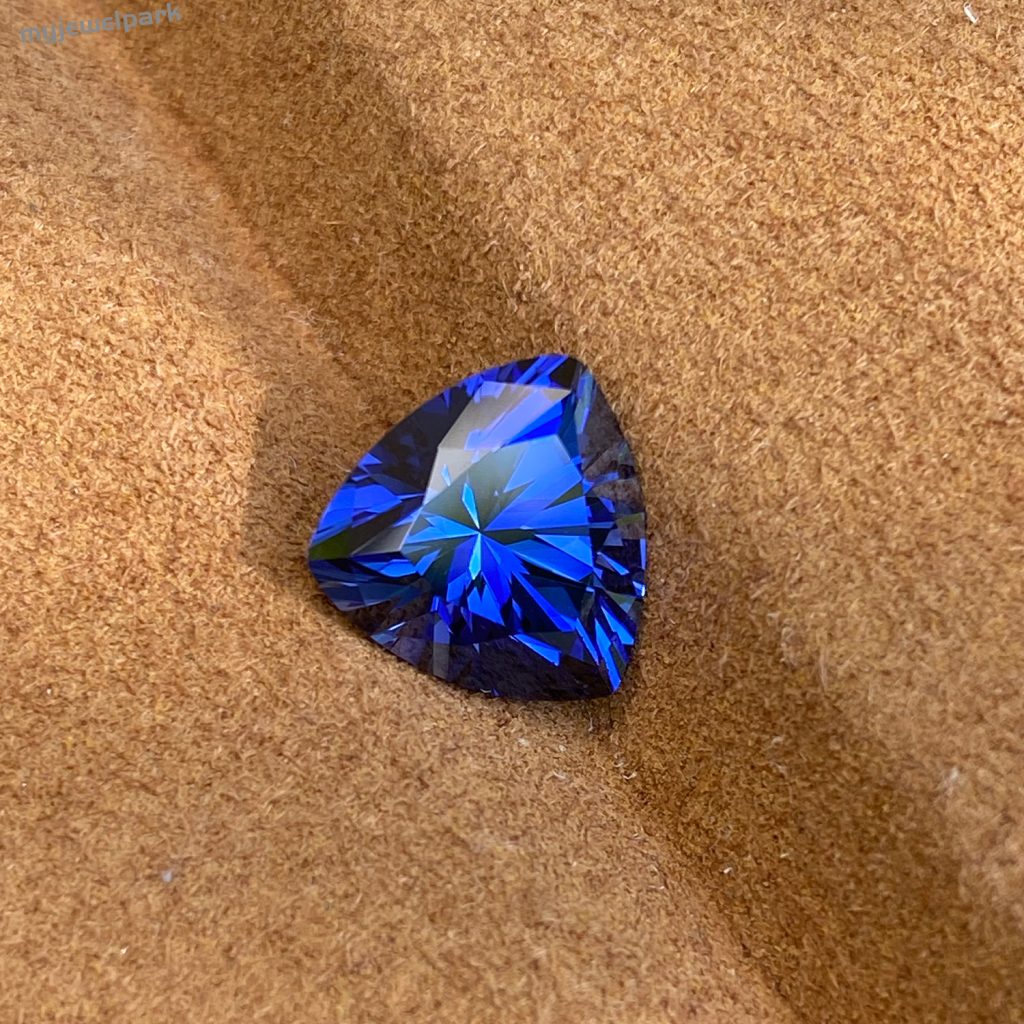
As more people become aware of the environmental and ethical benefits of lab-grown sapphires, demand for these stones is steadily increasing. Social media platforms like Instagram and Pinterest are filled with stunning images of lab-grown sapphire jewelry, helping to further popularize these ethical gemstones.
Moreover, influencers and jewelry designers are beginning to feature lab-grown sapphires in their collections, making them more mainstream. Whether you’re interested in a classic blue sapphire or a unique pink sapphire engagement ring, the choices are vast and only continue to grow.
Another user on r/jewelry shared: “I’ve seen so many people talking about lab-grown sapphires lately. It’s crazy how much they’ve grown in popularity, and honestly, I can’t recommend them enough for anyone who wants a gorgeous, affordable, and ethical gemstone.”
Should You Buy a Lab-Grown Sapphire?
For anyone who seeks beauty, sustainable and affordable gemstones, the sapphire growing in laboratory is an excellent choice. Just remember to conduct research, check for authentication and buy from well -known retailers to ensure that your best gemstone meets your needs. With its amazing color, excellent durability and sustainable production, the sapphire growing in the laboratory is definitely a wise choice for modern jewelry lovers.
About Us
China Luster is one of the largest lab-grown gemstone and gold and silver jewelry manufacturers in Wuzhou. Integrating design, production and sales since 1997, exporting to all over the world. Focusing on hand-cutting and grinding, with more than 27 years of manufacturing experience. We sell high-quality lab-grown gemstones and diamonds. Customized and inlaid by masters with more than 20 years of experience in fine cutting of natural gemstones. They are relatively cheaper than natural ones, and their physical and chemical properties are exactly the same as natural ones, except that natural ones lack a little historical value. All products are discounted during the promotion period 👉