How to Tell the Difference Between Lab-Grown and Natural Gemstones
When shopping for gemstones, many people may wonder how to distinguish between lab-grown and natural stones. Both types of gemstones can be beautiful and of high quality, but they have different origins and characteristics. Here are some simple ways to help you tell the difference.
1. Understanding the Basics:
First, it’s essential to know what lab-grown and natural gemstones are. Natural gemstones are formed in nature over millions of years, while lab-grown gemstones are created in a laboratory using technology that replicates natural conditions. Although both types have the same chemical composition and physical properties, their origins are what set them apart.
2. Inclusions and Bubbles:
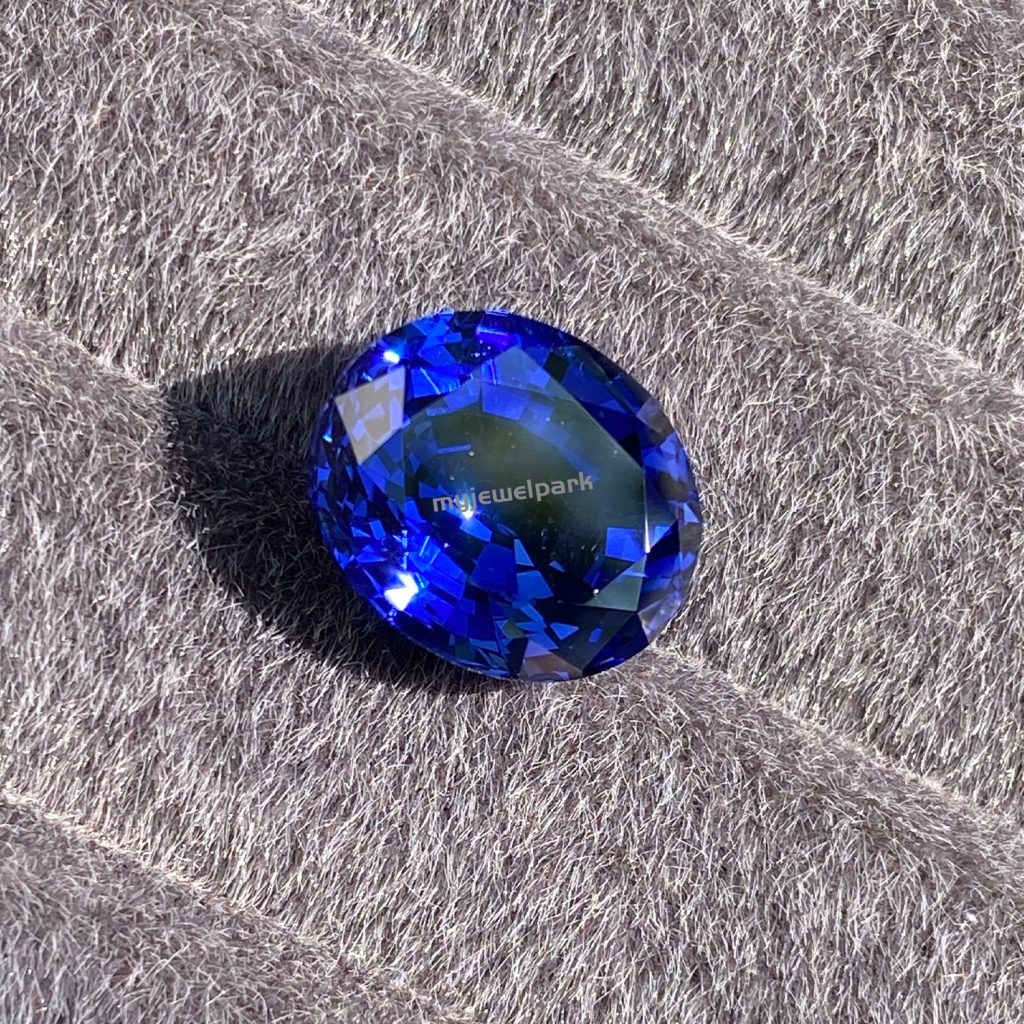
One of the easiest ways to differentiate between lab-grown and natural gemstones is by examining inclusions. Inclusions are natural imperfections within a stone. Natural gemstones often have unique inclusions formed during their creation in nature, while lab-grown stones may have more uniform or distinct patterns, often including gas bubbles. A jeweler can help you examine a gemstone under magnification, making it easier to spot these differences.
3. Certificates and Reports:
When buying gemstones, look for certification from reputable gemological institutions. These certifications can provide valuable information about a gemstone’s origin. Lab-grown stones are typically labeled as such in their certificates, which can help you verify whether you are purchasing a natural or a lab-grown gem.
4. Price Point:
Cost can also be a clue in determining whether a gemstone is lab-grown or natural. Lab-grown gemstones are typically less expensive because they can be produced quickly and in large quantities. If a gemstone is significantly cheaper than others of the same type, it may be lab-grown.
5. Color and Clarity:
Lab-grown gemstones can often be more vibrant and clearer than their natural counterparts due to controlled growing conditions. While natural stones can have beautiful and rich colors, they may also contain more inclusions that affect their clarity. If a stone appears too perfect, it might be worth questioning its origin.
6. Ask the Seller:
When in doubt, asking the seller directly can provide clarity. Reputable jewelers should be transparent about the origin of their gemstones. They can explain whether the stone is lab-grown or natural and provide documentation to support their claims.
Understanding the differences between lab-grown and natural gemstones can enhance your buying experience and help you make informed decisions. By checking for inclusions, looking for certification, considering the price point, and asking questions, you can confidently choose the right gemstone for your collection. Whether you opt for the ethical appeal of lab-grown stones or the unique beauty of natural ones, both can bring joy and elegance to your life.