How to Tell the Difference Between Natural and Cultured Emeralds in 6 Seconds
Emeralds are cherished for their stunning green color and rarity. However, not all emeralds are created equal. You might encounter both natural and cultured emeralds, and knowing how to tell them apart quickly can help you make informed purchases. Here are some simple tips to differentiate between the two in just six seconds.
1. Check for Inclusions:
The first thing to look for is inclusions—natural flaws or features within the stone. Natural emeralds often have unique inclusions, which can create a “garden” effect. This term refers to the complex internal features that give each stone its character. In contrast, cultured emeralds (also called synthetic) may have fewer and more uniform inclusions. Examine the stone closely; if the inclusions look too perfect or identical, it’s likely cultured.
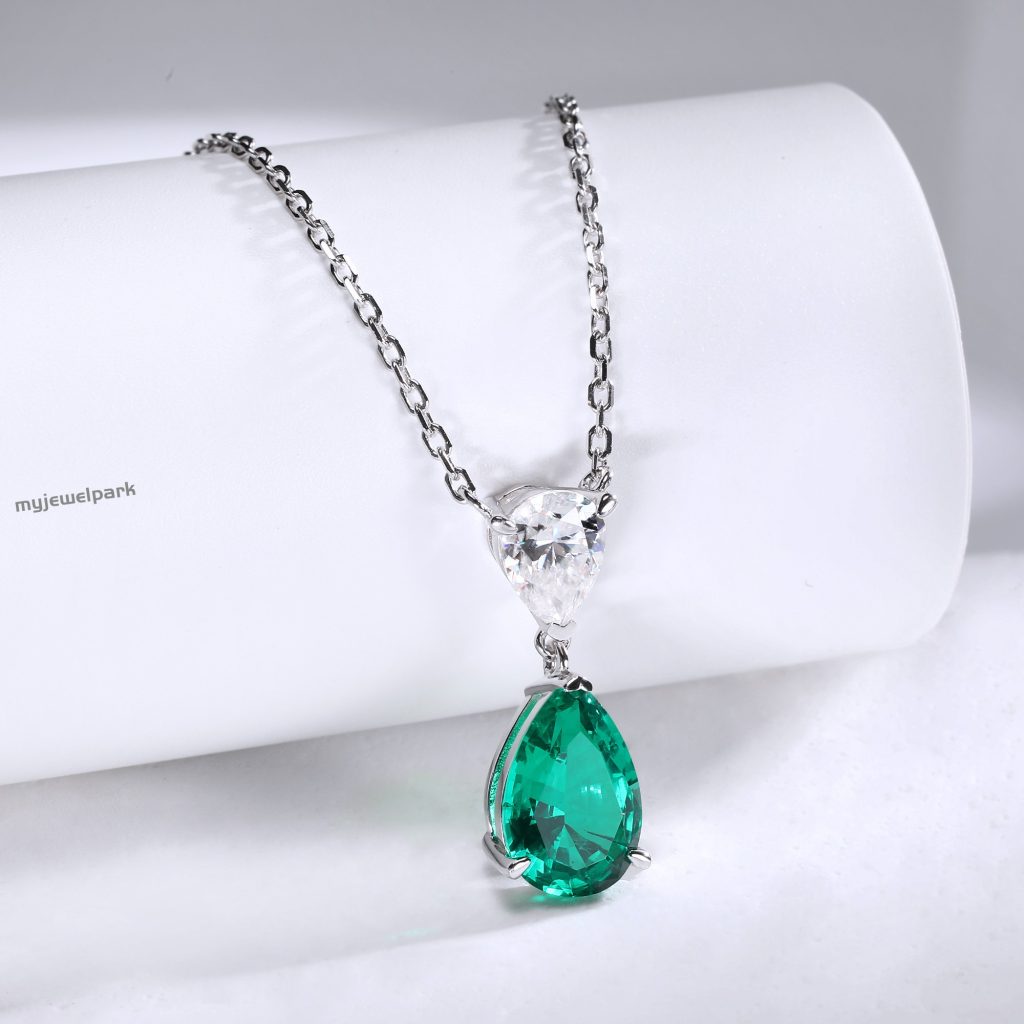
2. Examine Color Variations:
Natural emeralds usually exhibit slight color variations due to their formation in nature. This means you might see different shades of green or hints of yellow and blue. Cultured emeralds, on the other hand, tend to have a more consistent and uniform color. If the stone appears almost too vibrant or lacks variation, it may be cultured.
3. Use a Jeweler’s Loupe:
If you have access to a jeweler’s loupe (a small magnifying glass), use it for a quick inspection. Look for color zoning and the types of inclusions. Natural emeralds often show more irregular patterns, while cultured stones can display repetitive patterns or gas bubbles. You don’t need to be a gemologist—just a quick glance can reveal much.
4. Ask About Certification:
A reputable seller will provide information about the emerald’s origin. Ask for certification details. Natural emeralds are typically accompanied by a detailed report from a gemological laboratory, while cultured stones might not be. If they can’t provide proof, it’s a red flag.

5. Evaluate the Price:
Consider the price point. Natural emeralds are usually more expensive due to their rarity. If the price seems too good to be true for an emerald, especially if it’s large, it could be a cultured stone. Take note of the difference—higher prices usually indicate natural stones.
6. Trust Your Seller:
Lastly, trust your seller. A reputable jeweler should be transparent about the stones they sell. Don’t hesitate to inquire about the stone’s origin. Honest sellers will be happy to provide the information you need.
Identifying the difference between natural and cultured emeralds doesn’t have to be complicated. Just remember to look for inclusions, examine color variations, use a loupe, ask for certification, consider the price, and trust your seller. With these quick tips, you’ll be equipped to make informed choices and find the perfect emerald that suits your style and integrity!