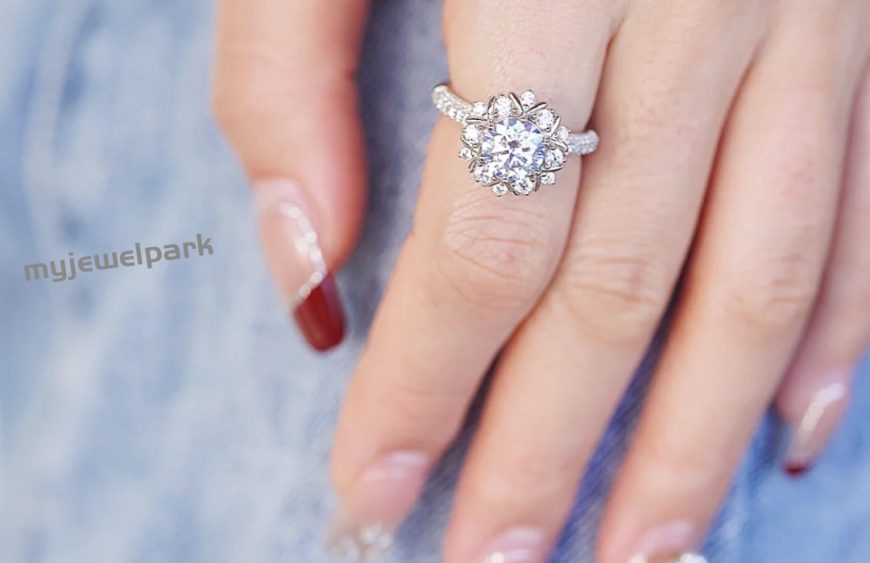
Lab-Grown Colored Diamonds: Can They Match the Rarity of Natural Pink or Blue?
The allure of natural colored diamonds, like vivid pink or deep blue, lies in their stunning beauty and geological rarity. Formed over billions of years under extreme pressure and unique chemical conditions, these gems are among Earth’s most unique treasures. But as lab-grown diamond technology advances, can lab-grown colored diamonds truly match the mystique of natural colored diamonds, especially in terms of rarity?
The Science Behind the Sparkle
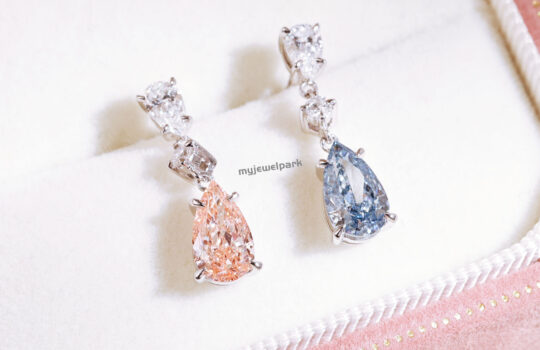
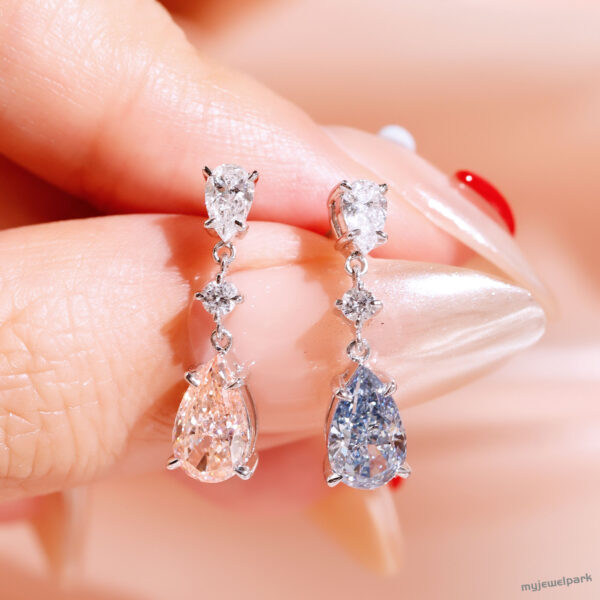
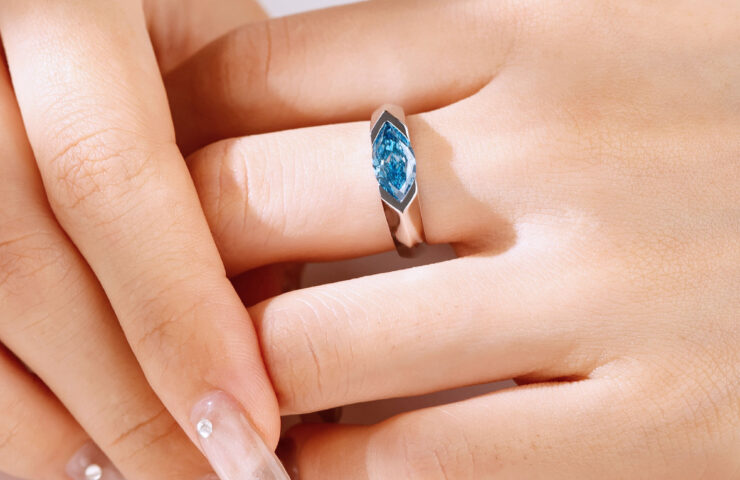
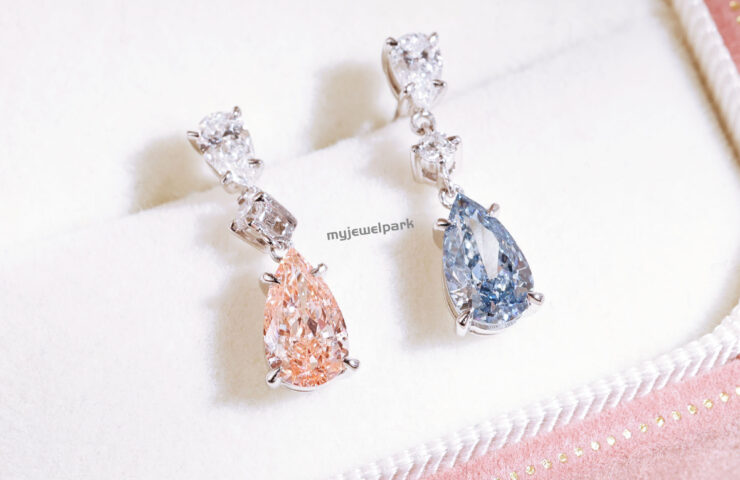
Lab-grown colored diamonds, created using methods like Chemical Vapor Deposition (CVD) or High-Pressure High-Temperature (HPHT), replicate the atomic structure of natural diamonds. Today’s technology allows precise control over hue and saturation, producing stunning pinks, blues, and even rare shades like violet. As one Reddit user in r/SyntheticGemstones noted, “I was skeptical until I saw a lab-grown blue diamond side-by-side with a natural one. The color was identical—just without the six-figure price tag.”
Breaking Stereotypes: “Flaws” That Feel Real
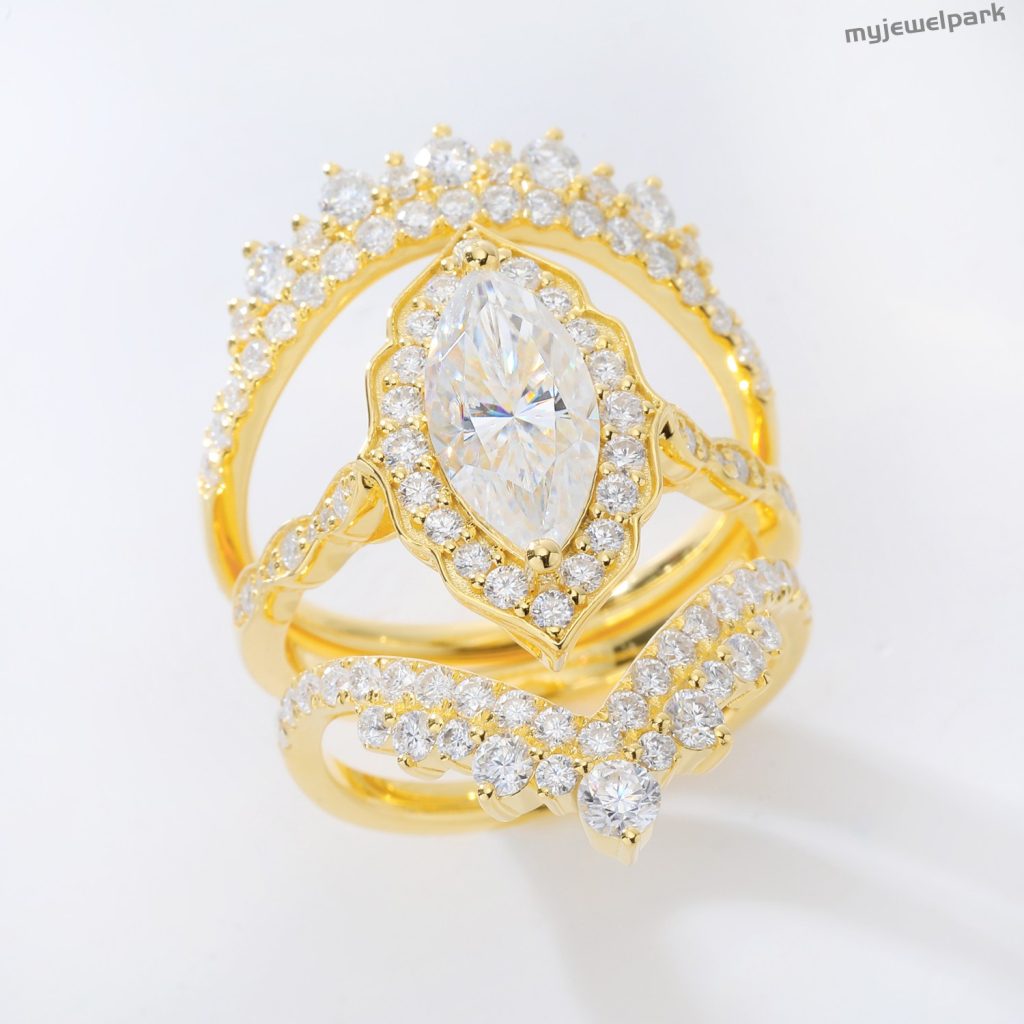
A common misconception is that lab-grown diamonds are “too perfect.” Natural diamonds often contain inclusions—tiny imperfections that add character—and buyers historically associated these flaws with authenticity. However, innovators are now intentionally replicating inclusions in lab-grown gems. For example, a Quora thread highlighted how one lab “used graphite inclusions to mimic the ‘feathers’ seen in natural stones, making them virtually indistinguishable under a microscope.” This blurring of lines challenges the notion that cultured gems lack depth or uniqueness.
Rarity vs. Accessibility: A Shifting Perspective
Natural colored diamonds derive value from scarcity. The Argyle Pink Diamond mine’s 2020 closure, for instance, spiked demand for its rare gems. Lab-grown alternatives, while visually similar, are inherently more accessible. Yet, as ethical and sustainable jewelry trends rise, younger buyers increasingly prioritize eco-friendly gems over traditional mining. A viral TikTok comment sums it up: “Why dig up the Earth when science can create the same sparkle?”
The Emotional Factor
For some, natural diamonds hold irreplaceable sentimental value tied to their ancient origins. A Reddit debate in r/Diamonds revealed split opinions: One user argued, “A natural diamond feels like holding a piece of planetary history,” while another countered, “My lab-grown pink diamond symbolizes human ingenuity—that’s just as meaningful.”
Future
Lab-grown colored diamonds may never replicate the geological rarity of natural ones, but they’re carving their own niche. With customizable colors, ethical appeal, and evolving tech that mimics nature’s “imperfections,” they offer a compelling alternative. As one industry expert told Jewellery Monthly: “Rarity is subjective. For modern buyers, sustainability and affordability often outweigh old definitions of ‘value.’”
About Us
China Luster is one of the largest lab-grown gemstone and gold and silver jewelry manufacturers in Wuzhou. Integrating design, production and sales since 1997, exporting to all over the world. Focusing on hand-cutting and grinding, with more than 27 years of manufacturing experience. We sell high-quality lab-grown gemstones and diamonds. Customized and inlaid by masters with more than 20 years of experience in fine cutting of natural gemstones. They are relatively cheaper than natural ones, and their physical and chemical properties are exactly the same as natural ones, except that natural ones lack a little historical value. All products are discounted during the promotion period 👉