The Real Cost of Natural Rubies: Why Lab-Grown Might Be the Smarter Choice
For centuries, natural rubies have symbolized passion, wealth, and power. From royal crowns to celebrity engagement rings, these vivid red gemstones captivate collectors and buyers alike. However, behind their beauty lies a complex reality—one that raises ethical, environmental, and financial concerns. As technology advances, lab-grown rubies are emerging as a compelling alternative, offering the same dazzling appeal without the hidden costs. Could these scientifically crafted gems be the future of fine jewelry?
The Hidden Costs of Natural Rubies
Natural rubies are among the rarest and most valuable gemstones on the market, often fetching tens of thousands of dollars per carat. The reason? True, high-quality rubies are incredibly scarce. Most natural rubies come from Myanmar, a country long associated with conflict and unethical mining practices. Reports from organizations like Human Rights Watch have highlighted the links between gemstone mining and forced labor, making ethical sourcing a major concern for conscious consumers.
Beyond ethical issues, mining for natural rubies wreaks havoc on the environment. Traditional mining methods lead to deforestation, soil erosion, and water contamination. Large-scale ruby extraction leaves behind devastated landscapes and disrupts local ecosystems—factors that many modern consumers can no longer ignore.
The Rise of Lab-Grown Rubies
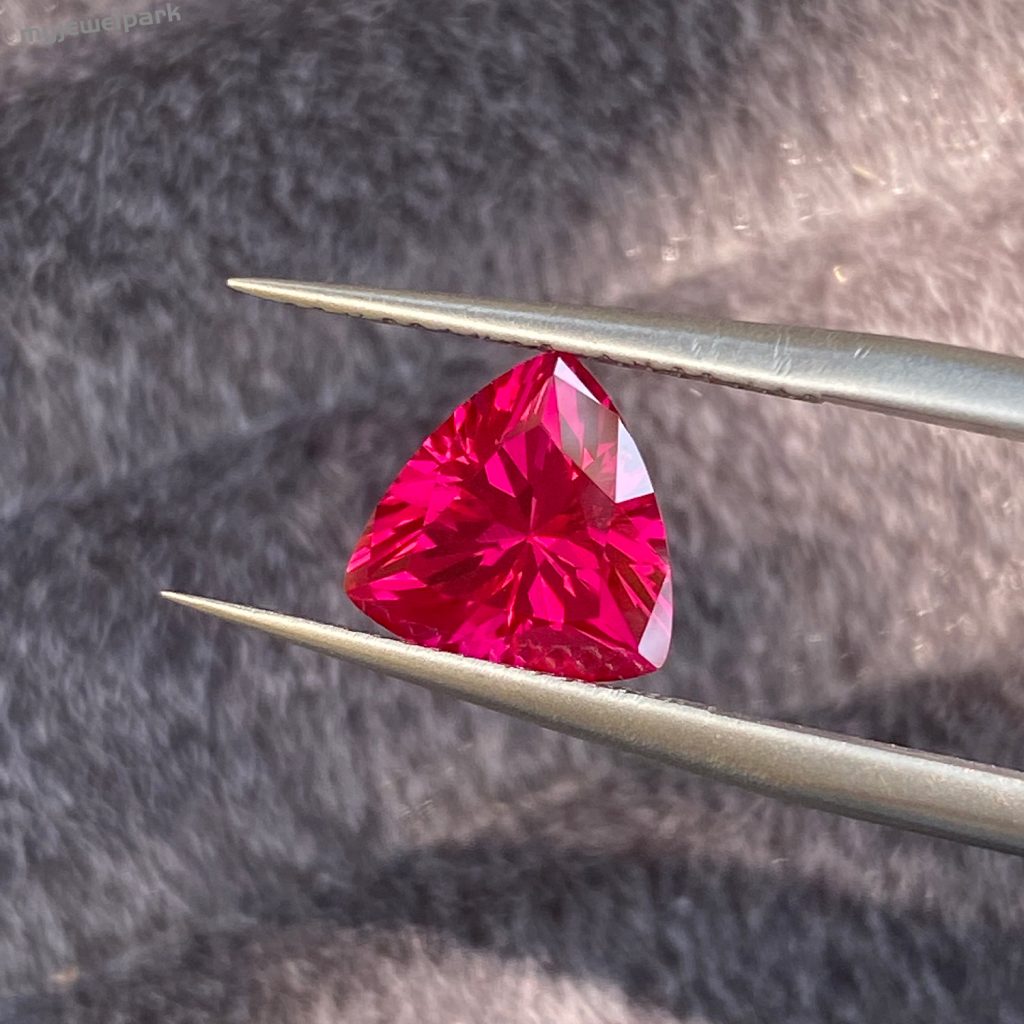
Enter lab-grown rubies, also known as synthetic or cultured rubies. These gems are produced using advanced techniques like flame fusion and hydrothermal synthesis, allowing scientists to replicate the exact conditions under which natural rubies form. The result? Chemically, physically, and optically identical rubies—without the ethical or environmental toll.
One of the biggest misconceptions about lab-grown gemstones is that they are somehow “fake” or “inferior.” In reality, even trained gemologists often need specialized equipment to distinguish lab-created rubies from their natural counterparts. The Gemological Institute of America (GIA) has confirmed that synthetic rubies possess the same crystal structure, hardness (9 on the Mohs scale), and brilliance as mined rubies. In fact, some even contain carefully engineered inclusions to mimic natural flaws, making them indistinguishable to the naked eye.
Why Consumers Are Embracing Lab-Grown Jewelry
A growing number of jewelry buyers—especially millennials and Gen Z consumers—are shifting toward lab-created gemstones. According to a report by Bain & Company, the demand for ethical, sustainable luxury has surged in recent years, with lab-grown diamonds and colored gemstones gaining mainstream acceptance. Social media influencers and eco-conscious celebrities, such as Emma Watson, have championed lab-grown jewelry, further fueling its popularity.
Psychologically, wearing lab-grown rubies offers a sense of pride in making an ethical, sustainable choice. Unlike traditionally mined rubies, which carry the weight of environmental destruction and ethical concerns, lab-grown rubies allow wearers to enjoy luxury guilt-free. And let’s not forget the cost factor—lab-created rubies are typically 30-50% more affordable than their natural counterparts, making them an attractive option for budget-conscious buyers.
The Future of Fine Jewelry
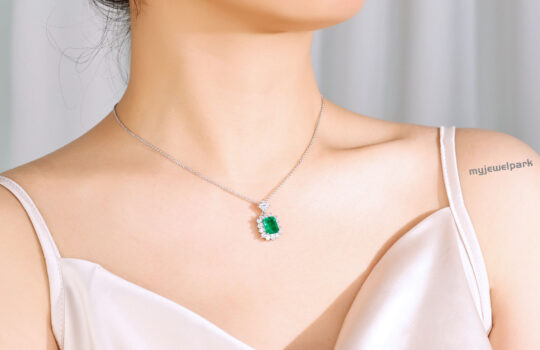
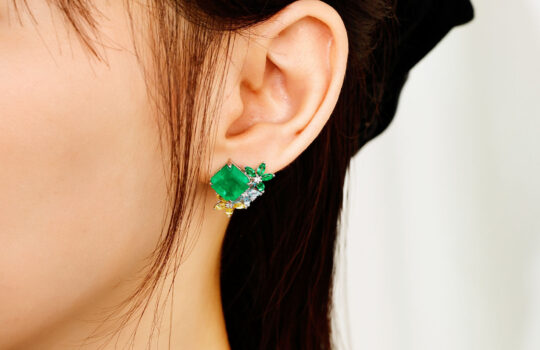
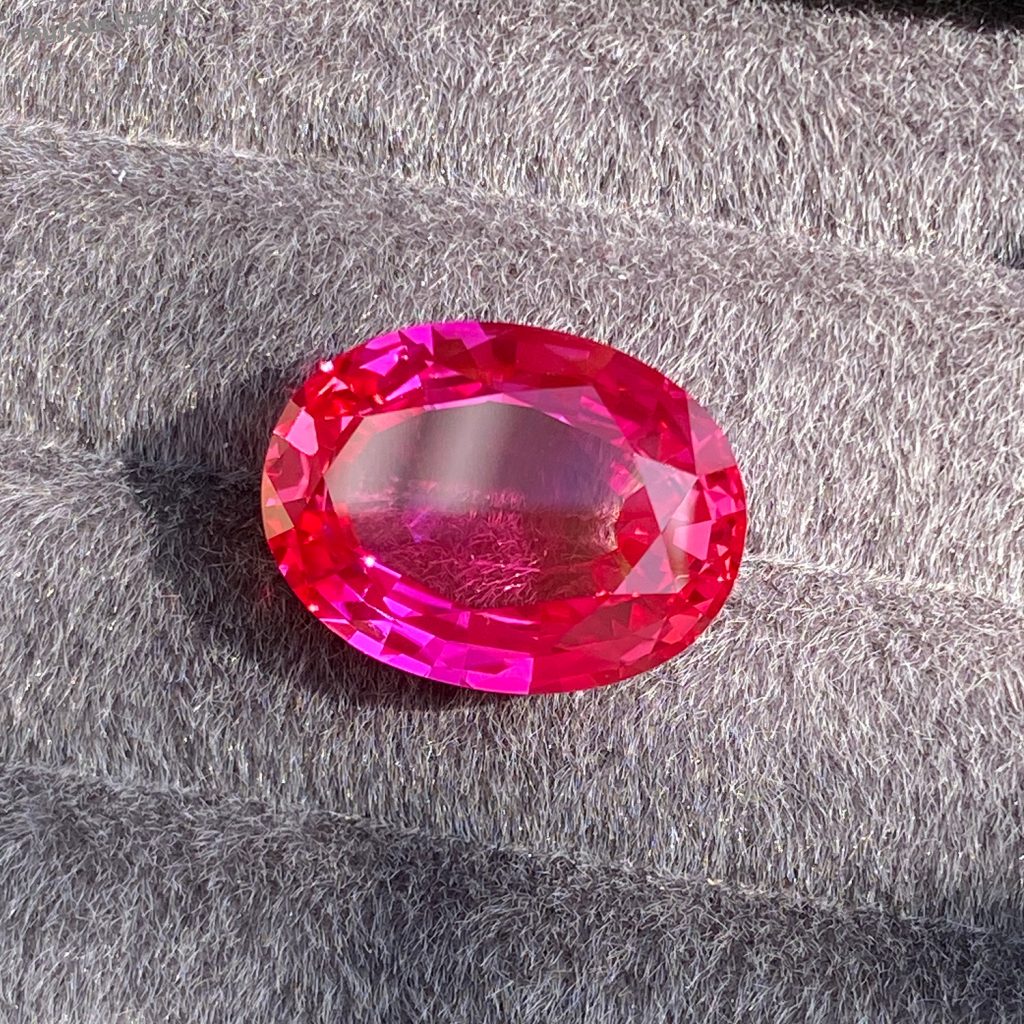
With technological advancements, the quality of lab-grown gemstones continues to improve. Today, cultured emeralds can even mimic the natural inclusions and slight milkiness that once set mined emeralds apart. Similarly, lab-created rubies now feature the same depth of color and fluorescence as their natural equivalents.
As more consumers prioritize sustainability and ethical sourcing, the jewelry industry is undergoing a transformation. While natural rubies will always have historical allure, lab-grown rubies offer an equally stunning, conflict-free, and eco-friendly alternative. As awareness grows, it’s clear that lab-grown gemstones are not just a trend—they are the future of fine jewelry.