The Secret Jewelers Won’t Tell You About Lab-Grown Sapphires
For years, the jewelry industry has centered its marketing around natural gemstones, reinforcing the idea that only mined stones hold real value. But what if I told you that some jewelers are keeping a secret about lab-grown sapphire? Despite their growing popularity, many jewelers hesitate to discuss them because they challenge the high-profit margins of natural gemstones.
So, what’s the truth about lab-created sapphires? Are they just as good as natural ones? And why do some people still hesitate to embrace them? Let’s uncover the hidden truths about these stunning gems.
1. Lab-Grown Sapphires Are Identical to Natural Ones—But Cost 80% Less
The biggest misconception about lab-grown sapphire is that they’re somehow “fake.” The truth? They are real sapphires.
- Both natural and lab-grown sapphires share the same chemical composition, hardness (9 on the Mohs scale), and durability.
- The only difference is how they are formed—natural sapphires take millions of years to develop in the Earth, while lab-grown sapphires are created in weeks using high-tech methods like hydrothermal growth and flame fusion.
Despite their identical structure, lab-grown sapphires cost 30-80% less than their natural counterparts. However, many jewelers won’t readily offer them because the profit margins on mined sapphires are significantly higher.
Reddit user u/RealGemCollector explains: “I walked into a jewelry store asking about lab sapphire, and the saleswoman kept steering me toward natural ones. Turns out, they barely make money on the lab ones!”
2. The Jewelry Industry Profits From Keeping Lab Sapphires a Secret
For decades, the gemstone industry has promoted the idea that natural stones are superior, fueling high demand and inflated prices. Lab-grown sapphire threaten this traditional business model.
- Many jewelers intentionally downplay lab-created gems, despite their identical beauty and durability.
- Some stores don’t stock them at all because they fear losing high-end customers who equate “natural” with “luxury.”
This secrecy has caused psychological resistance among some buyers. Many believe that if a gemstone isn’t pulled from the Earth, it’s somehow “less valuable”—even though scientifically, there’s no difference.
Quora user @LuxuryJewelryEnthusiast wrote: “I used to think lab-grown meant fake until I saw a side-by-side comparison. Now, I only buy lab sapphires—why pay more for the same thing?”
3. Lab-Grown Sapphires Are More Ethical and Sustainable
One major advantage of lab-created sapphires is their ethical production. Mining for natural gemstones often involves:
1、❌ Environmental destruction – Mining disrupts ecosystems and contributes to pollution.
2、❌ Unethical labor practices – Some sapphire mines, especially in developing countries, use exploitative labor conditions.
By contrast, lab-grown sapphires require no mining, making them a sustainable and conflict-free choice.
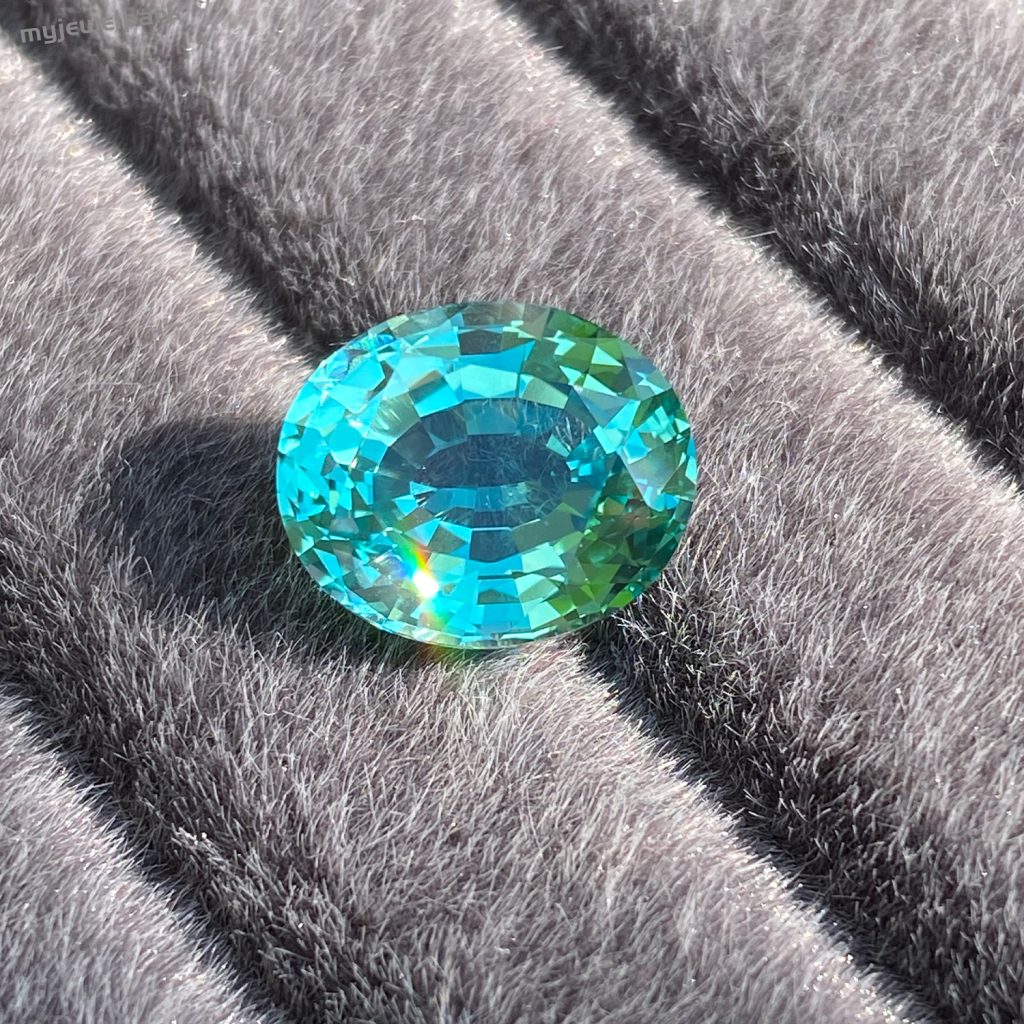
4. The Future: Lab-Grown Sapphires Are Becoming Indistinguishable
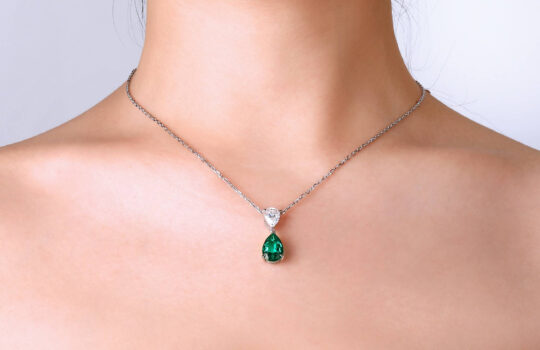
Just like lab-grown emeralds, which now have natural-looking inclusions and a milky body, modern lab sapphires are crafted to be nearly impossible to distinguish from natural ones. Even experienced gemologists often need specialized equipment to tell them apart.
With advanced growth techniques, today’s lab sapphires have:
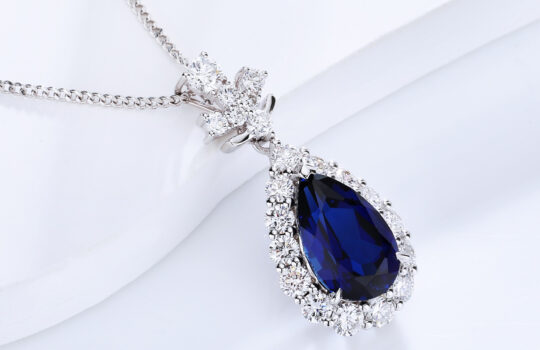
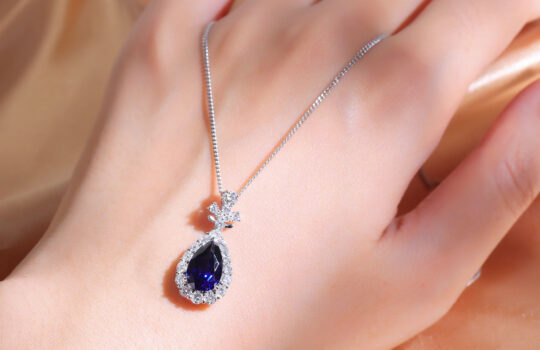
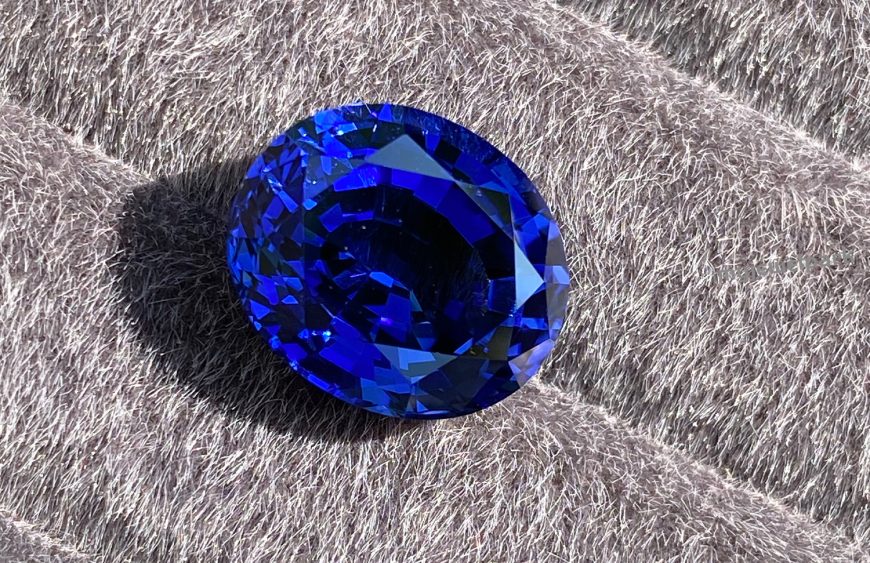
1、✅ The same deep blue color as high-end natural sapphires
2、✅ Realistic inclusions to mimic natural formation
3、✅ Perfect clarity and brilliance
Final Thoughts: Should You Buy Lab-Grown Sapphires?
If you want beauty, durability, and affordability, a lab-grown sapphire is the best value. You get the same stunning gemstone without the excessive price tag or ethical concerns.