What Grade of Emerald Is the Best?
Emeralds, with their deep green hue, have been admired for centuries as one of the most precious gemstones. When buying an emerald, whether natural or lab-grown, it’s crucial to understand how grading works. Emeralds are graded based on several key factors: color, clarity, cut, and carat weight. But when it comes to lab-grown emeralds, does the grading system change?
Emerald Grade Key Factors
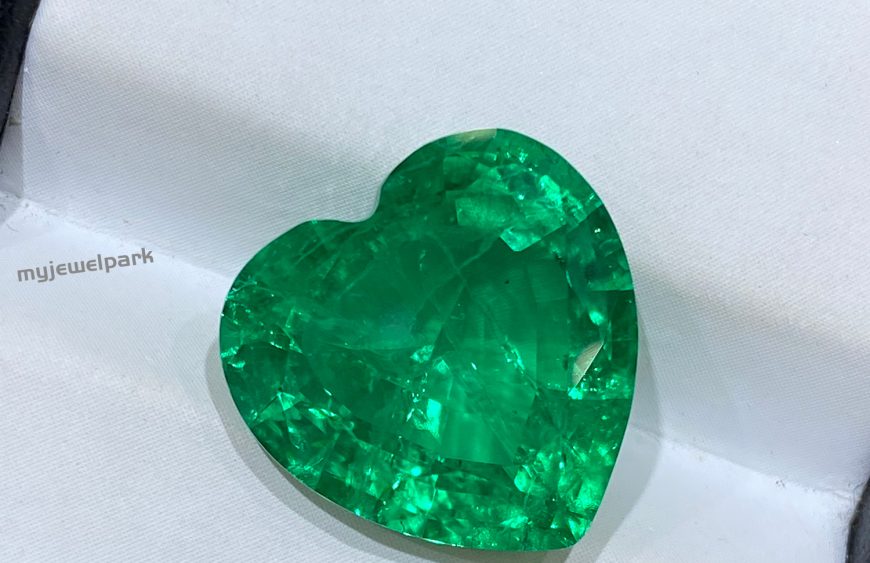
Emerald grading revolves primarily around color. The best emeralds have a vivid green or verdant green color that is intense but not overly dark. The ideal emerald color should have no hint of yellow or blue—just a rich, vibrant green. In fact, color is often the most important factor when it comes to emerald value.
Clarity is the second factor that impacts the grade.
Most emeralds, natural or lab-grown, will have inclusions, also called jardin (French for “garden”), because of the way the stone forms in nature. These inclusions aren’t necessarily a negative thing; in fact, they can be a signature of a natural emerald. A “flawless” emerald is rare and usually extremely expensive. For many buyers, some inclusions are expected and even desirable, as they give the stone character and authenticity.
Next is the cut.
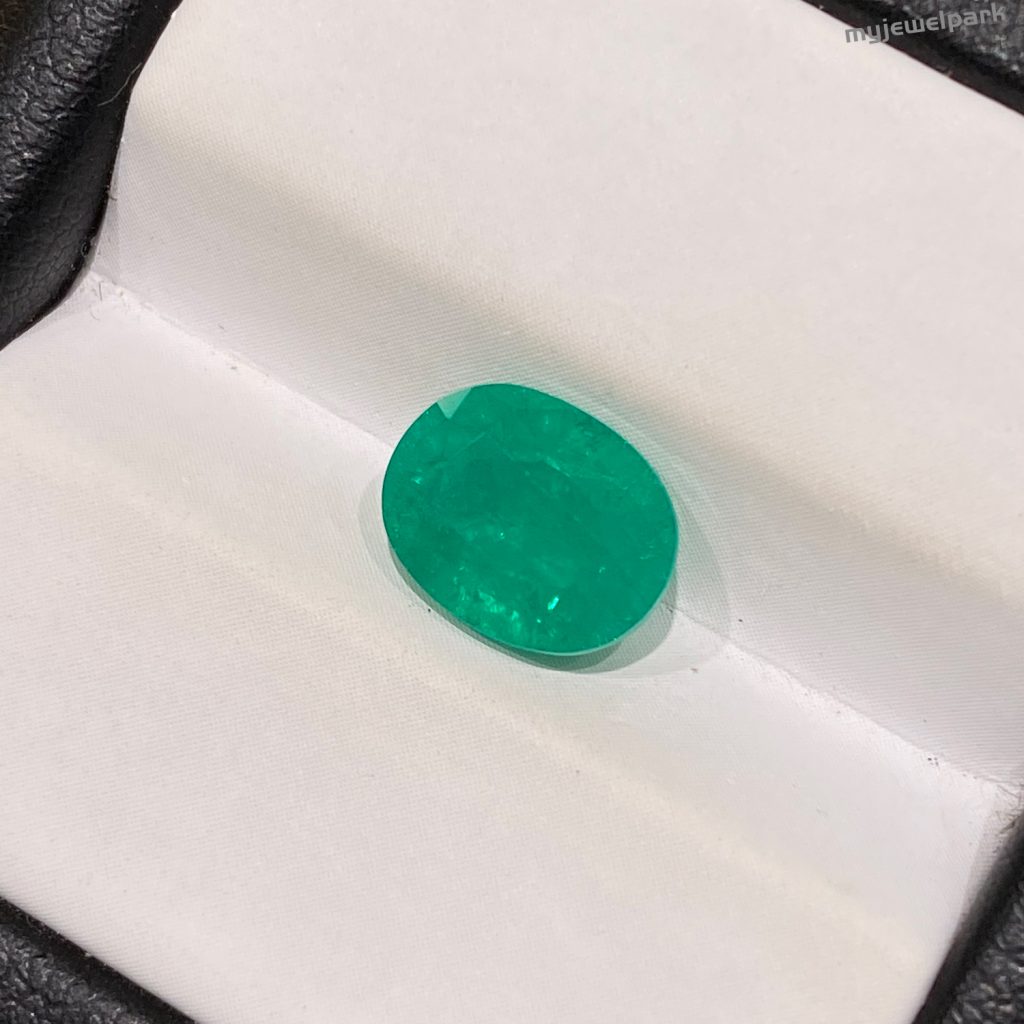
The cut determines how well the emerald has been shaped, with the goal of enhancing its color and sparkle. Given emeralds’ relative softness (compared to diamonds, for example), they’re usually cut into softer, rounded shapes like emerald cuts or oval cuts to prevent damage. Finally, carat weight is simply how large the emerald is, with larger stones being more valuable.
Lab-Grown Emeralds: Matching the Best Natural Stones
When considering lab-grown emeralds, many buyers wonder: Can they match the beauty and quality of natural emeralds? The answer is yes—lab-grown emeralds can achieve the same vivid green color, clarity, and even inclusions that natural emeralds are known for. Thanks to advances in gemstone technology, manufacturers can replicate the same growth conditions in a lab that produce the jardin or characteristic inclusions that make a natural emerald unique.
A post on Quora highlights this: “I was shocked by how realistic lab-grown emeralds look. The color is perfect, and the inclusions are just like natural emeralds. It’s hard to tell the difference unless you’re an expert!” This is great news for buyers, as lab-grown emeralds offer the same aesthetic appeal and quality as their natural counterparts, but at a significantly lower price point.
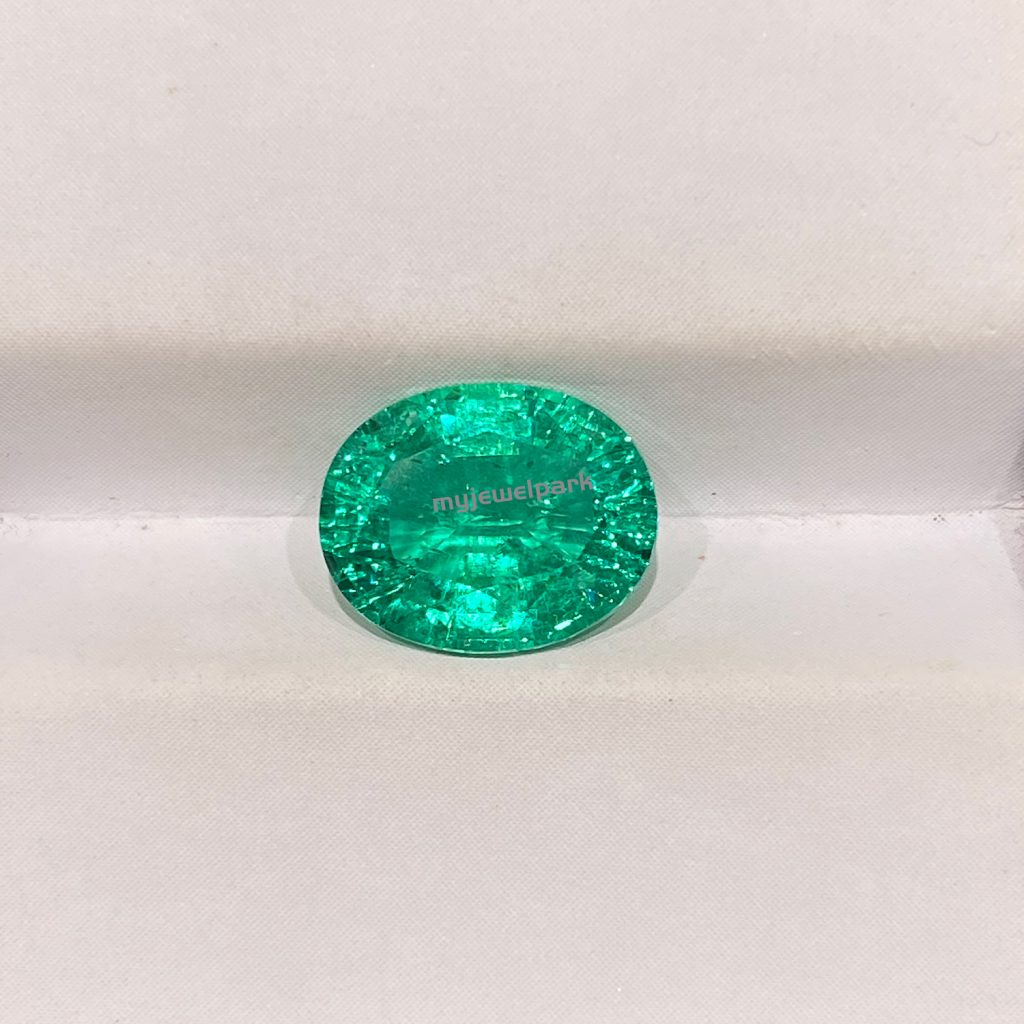
Lab-grown emeralds are also more eco-friendly, with a smaller environmental footprint compared to traditional emerald mining, which often involves destructive mining practices. Many gem manufacturers have worked to perfect their processes, and as a result, lab-grown emeralds are becoming an increasingly popular choice for those seeking the best grade without the ethical concerns of mining.
The Best Grade: Vivid Green
For both natural and lab-grown emeralds, the best grade typically falls under the vivid green or verdant green category. These emeralds showcase the rich, lush green color that emeralds are famous for, without any noticeable yellow or blue tones.
One comment on Reddit stated: “After researching lab-grown emeralds, I realized they’re virtually identical to natural ones, and they’re much more affordable. I bought a lab emerald, and it’s perfect!”
Conclusion
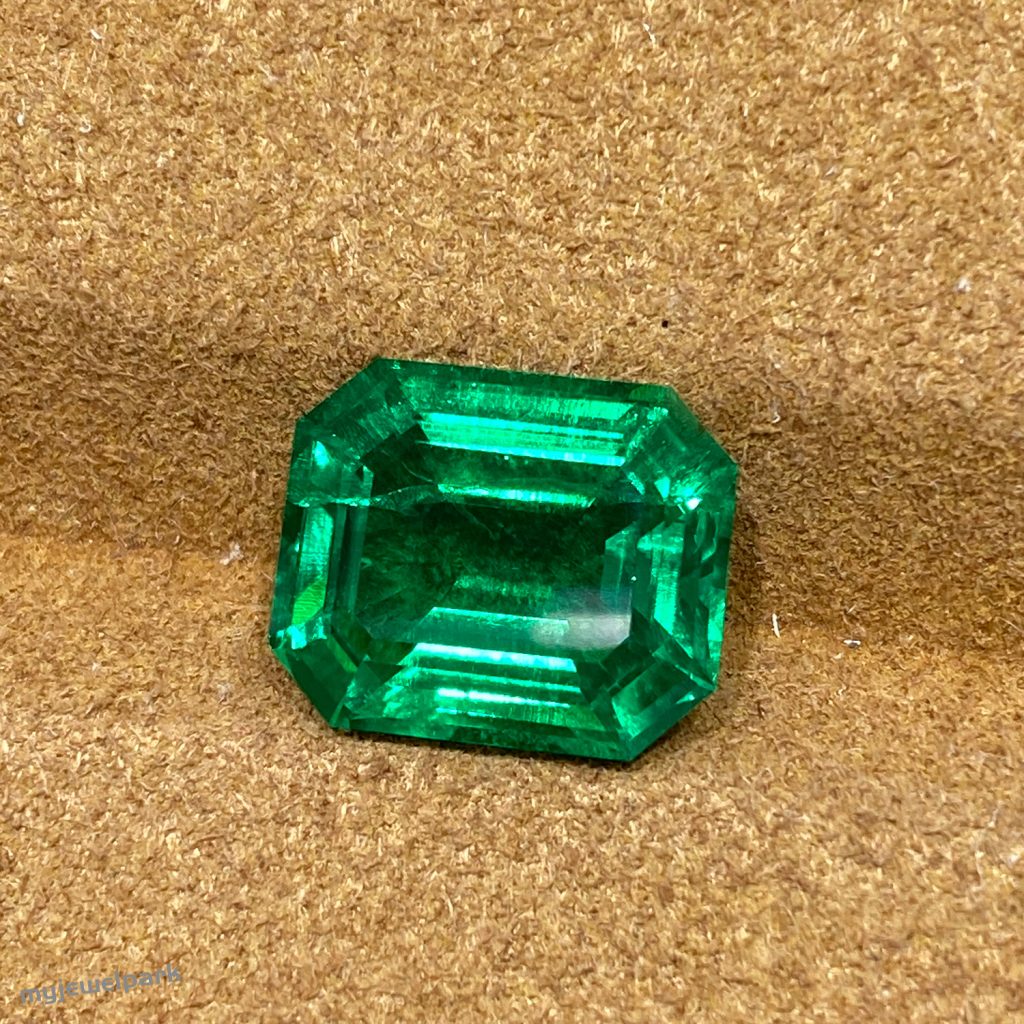
When looking for the best grade of emerald, whether natural or lab-grown, focus on vivid green emeralds with high clarity and well-cut shapes. Thanks to the advancements in lab-grown gemstone technology, these synthetic stones can match natural emeralds in color, clarity, and even inclusions. Plus, they’re more affordable and environmentally friendly.
About Us
China Luster is one of the largest lab-grown gemstone and gold and silver jewelry manufacturers in Wuzhou. Integrating design, production and sales since 1997, exporting to all over the world. Focusing on hand-cutting and grinding, with more than 27 years of manufacturing experience. We sell high-quality lab-grown gemstones and diamonds. Customized and inlaid by masters with more than 20 years of experience in fine cutting of natural gemstones. They are relatively cheaper than natural ones, and their physical and chemical properties are exactly the same as natural ones, except that natural ones lack a little historical value. All products are discounted during the promotion period 👉