Why Is Padparadscha So Expensive?
Padparadscha sapphires are among the rarest gemstones in the world. Their soft blend of pink and orange has been compared to a tropical sunset or lotus flower, but beauty alone doesn’t explain the price tag. These stones regularly sell for more than traditional blue sapphires and can even rival fine rubies in value. The high cost of padparadscha comes from a combination of rarity, inconsistent supply, and tight market standards.
Defining the Color Is Complicated
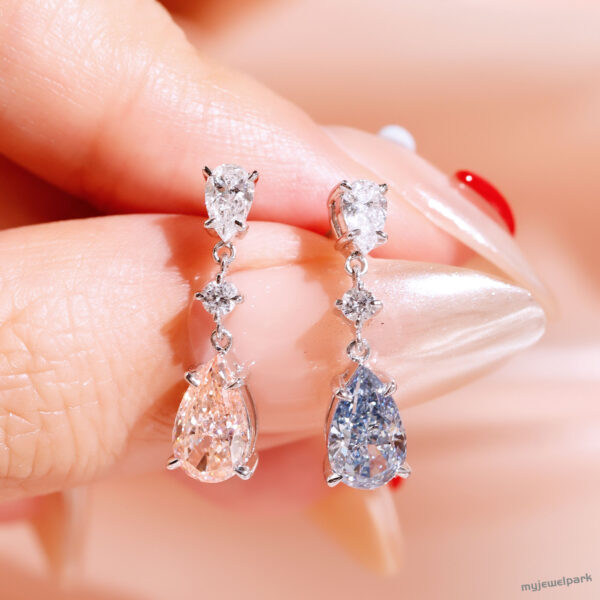
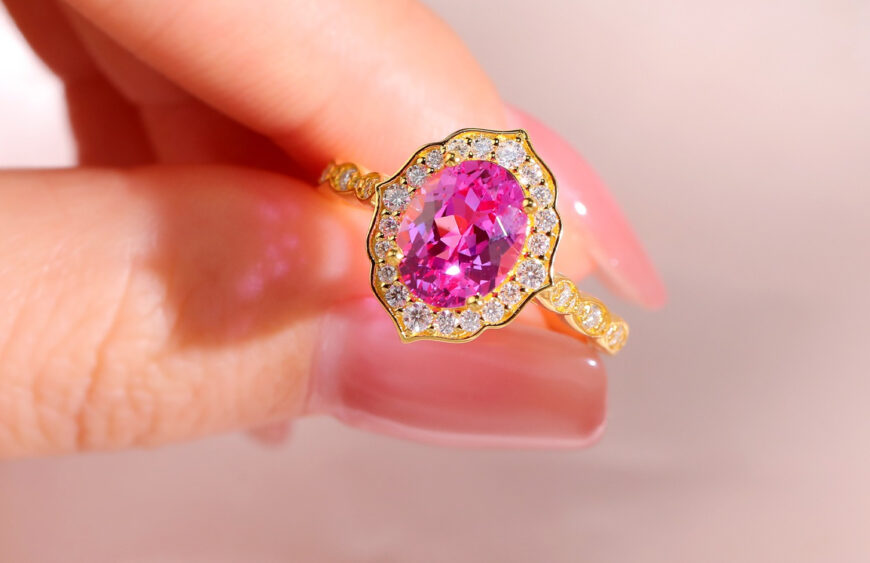
One of the reasons padparadscha sapphires are so expensive is because their classification is tightly controlled. The name comes from the Sinhalese word for lotus blossom, but the exact color range is still debated. Too much pink and it looks like a pink sapphire. Too much orange and it risks being mistaken for a spessartite garnet. Only stones with a precise balance of pink and orange qualify, making them extremely rare.

Gem labs such as GIA and SSEF often differ slightly in their grading, leading to confusion among buyers and sellers. Even experts sometimes disagree over whether a specific stone qualifies. This uncertainty adds to the gem’s mystique and value, since only a small percentage of sapphires meet the narrow definition.
Market Supply Is Unpredictable
Natural padparadscha sapphires mostly come from Sri Lanka, with limited production in Madagascar and Tanzania. The supply from these regions is inconsistent, and high-quality stones over one carat are hard to find. According to a 2022 report by the International Colored Gemstone Association, padparadscha sapphires made up less than 0.5% of the global sapphire trade.
In forums like Reddit and PriceScope, buyers often express frustration with price variations and availability. One user shared that two similar-looking stones from different sellers were priced thousands apart. Some blamed this on inconsistent grading and overuse of the padparadscha label. Others argued that supply constraints and lab certification costs justify the high price. Heated debates often center on whether a stone is “true” padparadscha or just a peach sapphire mislabeled for profit.
YouTube influencers have also weighed in. Gemstone reviewers sometimes feature side-by-side comparisons, calling out dealers for stretching color boundaries. These videos spark comment threads where viewers question the transparency of the market and whether exclusivity is artificially inflated.
Lab-Grown Options Offer Greater Access
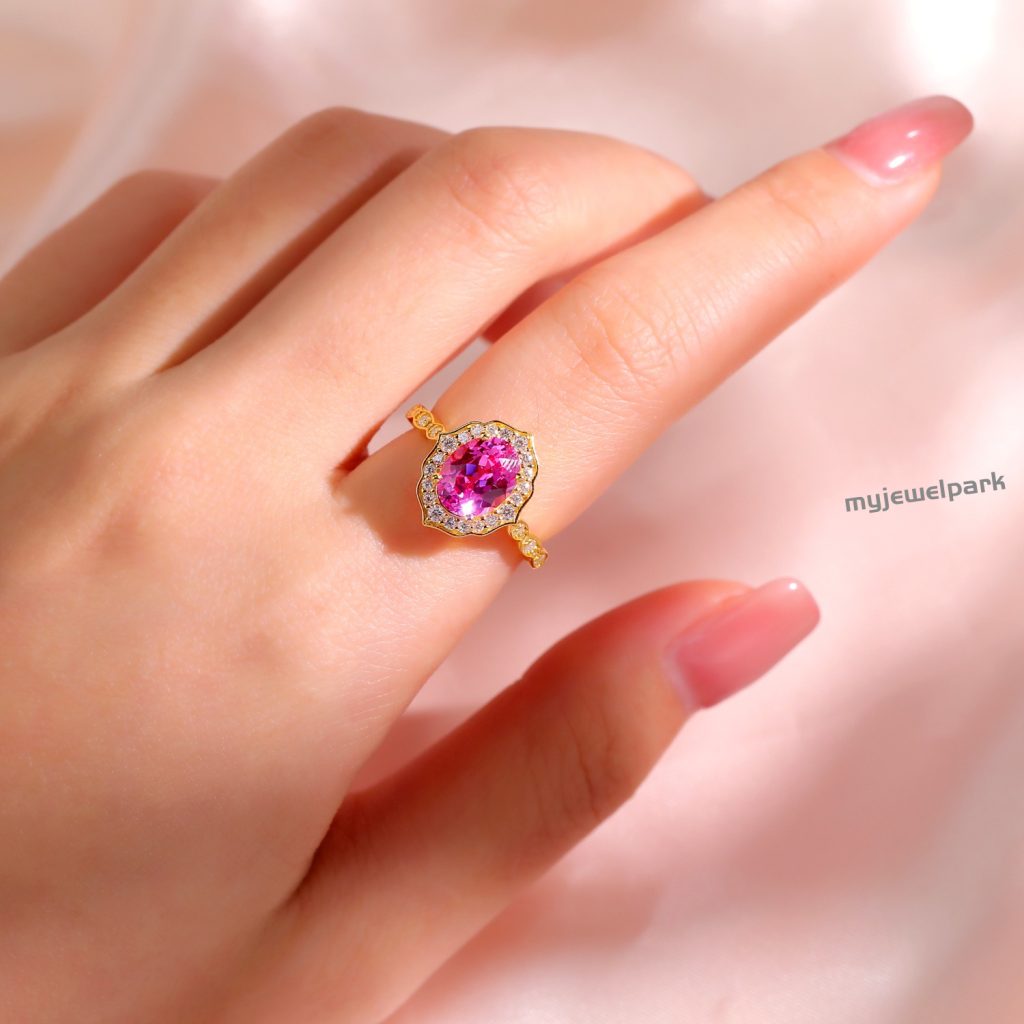
Because of the natural stone’s high price and limited availability, interest in lab-grown padparadscha sapphires has grown. These stones are produced using controlled heat and pressure, allowing technicians to replicate the delicate pink-orange color that makes the gem so rare.
A 2023 consumer survey by the Gemological Science International found that 52% of buyers aged 25 to 40 would consider a lab-grown padparadscha if it came with reliable certification. Many cited price, ethical sourcing, and consistent color quality as key reasons.
Lab-grown padparadschas offer visual beauty and chemical authenticity at a fraction of the cost. They eliminate much of the guesswork and market manipulation tied to the natural trade. For buyers who love the color but want greater transparency, lab-grown options are reshaping what padparadscha means in modern jewelry.