What Is the Difference Between Cornflower and Royal Blue Sapphires?
Sapphires have long been admired for their deep, captivating blue hues, but not all blue sapphires are the same. Two of the most desirable shades are cornflower blue and royal blue, each with distinct characteristics. But what exactly sets them apart? And with the rise of lab-grown sapphires, how do these alternatives compare?
Cornflower vs. Royal Blue Sapphire: Understanding the Key Differences
Color Intensity & Tone
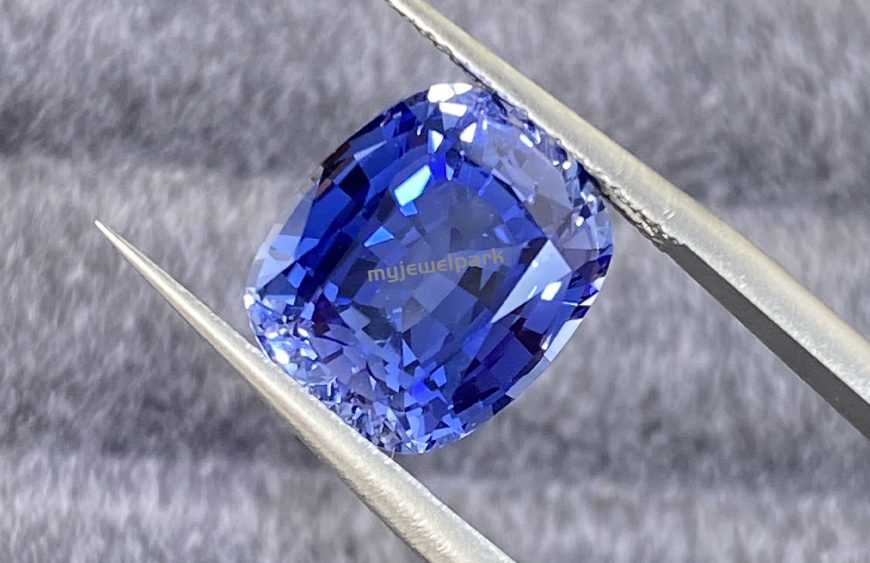
Cornflower Blue Sapphire: Named after the delicate petals of the cornflower, this shade is a soft, velvety blue with slight violet undertones. It has a medium-light to medium-dark tone, giving it an almost ethereal glow.
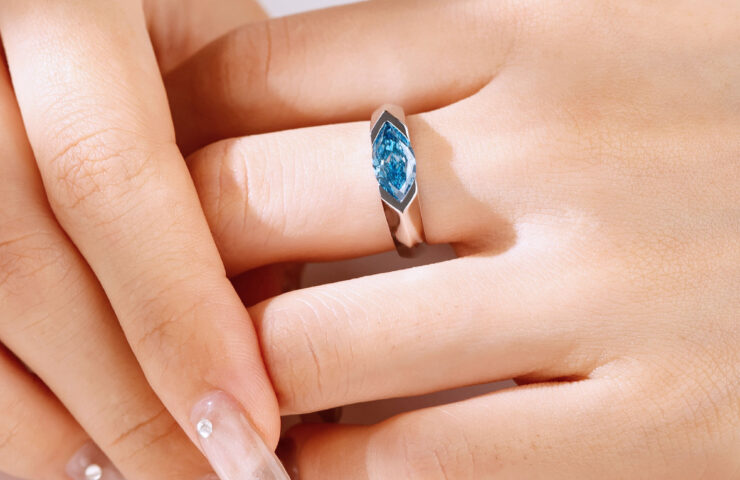
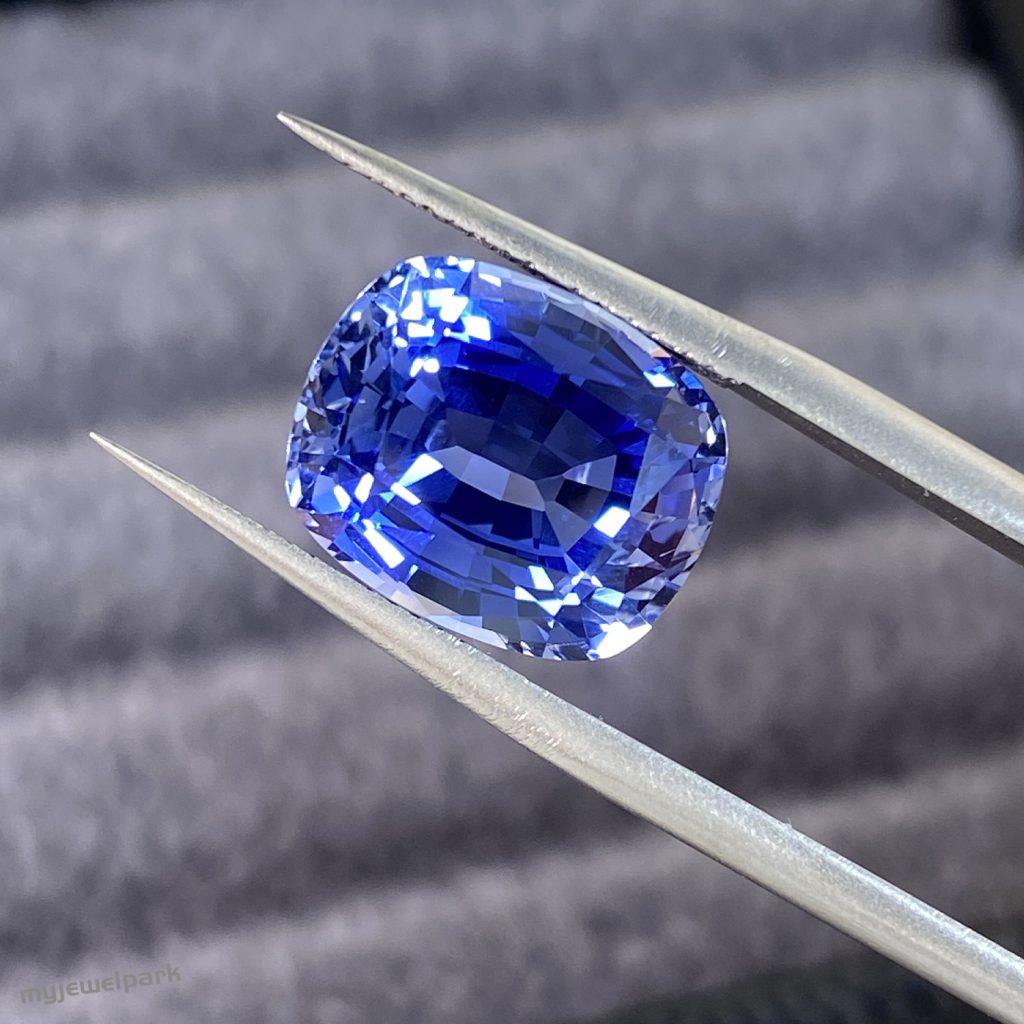
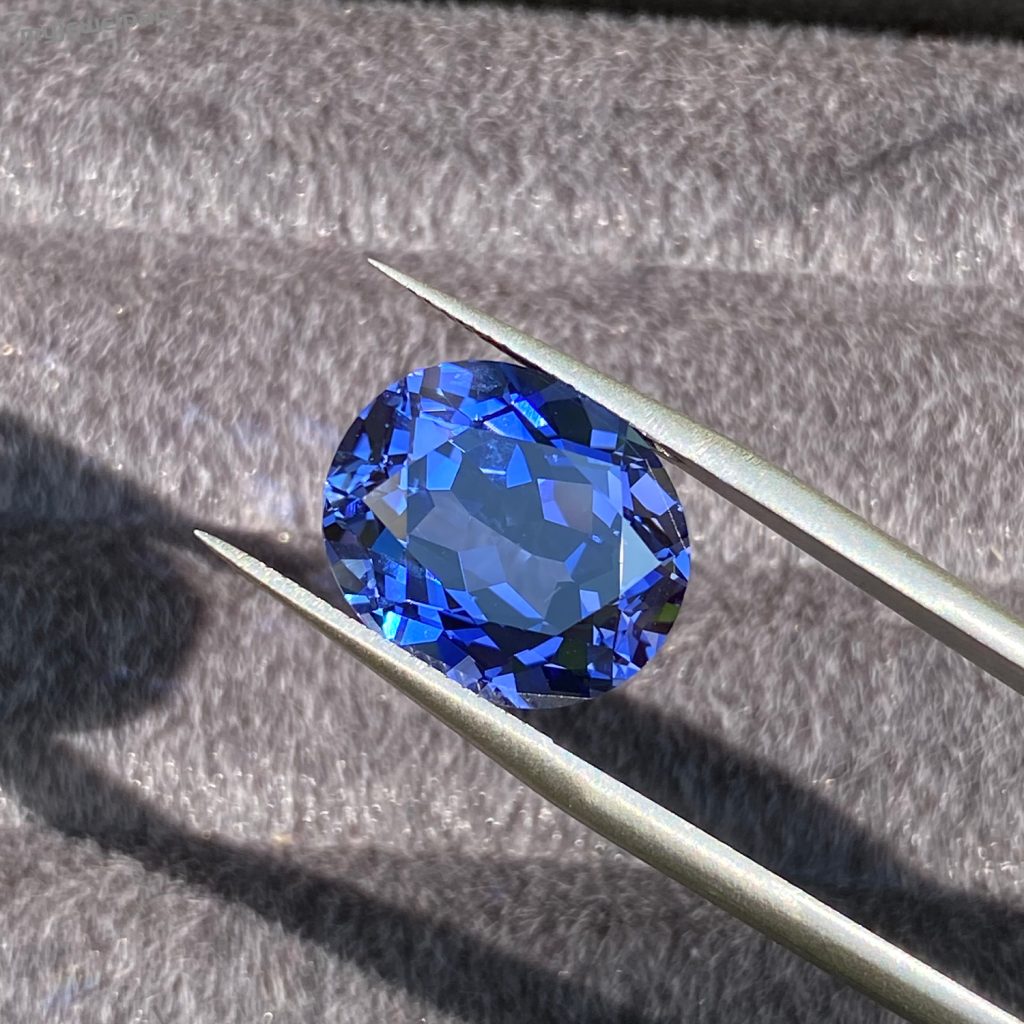
Royal Blue Sapphire: As the name suggests, this sapphire boasts a deep, rich blue with high saturation, often leaning toward a darker, more intense shade. It exudes luxury and boldness, making it one of the most sought-after sapphire colors.
Origin & Rarity
Cornflower sapphires traditionally link to Kashmir and Ceylon (Sri Lanka), two of the most famous sapphire sources. The legendary Kashmir sapphire, in particular, displays a silky, almost sparkling appearance.
Royal Blue Sapphires commonly originate in Burma (Myanmar), Sri Lanka, and Madagascar. Collectors especially prize Burmese sapphires for their high saturation and depth of color.
Market Value & Demand
Cornflower blue sapphires are considered rarer than royal blue sapphires due to their unique, balanced hue. High-quality Kashmir sapphires can fetch record-breaking prices at auctions.
Royal blue sapphires remain extremely valuable, especially when sourced from Burmese or Sri Lankan mines. Their intense blue shade is often favored for engagement rings and statement jewelry.
The Rise of Lab-Grown Sapphires: A Sustainable Alternative
With advancements in gem-growing technology, lab-created sapphires are now nearly indistinguishable from mined ones. But how do they compare when it comes to achieving the perfect cornflower or royal blue hue?
Why More Buyers Are Choosing Lab-Grown Sapphires:
Identical Composition & Brilliance
Lab-grown sapphires share the same crystal structure, hardness (9 on the Mohs scale), and brilliance as natural sapphires.
Advanced techniques like hydrothermal and flame fusion methods allow gemologists to fine-tune color, meaning they can create perfectly balanced cornflower or royal blue sapphires.
Ethical and Conflict-Free Sourcing
Unlike mined sapphires, which often come with environmental and ethical concerns, lab-created sapphires are sustainable and conflict-free.
They are an excellent choice for those who want a responsible and eco-conscious luxury gem.
Affordability Without Compromise
A high-quality natural Kashmir or Burmese sapphire can cost tens to hundreds of thousands of dollars per carat.
Lab-grown royal or cornflower blue sapphires offer the same beauty at 70-90% less, making luxury more accessible.
Changing Consumer Perceptions & Market Trends
According to a 2023 study by the International Gem Society (IGS), over 65% of younger consumers are open to purchasing lab-grown gemstones, valuing their sustainability, affordability, and ethical sourcing.
Luxury brands are also embracing this shift. Many high-end jewelers now offer lab-grown sapphires in their collections, proving that the future of fine jewelry is evolving.
Promise for the Future
Both cornflower blue and royal blue sapphires offer breathtaking beauty, but their tone, origin, and rarity set them apart. While natural Kashmir and Burmese sapphires remain some of the most prized in the world, lab-grown sapphires now provide an ethical, stunning alternative without the high price tag.
Would you consider a lab-created sapphire for its beauty, sustainability, and affordability, or do you prefer the rarity of a natural gemstone? Let us know your thoughts in the comments!