What Makes a Sapphire a Padparadscha?
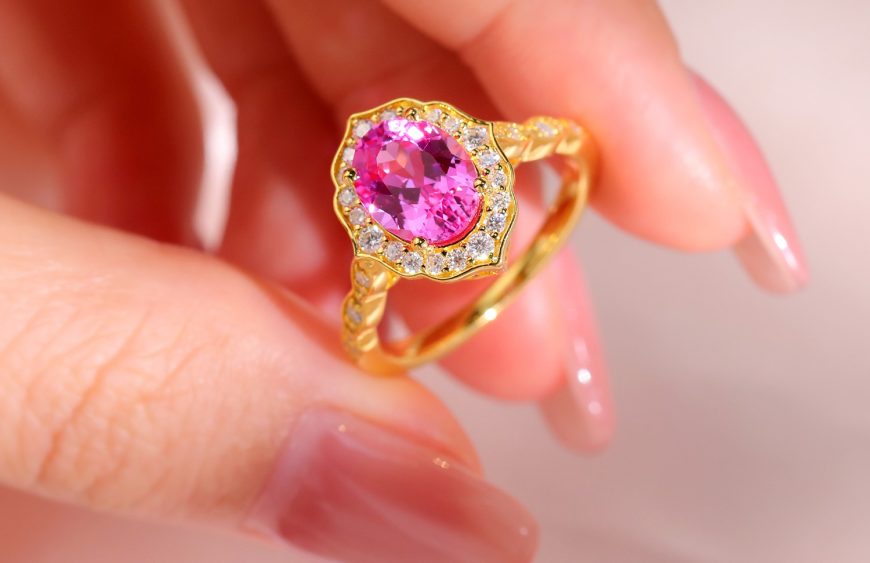
Among all sapphires, the padparadscha sapphire stands out as one of the rarest and most sought-after varieties. Known for its mesmerizing blend of pink and orange hues, this unique gemstone is cherished for both its beauty and rarity. But what exactly defines a padparadscha sapphire? And with advancements in lab-grown sapphires, how does this exotic gem compare to its synthetic alternatives?
The Unique Color of Padparadscha Sapphires
A Delicate Balance of Pink and Orange
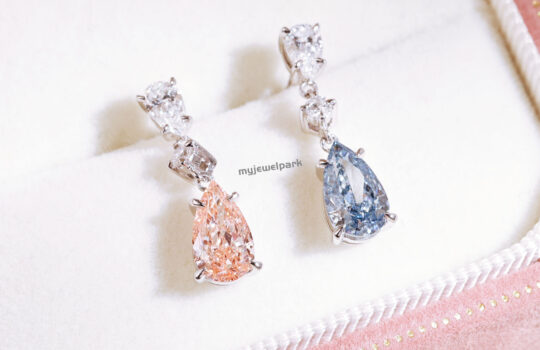
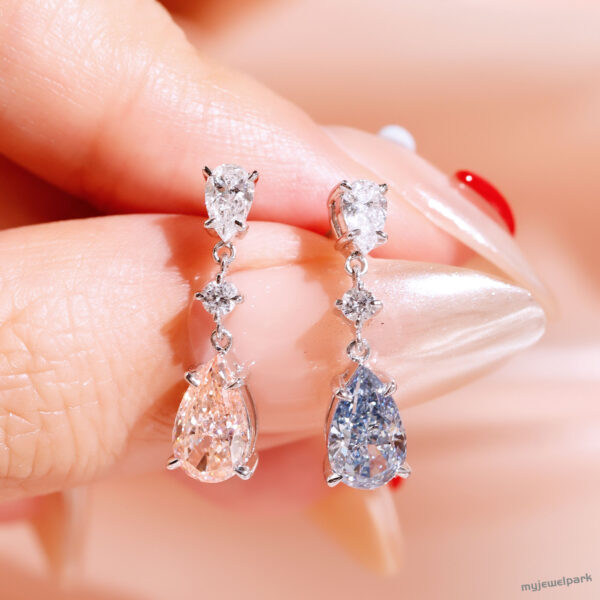
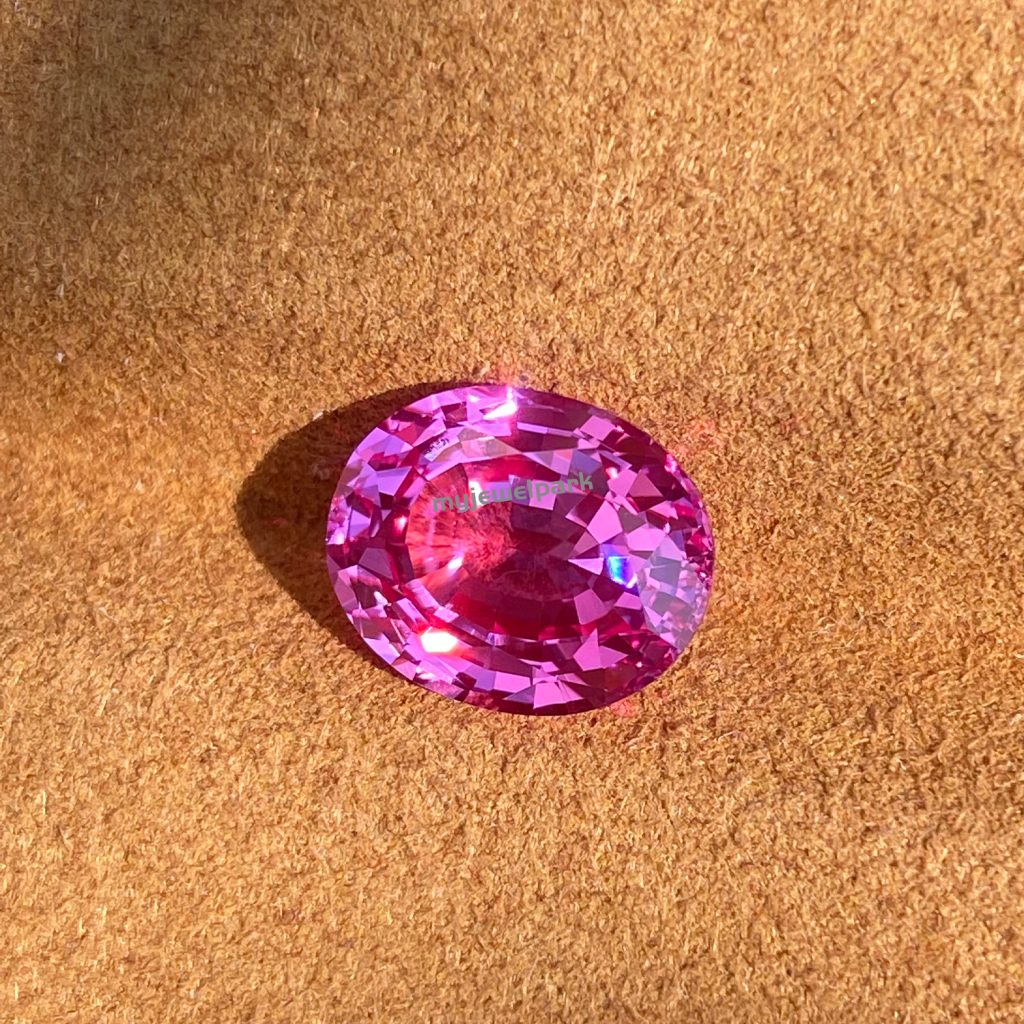
Unlike blue sapphires, which are defined by their deep, rich hues, padparadscha sapphires feature a harmonious mix of warm pink and fiery orange tones.
The most desirable padparadscha sapphires have a perfectly balanced saturation—not too light, not too dark.
The Name’s Exotic Origin
The term “padparadscha” comes from the Sinhala language of Sri Lanka, meaning “lotus blossom”, a reference to the delicate pink-orange shades of the country’s native lotus flowers.
The Role of Trace Elements
Padparadscha sapphires get their color from a unique blend of iron and chromium, which creates their signature peachy-pink glow.
Too much iron can push the color toward orange, while excess chromium results in a deeper pink, making balance key to its value.
Where Are Padparadscha Sapphires Found?
Sri Lanka is the most famous source, producing some of the world’s finest padparadscha sapphires.
Madagascar has emerged as another major producer, though some gems from this region may have slight color zoning.
Tanzania and Vietnam also yield padparadscha sapphires, but high-quality stones remain extremely rare.
How Lab-Grown Padparadscha Sapphires Compare
With increasing demand for sustainable, ethically sourced gemstones, lab-created padparadscha sapphires are growing in popularity. But can they match the beauty and uniqueness of a natural stone?
Why Many Are Choosing Lab-Grown Padparadscha Sapphires:
Same Chemical and Physical Properties
Lab-grown sapphires are chemically identical to natural ones, created using advanced methods like hydrothermal and flame fusion growth.
This ensures the same rich color, brilliance, and hardness (9 on the Mohs scale) as mined padparadscha sapphires.
Perfectly Balanced Colors
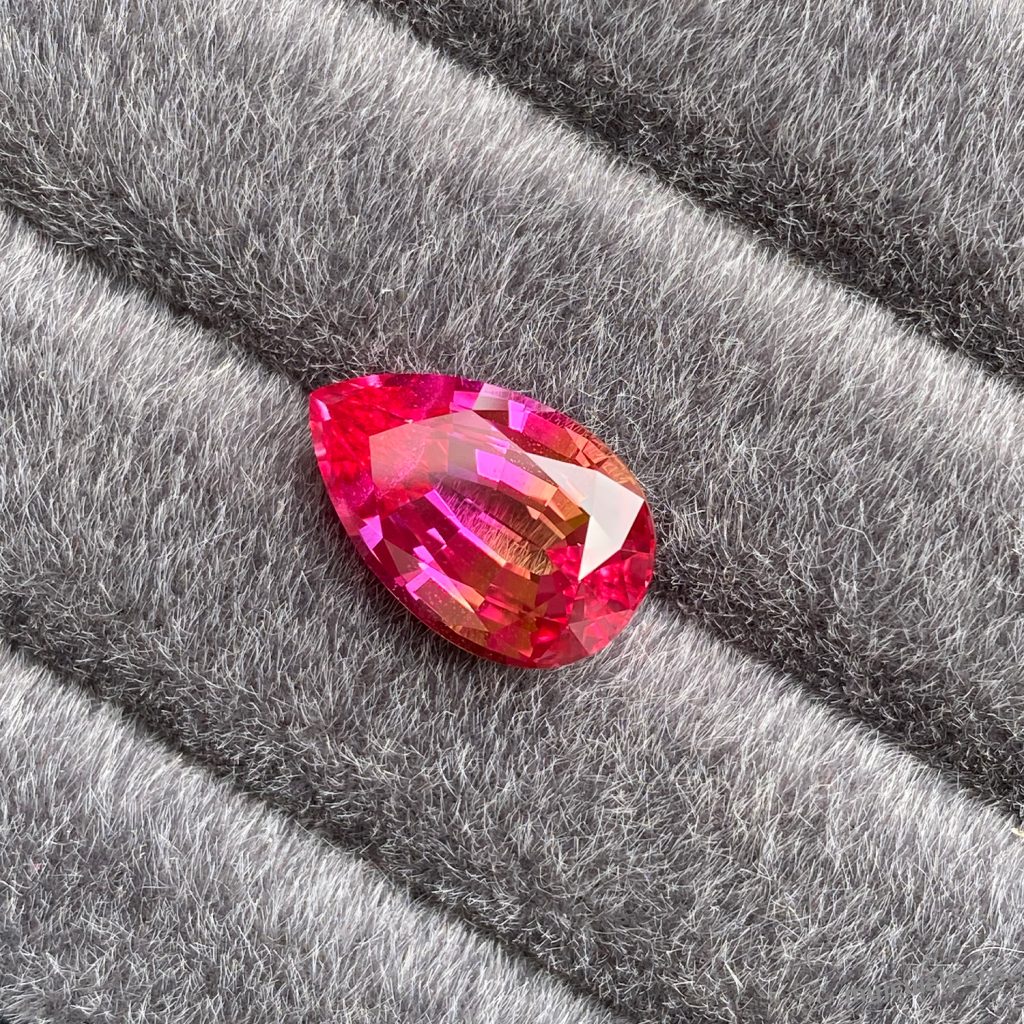
Natural padparadscha sapphires can have inconsistent color zoning, where pink and orange don’t blend evenly.
Lab-created padparadscha sapphires can be precisely engineered to display the perfect balance of pink and orange, making them a flawless alternative.
Affordability and Accessibility
A high-quality natural padparadscha sapphire can cost $10,000 to $50,000 per carat, due to its rarity.
Lab-grown padparadscha sapphires offer the same stunning color for 70-90% less, making them an attractive option for fine jewelry lovers.
Changing Consumer Perceptions
According to a 2023 study by the International Gem Society (IGS), over 65% of millennials and Gen Z consumers are open to purchasing lab-grown gemstones, citing sustainability, affordability, and ethical sourcing.
Many luxury jewelry brands are now incorporating lab-created sapphires into their collections, proving that synthetic gemstones are not just a substitute but a modern luxury in their own right.
Hope for the Future
A padparadscha sapphire is defined by its rare pink-orange color, making it one of the most desirable gemstones in the world. While natural padparadscha sapphires remain valuable for their rarity, lab-grown versions offer an ethical, beautiful, and more affordable alternative.
Would you consider a lab-created padparadscha sapphire for its beauty and sustainability, or do you prefer the exclusivity of a natural gem? Share your thoughts in the comments!