How to Tell Spinel from Ruby
Spinel and ruby are both red gemstones with long histories, and for centuries, they were often confused. Even today, many people struggle to tell them apart without expert help. The confusion is understandable—both stones can appear in vivid red tones, have high durability, and show similar brilliance when well-cut. But despite their outward similarities, spinel and ruby are chemically and structurally different, and that difference affects value, rarity, and use.
Visual Clues and Structural Differences
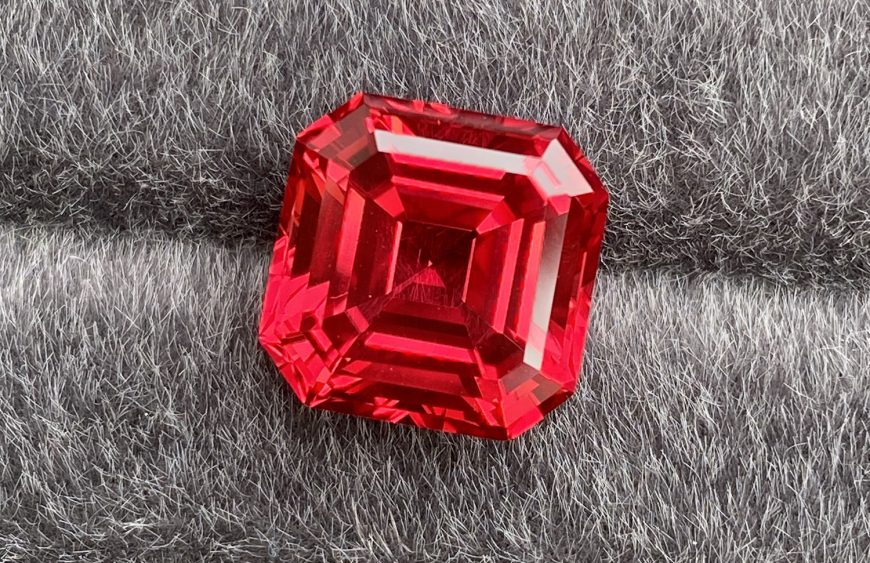
Rubies are a variety of corundum and get their red color from traces of chromium. Spinel, by contrast, is a separate mineral composed of magnesium aluminum oxide. The key visual difference often lies in tone. Rubies usually have a deeper red with slight purplish or brownish undertones, while spinel can appear brighter or more fluorescent under natural light. Spinel is also singly refractive, whereas ruby is doubly refractive, a difference that affects how light moves through the stone.
Hardness is another factor
Ruby ranks 9 on the Mohs scale, just below diamond. Spinel measures around 8. While both are durable, rubies are slightly more resistant to scratching. Still, visual and tactile cues alone rarely provide enough certainty. Most identifications require gemological tools, such as a refractometer or spectroscope, to measure optical properties and detect inclusions unique to each material.
Misinformation and Consumer Frustration
In online forums like Reddit and The Gemology Project, mislabeling between ruby and spinel is a recurring theme. One user described buying what they believed was a Burmese ruby, only to have it later identified as spinel during appraisal. The seller claimed it was a labeling mistake, but the buyer questioned whether it was a deliberate attempt to raise the stone’s value. Other users shared similar stories, expressing concern that spinel is too often presented as a cheaper substitute for ruby without proper disclosure.
YouTube channels that focus on gem identification frequently highlight this confusion. In side-by-side videos, gemologists use magnification and light tests to show subtle differences between ruby and spinel. Comments often reflect surprise at how difficult the distinction can be, even under professional lighting. Some viewers argue that spinel should be appreciated for its own properties, rather than treated as a ruby alternative. Others remain skeptical about buying red gemstones without certification.
How Lab-Grown Options Improve Transparency
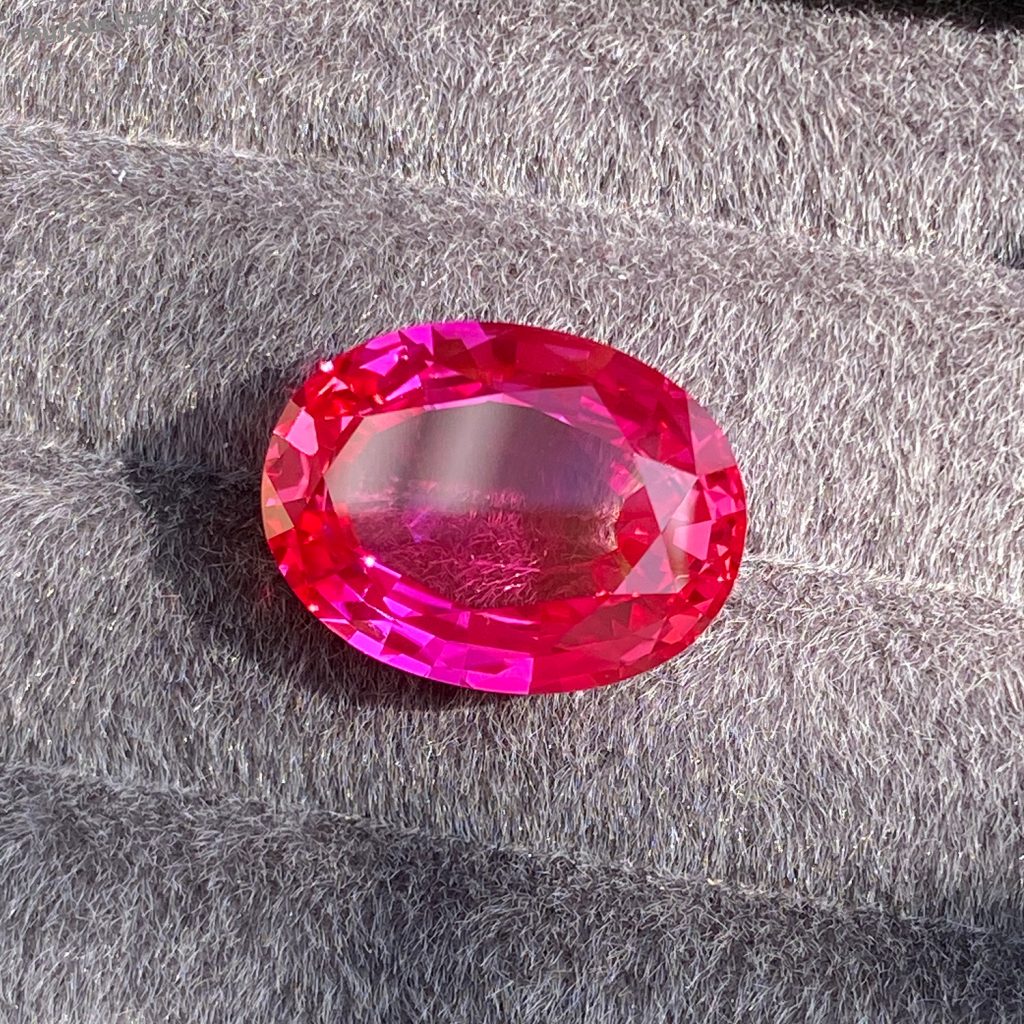
Laboratory-grown rubies and spinels reduce the confusion around origin and authenticity. Both stones can now be grown under controlled conditions that replicate their natural formation. Lab-grown rubies have the same physical and chemical characteristics as natural rubies but are more affordable and consistently graded. The same is true for lab-grown spinel, which offers high clarity and strong color without the unpredictability of natural mining.
A 2023 survey by the International Gemological Institute showed that 53% of gemstone buyers under 40 trust lab-grown stones more than unverified natural ones. Many cited previous experiences with misidentified gems as a reason. With lab-grown options, consumers know exactly what they’re getting—whether it’s ruby or spinel.
Lab-grown gems also come with certification, making it easier to verify the type, origin, and value of the stone. For anyone looking to avoid costly mistakes, they offer a reliable and transparent path forward.