Why Some Lab-Grown Emeralds Glow in the Dark (And Natural Ones Don’t)
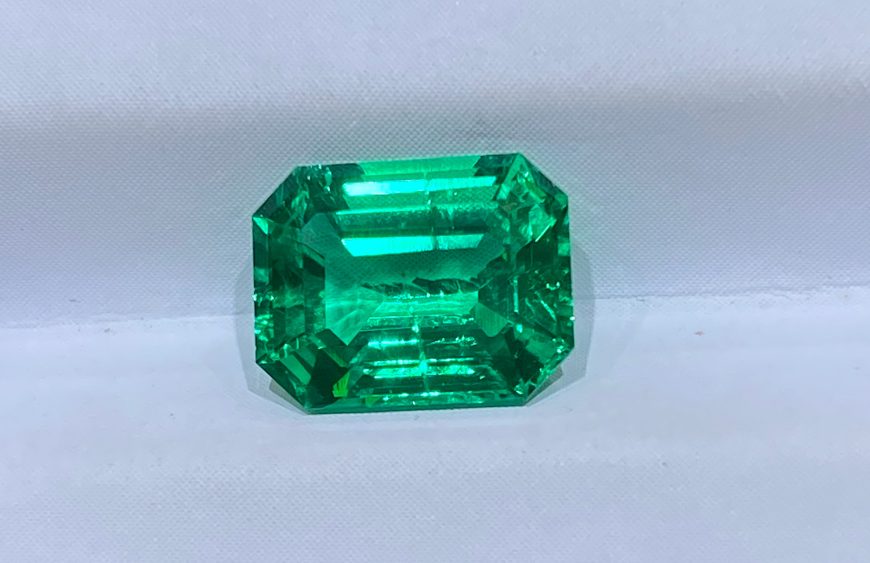
If you’ve ever seen an emerald unexpectedly glow under UV light or even in the dark, chances are you were looking at a lab-grown emerald. While natural emeralds have captivated people for centuries with their deep green hues, some lab-created emeralds exhibit an unusual fluorescence that makes them glow. But why does this happen? And does it affect their value?
1. The Science Behind the Glow
The reason some lab-grown emeralds glow under UV light has to do with the elements present in their crystal structure. Most natural emeralds are formed over millions of years in the Earth’s crust, where trace elements like chromium and vanadium give them their signature green color. However, lab-grown emeralds, depending on the method used to create them, sometimes contain small amounts of fluorescent activators, such as iron, nickel, or copper, which cause them to glow under ultraviolet (UV) light or even in low-light conditions.
Flux-grown emeralds, one of the main types of lab-created emeralds, can contain trace amounts of metals from the flux solution, leading to a soft green or red fluorescence under UV light.
Hydrothermal emeralds, another type, may also display a glow due to residual elements left from the growth process.
As Quora user @GemScienceEnthusiast explains: “I was amazed when my lab-grown emerald glowed under UV light! My jeweler explained that it was due to certain trace metals in the crystal structure, something that rarely happens with natural emeralds.”
2. Why Don’t Natural Emeralds Glow?
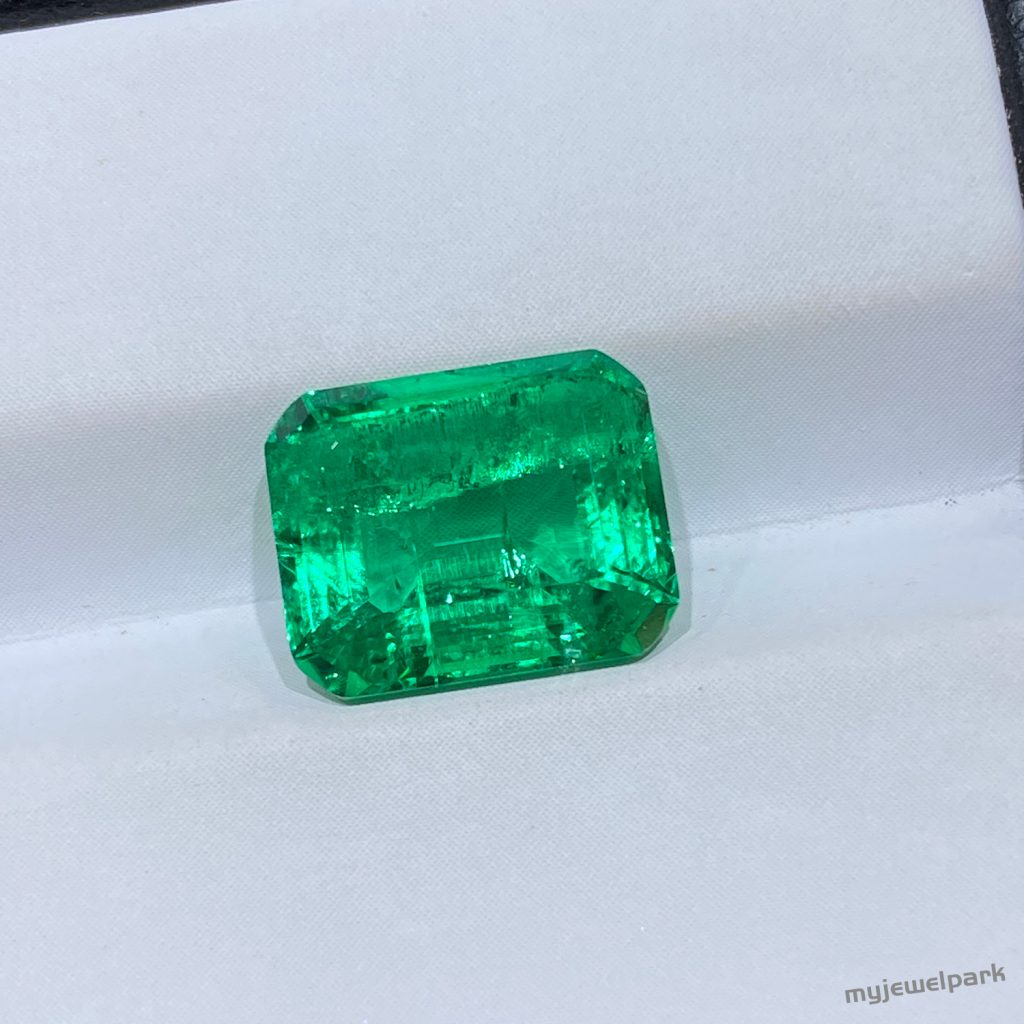
While natural emeralds can sometimes show weak fluorescence, they generally do not glow like their lab-grown counterparts. This is because their natural formation process includes a variety of impurities and inclusions that suppress fluorescence. Additionally, iron content in many natural emeralds can actually block fluorescence, making them appear darker under UV light.
As Reddit user u/RealGemHunter puts it: “I tested my Colombian emerald under UV light and got nothing. But my friend’s lab-grown one lit up like a glow stick!” This difference makes UV light a useful tool for distinguishing between natural and synthetic emeralds.
3. Lab-Grown Emeralds: More Than Just a Glowing Trend
Beyond their unusual fluorescence, modern lab-grown emeralds are becoming nearly indistinguishable from natural ones. Thanks to advances in hydrothermal and flux growth methods, today’s cultured emeralds now feature:
1、✅ Natural-Looking Inclusions – Unlike older synthetic emeralds with a glassy appearance, today’s lab-grown emeralds contain natural-style inclusions and a silky “milky body”, mimicking high-quality natural emeralds.
2、✅ Affordability – Lab-grown emeralds cost 30-60% less than their mined counterparts, making luxury more accessible.
3、✅ Sustainability – No mining is required, making lab-grown emeralds an eco-friendly choice for ethical buyers.
Many jewelers now offer lab-grown emeralds as a premium yet affordable alternative to natural stones, ensuring that customers can enjoy the beauty of emeralds without the high price or ethical concerns.
Should You Be Concerned About the Glow?
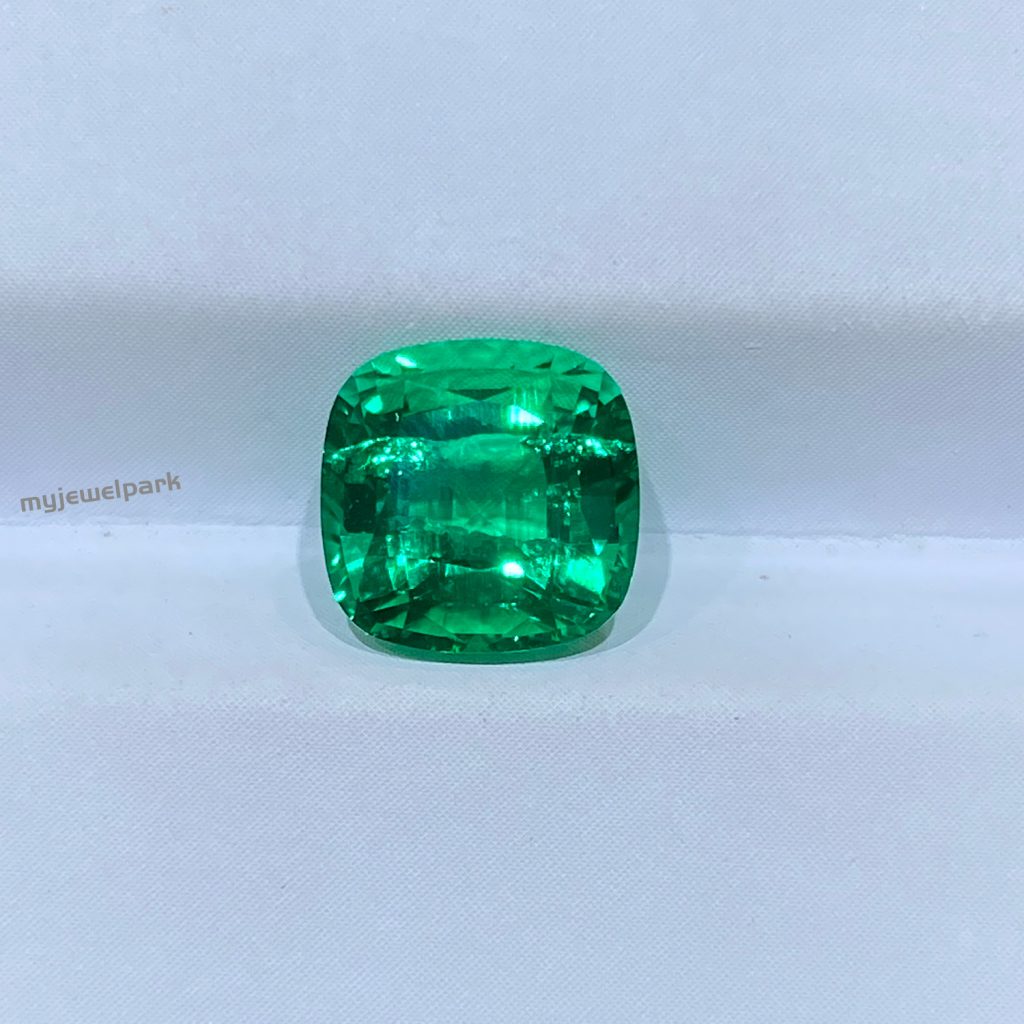
If you notice your lab-grown emerald glowing under UV light, don’t worry—it’s simply a result of the elements used in the growth process. It doesn’t affect the durability or overall quality of the stone. Instead, it can serve as a helpful indicator that your emerald is lab-created.
With modern technology allowing lab-grown emeralds to closely mimic natural stones, the jewelry industry is embracing cultured gems as a sustainable and beautiful alternative.
Have you ever seen emeralds glow in the dark? Would you choose a lab-grown emerald over a natural one? Share your thoughts in the comments!