The Emerald Deception: How Some Jewelers Mislead Buyers
For centuries, emeralds have been a symbol of wealth, power, and timeless beauty. But behind the glamour, not all emeralds are what they seem. Some jewelers use misleading marketing tactics, blurring the lines between natural, treated, and lab-grown emeralds, leaving buyers confused—or worse, overpaying for a stone that isn’t what they expected.
So, how do you know if you’re getting the real deal? And could lab-grown emeralds actually be the smarter choice? Let’s uncover the truth behind the emerald deception.
1. The Truth About “Natural” Emeralds
Many buyers assume that a natural emerald means a gemstone that was simply mined and polished—but that’s rarely the case. Almost 98% of natural emeralds are treated, usually with oils or resins, to enhance their clarity. This process is not always disclosed, leading customers to believe they’re buying a flawless, untreated gem when, in reality, they’re getting a stone that has been artificially improved.
Quora user @GemHunter91 shares: “I bought an emerald engagement ring, only to find out later it had been filled with resin. The jeweler never mentioned it. I felt deceived!”
While treatments don’t necessarily make an emerald worthless, they do affect its durability and value—something many buyers don’t realize. Heavily treated emeralds are worth far less than untreated ones, yet some jewelers sell them at premium prices without full disclosure.
2. The Overpricing Game: What Jewelers Don’t Tell You
One of the biggest issues in the emerald market is inflated pricing. The prestige of emeralds allows jewelers to mark up even lower-quality stones significantly. For example:
A natural, high-quality emerald can sell for $5,000 to $50,000 per carat depending on its clarity and origin.
However, a heavily treated emerald may only be worth a fraction of that price—yet some jewelers sell them as if they were premium gems.
As Reddit user explains: “I worked in a high-end jewelry store, and I saw first-hand how some places sell treated emeralds as ‘top quality’ without proper disclosure. Many customers never question it.”
This is why certification matters. A genuine emerald should come with a report from a trusted gemological institute (GIA, IGI, or AGL), stating whether the stone has been treated and to what extent.
3. The Rise of Lab-Grown Emeralds: A Smarter Alternative?
For buyers who want a high-quality emerald without the risks of deception, lab-grown emeralds are becoming an increasingly popular choice. Thanks to advancements in hydrothermal and flux growth technology, today’s cultured emeralds are virtually identical to natural ones—without the excessive price tag or ethical concerns of mining.
Why More Buyers Are Choosing Lab-Grown Emeralds?
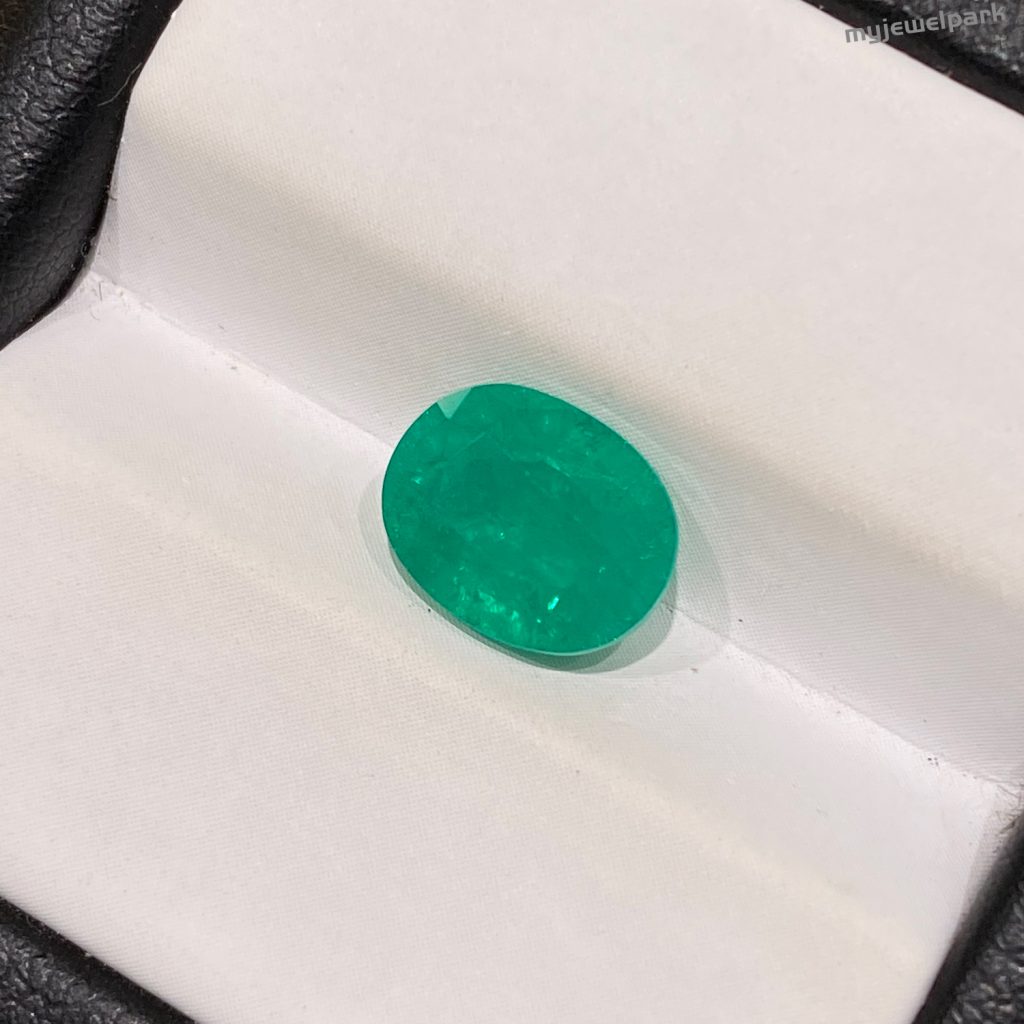
1、✅ More Affordable – Lab-grown emeralds cost 30-70% less than natural ones.
2、✅ Fewer Inclusions & Fractures – Unlike heavily treated natural emeralds, lab-grown emeralds have fewer flaws while still retaining the classic “milky” inclusions found in genuine emeralds.
3、✅ Ethical & Sustainable – No destructive mining practices, making them a guilt-free luxury.
4、✅ Transparency – No hidden treatments—what you see is what you get.
Unlike earlier synthetic emeralds, which often had a fake glassy look, modern cultured emeralds now feature natural-looking inclusions and a soft, velvety glow, making them nearly impossible to distinguish from their mined counterparts.
In today’s market, knowledge is power. Whether you choose a natural emerald, a treated stone, or a lab-grown alternative, knowing what you’re paying for ensures you make a decision you won’t regret.