Why Your Certificate Doesn’t Mention the ‘Color Layer’ in Lab-Grown Sapphires
If you’ve recently purchased a lab-grown sapphire, you may have noticed that your gem looks slightly different from what you expected, especially under certain lighting conditions. Some buyers even report seeing a distinct color layer when viewing their sapphire from the side. Yet, Most gemstone certificate don’t mention the detail “Color Layers” in lab-grown sapphires. Why is that? And does it affect the quality or value of your sapphires?
1. What Is the ‘Color Layer’ in Lab-Grown Sapphires?
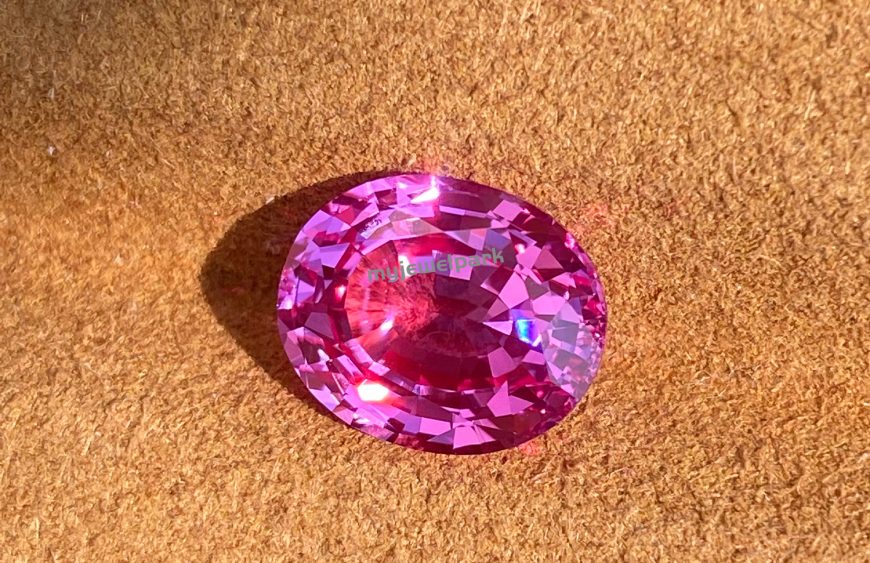
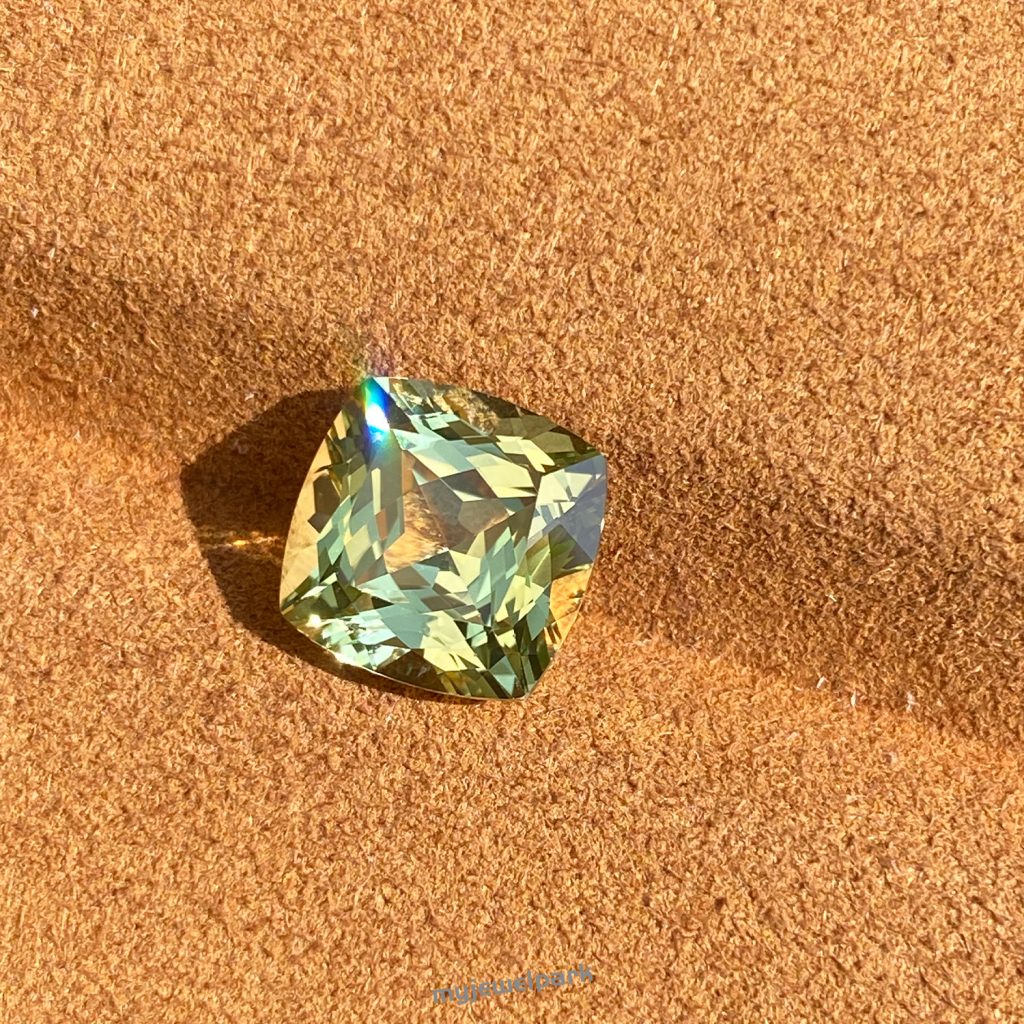
The ‘color layer’ refers to a thin, concentrated band of color within the sapphire, which can sometimes be seen when the gemstone is viewed from the side or at an angle. This effect occurs due to the way some lab-created sapphires are grown:
The Flame Fusion (Verneuil) Process: One of the most common methods for producing lab-grown sapphires involves layering aluminum oxide powder under high heat to crystallize the gemstone. During this process, the coloring agents (like iron and titanium for blue sapphires) can settle unevenly, leading to a visible color concentration in certain areas.
Hydrothermal and Flux-Grown Sapphires: While these methods create more even color distribution, subtle layering can still occur, especially if different chemical additives are used at various stages of growth.
Tip: A visible color layer doesn’t mean your sapphire is fake or low quality—it’s simply a characteristic of how some synthetic sapphires are formed.
2. Why Don’t Certificates Mention This?
If the color layer is a natural part of the lab-growth process, why isn’t it included in gemstone certification reports? Here’s why:
Certificates Focus on Major Gemological Properties: Reports from institutions like the Gemological Institute of America (GIA) or International Gemological Institute (IGI) primarily assess factors like clarity, color, and overall authenticity. Minor structural details like subtle color banding are often considered unimportant.
Not All Lab-Grown Sapphires Have a Visible Color Layer: Some lab sapphires display a completely even color, so reporting this as a universal feature would be misleading.
Consumer Perception: Many buyers expect a uniform appearance in their gemstones. Mentioning the color layer on a certificate could lead to confusion or unnecessary concern.
3. Does the Color Layer Affect Quality or Value?
In most cases, the color layer does not affect the durability or beauty of a lab-grown sapphire. However, it can become more noticeable depending on the cut and setting:
Well-Cut Sapphires: A properly faceted sapphire will minimize the visibility of any color layers, ensuring an even, rich appearance from the top.
Cabochon-Cut Sapphires: In some cases, domed cabochon cuts can highlight color zoning, making the layer more noticeable.
Fun Fact: Some natural sapphires also have color zoning due to how they form in the Earth. The presence of a color layer doesn’t mean your sapphire is less valuable—it simply adds to its unique character.
4. The Growing Popularity of Lab-Grown Sapphires
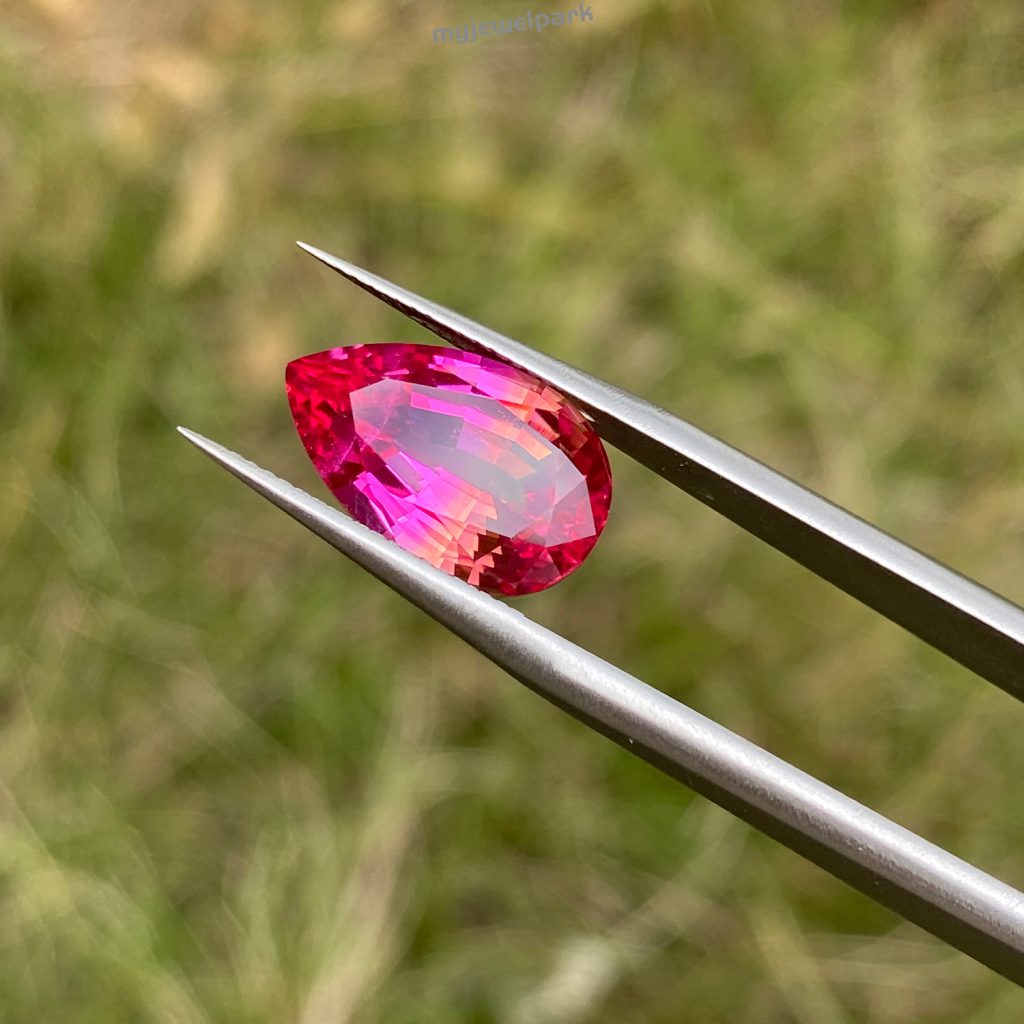
With more people seeking ethical, sustainable, and affordable gemstones, lab-created sapphires have become a preferred choice. Research shows that over 70% of millennial and Gen Z buyers are open to lab-grown gemstones because of their identical chemical properties to natural gems and reduced environmental impact.
Should You Worry About the Color Layer?
If your lab sapphire has a visible color layer, there’s no need to be concerned—it’s simply a result of the growth process and does not impact the gem’s authenticity or quality. If anything, it’s a fascinating insight into the science behind gemstone creation!
Have you ever noticed a color layer in a sapphire? Does it change your opinion on lab-grown gemstones? Join the conversation in the comments below!