Is Your ‘Natural’ Sapphire Actually Lab-Grown? How to Spot the Difference
Sapphires have long been prized for their deep blue hues, durability, and timeless elegance. But with lab-grown sapphires becoming more common, many buyers unknowingly end up with a synthetic sapphire instead of a natural one. While lab-grown sapphires are just as real in terms of chemical composition and physical properties, some jewelers may fail to disclose the origin of the stone, leading to confusion and even overpayment.
So, how can you tell if your “natural” sapphire is actually lab-grown? And should it even matter? Let’s explore the signs to look for and why lab-grown sapphires are becoming a top choice for jewelry buyers.
1. Natural vs. Lab-Grown Sapphires: What’s the Difference?
At first glance, a lab-grown sapphire looks identical to a natural one. That’s because both have the same chemical composition, hardness (9 on the Mohs scale), and stunning brilliance. The key difference lies in how they are formed:
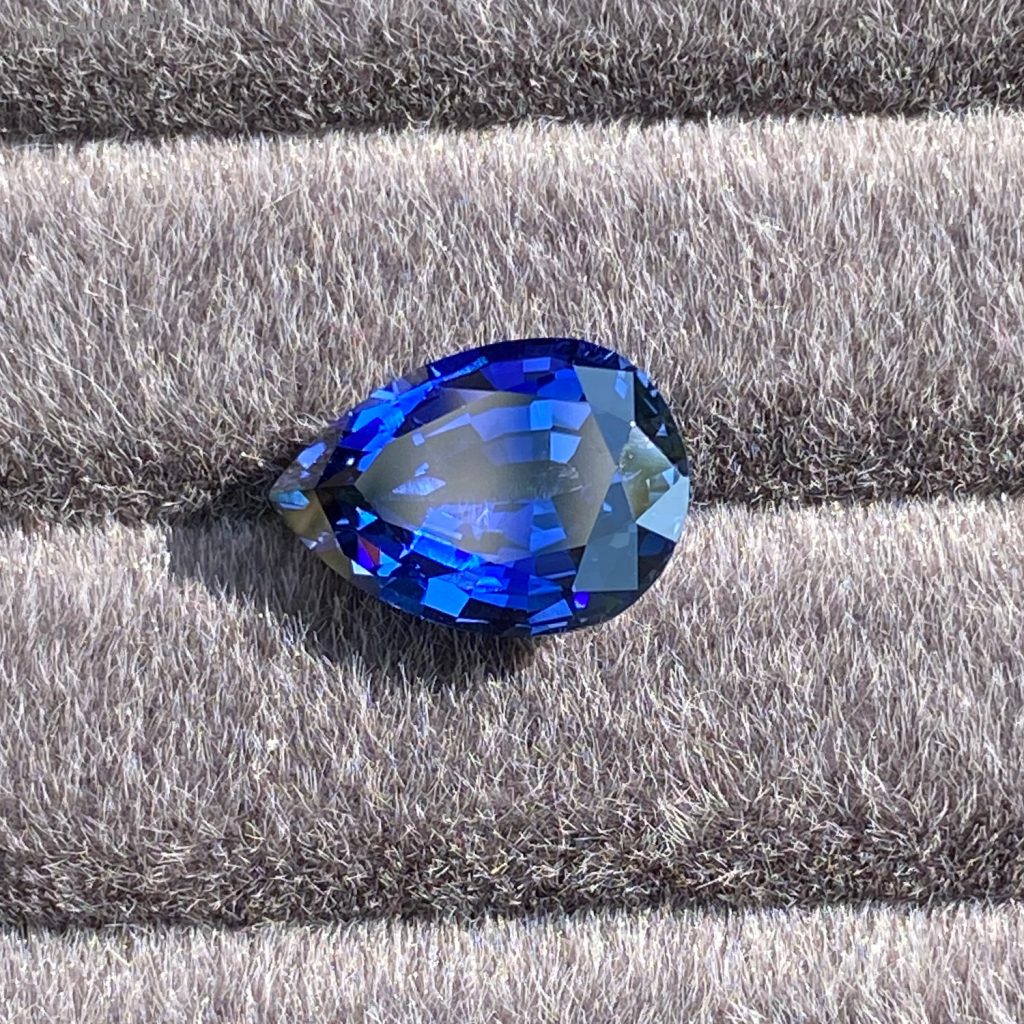
Natural sapphires are mined from the Earth and often contain tiny inclusions, color zoning, or natural imperfections that make each stone unique.
Lab-grown sapphires are created in controlled environments using either the flame fusion, hydrothermal, or Czochralski process. These processes replicate the conditions in which natural sapphires form, but at a much faster rate—weeks instead of millions of years.
While both are real sapphires, the origin impacts their price, rarity, and desirability. Natural sapphires, especially those from Kashmir, Burma, or Sri Lanka, can fetch extremely high prices, while lab-grown sapphires cost 30-80% less for the same visual appeal.
2. How to Tell If Your Sapphire is Lab-Grown
If you want to know whether your sapphire is natural or synthetic, here are a few key things to check:
A. Look for Inclusions Under Magnification
Natural sapphires often contain tiny feather-like inclusions, color zoning, or silk-like rutile needles (called “silk” inclusions).
Lab-grown sapphires, especially those made by flame fusion, tend to have curved growth lines (instead of straight ones) and fewer inclusions.
Reddit user u/GemHobbyist shared: “I bought a sapphire thinking it was natural, but under a jeweler’s loupe, I saw curved lines—a dead giveaway it was flame-fusion lab-grown!”
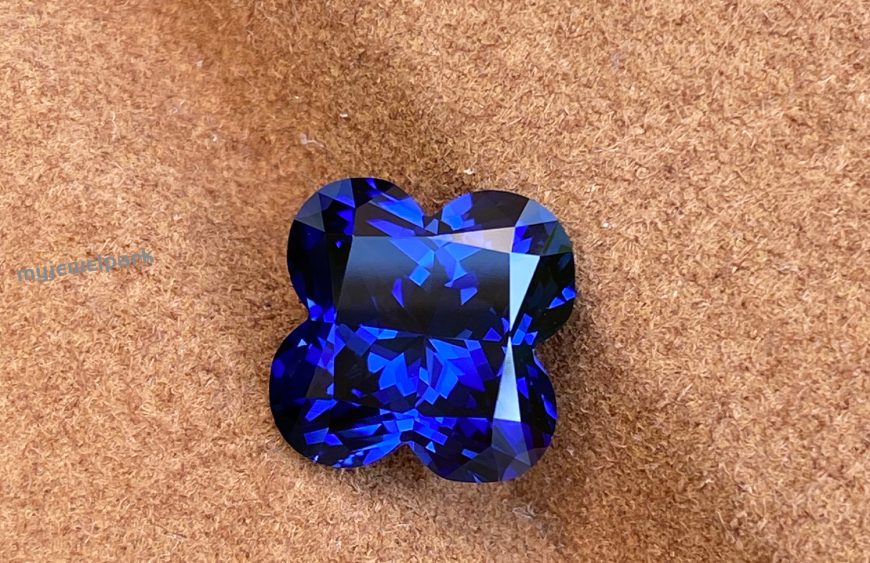
B. Check for Color Zoning
Natural sapphires often have color variations, meaning their blue tones may be uneven or slightly faded in some areas.
Lab-grown sapphires usually have a more uniform color, as they are grown under controlled conditions.
C. Fluorescence Under UV Light
Some natural sapphires (especially from Sri Lanka) may show weak fluorescence, while many lab-grown sapphires glow intensely under UV light due to the presence of trace elements. This test isn’t foolproof, but it can provide clues.
D. Certification and Testing
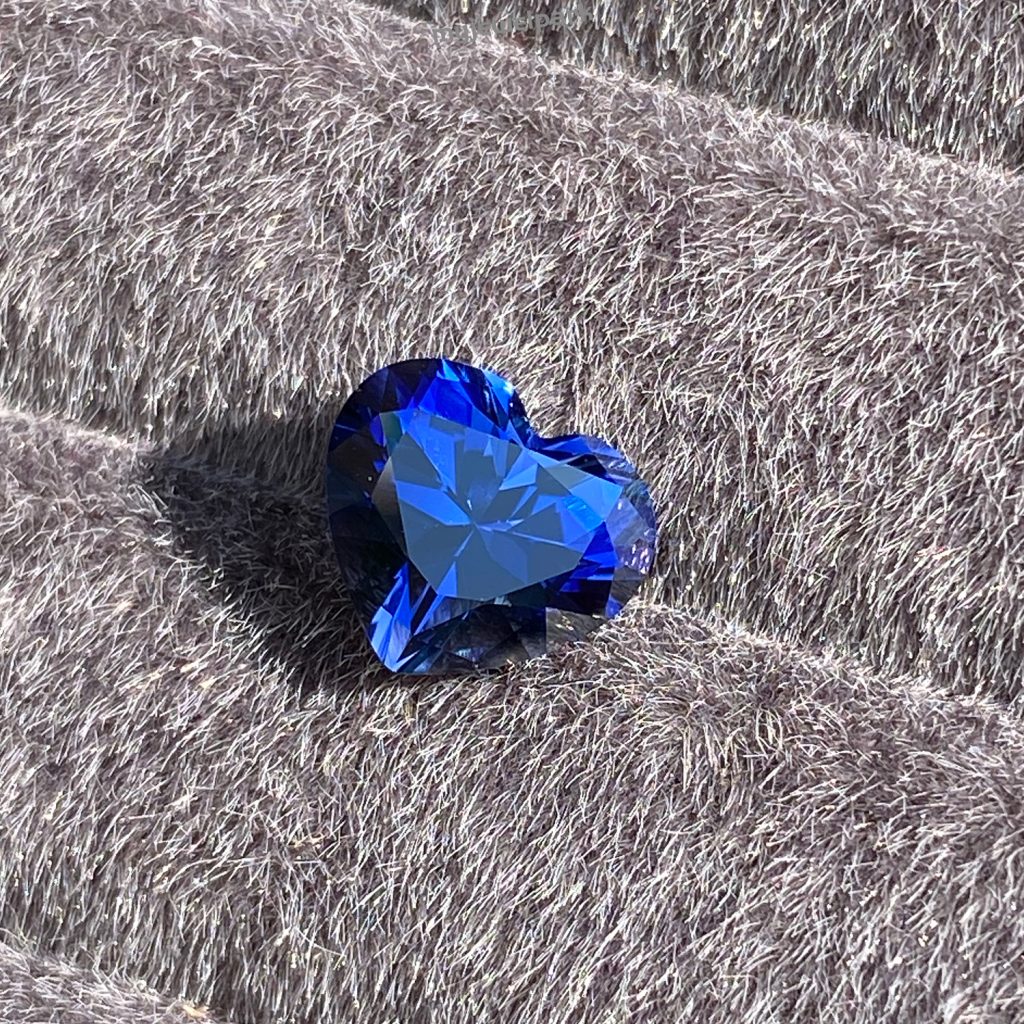
If you’re investing in a sapphire, always ask for certification from a reputable gemological lab such as the GIA (Gemological Institute of America) or IGI (International Gemological Institute). These reports will confirm whether the stone is natural, treated, or lab-grown.
Quora user @GemExpert99 warns: “If a jeweler refuses to provide certification, be suspicious. Many high-end synthetic sapphires are sold as ‘natural’ to unsuspecting buyers.”
3. Should You Care if Your Sapphire is Lab-Grown?
Some buyers worry that owning a lab-grown gemstone diminishes the value of their jewelry, but in reality, lab-grown sapphires offer incredible benefits:
1、✅ More Affordable – Lab-grown sapphires are up to 80% cheaper than their natural counterparts, making them accessible for buyers who want a high-quality stone without the hefty price tag.
2、✅ Ethical & Sustainable – Unlike mined sapphires, lab-grown sapphires don’t require environmentally destructive mining or unethical labor practices, making them a guilt-free luxury.
3、✅ Visually Flawless – Thanks to advanced technology, modern lab-grown sapphires mimic the natural growth process, creating stones with natural-looking inclusions instead of the obviously synthetic appearance of older versions.
Much like lab-grown emeralds, which now feature the same inclusions and milky bodies as natural emeralds, modern lab-created sapphires have reached a point where even trained gemologists need specialized equipment to differentiate them from natural ones.
Making an Informed Choice
If you’re purchasing a sapphire, the most important thing is knowing what you’re buying. A lab-grown sapphire is still a real sapphire, and for many buyers, it’s the smarter choice—offering beauty, durability, and ethical sourcing at a fraction of the cost.